
Refrigerant Safety Classifications Explained (A1, A2L, A3, B1, B2L)
Complete ASHRAE Guide for HVAC Professionals
Refrigerant safety classifications are defined by ASHRAE Standard 34, which categorizes refrigerants based on toxicity and flammability. Understanding these classifications is critical for HVAC technicians, system designers, and building owners.
Why Refrigerant Safety Classifications Matter
-
Code Compliance – Required for building & safety regulations
-
System Design – Determines equipment and installation rules
-
Occupancy Safety – Limits refrigerant usage in occupied spaces
-
Leak Detection – Required for flammable refrigerants
-
Technician Safety – Guides proper handling procedures
The Two-Letter Classification System
Refrigerants are classified using a combination of toxicity (A/B) and flammability (1/2L/3):
| Flammability | Class A (Low Toxicity) | Class B (Higher Toxicity) |
|---|---|---|
| 1 (No Flame) | A1 (Safest) | B1 |
| 2L (Mildly Flammable) | A2L | B2L |
| 3 (Highly Flammable) | A3 | B3 (rare) |
Toxicity Classification
-
Class A → OEL ≥ 400 ppm (Lower toxicity)
-
Class B → OEL < 400 ppm (Higher toxicity)
OEL = Occupational Exposure Limit (8-hour average)
Flammability Classification
-
Class 1 → No flame propagation
-
Class 2L → Mildly flammable (slow burning)
-
Class 3 → Highly flammable
Safety Classification Matrix
| Class | Toxicity | Flammability | Common Refrigerants | Applications |
|---|---|---|---|---|
| A1 | Low | None | R-410A, R-134a, R-22 | All HVAC |
| A2L | Low | Mild | R-32, R-454B | Residential/Commercial |
| A3 | Low | High | R-290, R-600a | Industrial |
| B1 | High | None | R-123 | Chillers |
| B2L | High | Mild | R-717 blends | Specialized |
Detailed Refrigerant Classes
A1 – Safest Refrigerants
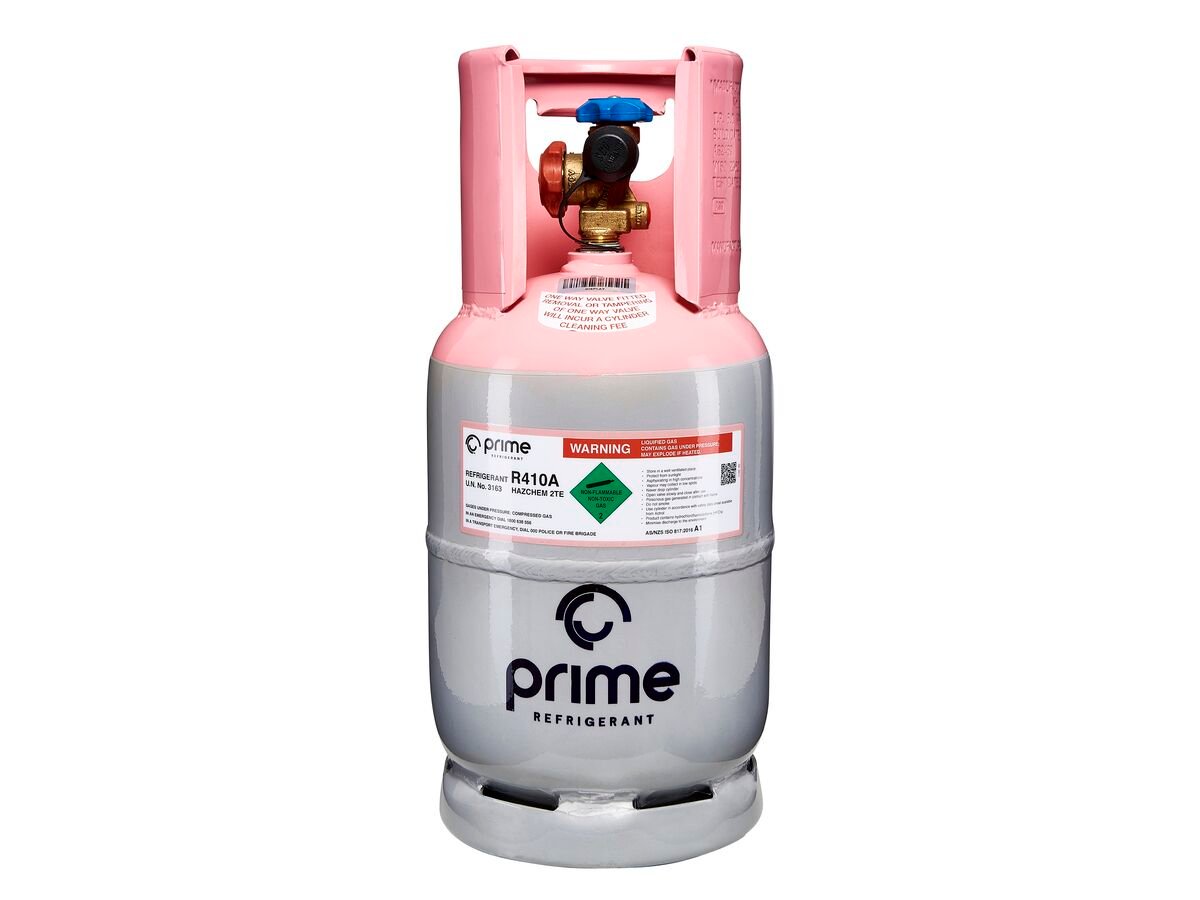
Key Features:
-
No flame propagation
-
Low toxicity (OEL ≥ 400 ppm)
-
No special safety requirements
Common Refrigerants:
R-410A, R-134a, R-404A, R-22, R-407C
- Best For: Residential, commercial, and industrial HVAC systems
A2L – Mildly Flammable Refrigerants
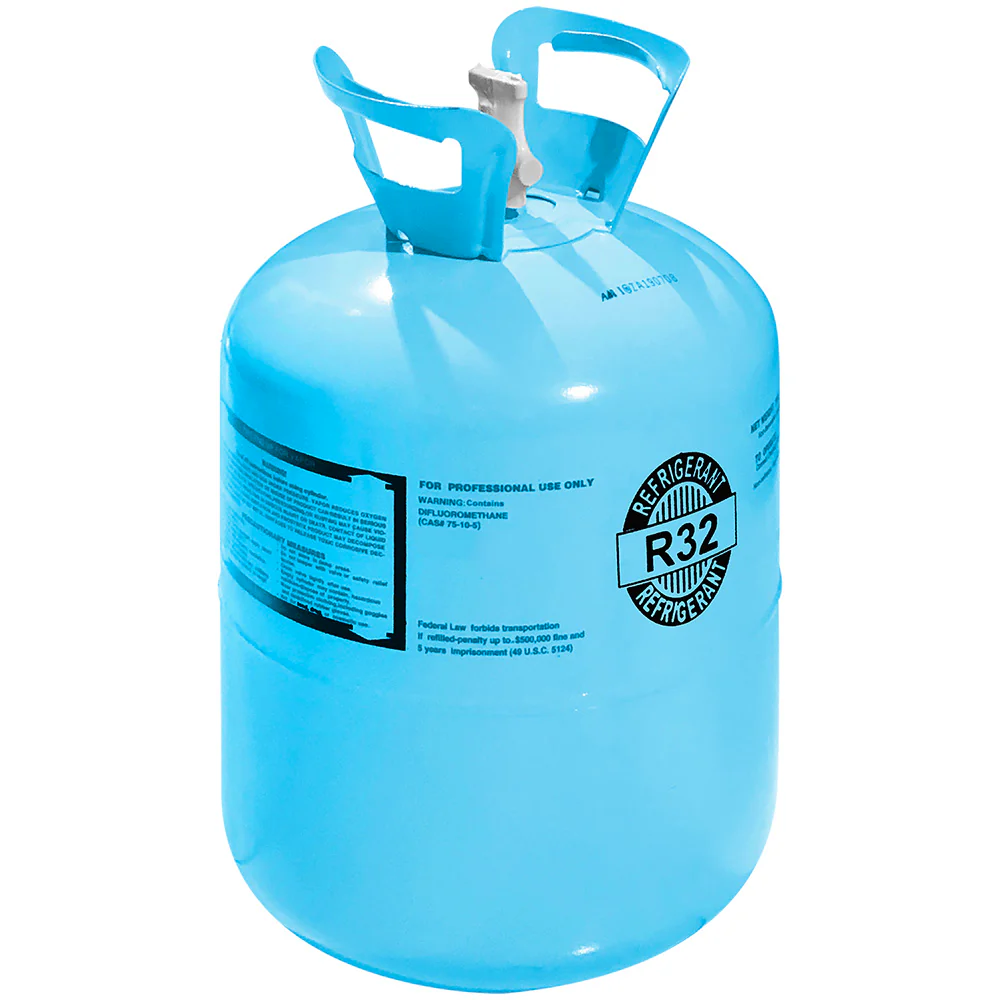
Key Features:
-
Mild flammability (slow burning)
-
Difficult to ignite
-
Low toxicity
Common Refrigerants:
R-32, R-454B, R-1234yf
Safety Requirements:
-
Leak detection (large systems)
-
Proper ventilation
-
No open flames
Best For: Modern AC systems & low-GWP solutions
A3 – Highly Flammable Refrigerants
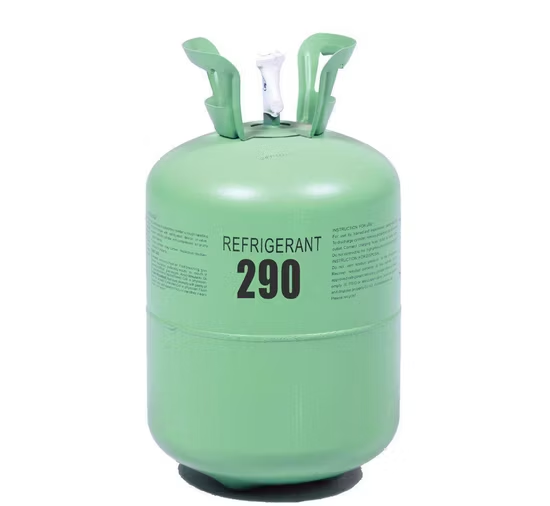
Key Features:
-
Highly flammable
-
Excellent efficiency
-
Natural refrigerants
Common Refrigerants:
R-290 (Propane), R-600a
Safety Requirements:
-
Strict charge limits
-
Explosion-proof equipment
-
Specialized training
Best For: Industrial systems & eco-friendly applications
B1 – Toxic, Non-Flammable
Key Features:
-
Higher toxicity
-
No flammability
-
Being phased out
Common Refrigerant:
R-123
Used In: Large chillers (limited use now)
B2L – Toxic & Mildly Flammable
Key Features:
-
Most restrictive class
-
Requires maximum safety precautions
Used In: Specialized industrial systems only
Safety Protocols by Classification
| Class | Leak Detection | Ventilation | Equipment |
|---|---|---|---|
| A1 | Not required | Standard | Normal tools |
| A2L | Required (large systems) | Enhanced | Spark-free |
| A3 | Mandatory | Special | Explosion-proof |
| B1 | Mandatory | Emergency | Monitoring |
| B2L | Mandatory | Advanced | Explosion-proof |
Technician Safety Guidelines
A1 Refrigerants
-
Standard procedures
-
Normal PPE
A2L Refrigerants
-
No open flames
-
Use spark-free tools
A3 Refrigerants
-
Explosion-proof equipment
-
Full safety protocol
Real-World Applications
-
Residential HVAC → A1, A2L
-
Commercial Buildings → A1, A2L
-
Automotive AC → A2L (R-1234yf)
-
Refrigeration → A1, A3
-
Industrial → All classes
Future Trends in Refrigerants
-
A1 refrigerants → phasing down (high GWP)
-
A2L → fastest growing segment
-
A3 → eco-friendly but safety critical
New Technologies:
-
Smart leak detection (IoT)
-
AI-based safety monitoring
-
Advanced ventilation systems
Conclusion
Understanding refrigerant safety classifications is essential for:
-
HVAC Technicians → Safe installation & servicing
-
Designers → Proper system selection
-
Building Owners → Compliance & safety
As the HVAC industry shifts toward low-GWP refrigerants, mastering A1, A2L, and A3 classifications is more important than ever.
Frequently Asked Questions (FAQ)
What are refrigerant safety classifications?
Refrigerant safety classifications are defined by ASHRAE Standard 34 and categorize refrigerants based on toxicity and flammability. These classifications help ensure safe handling, system design, and regulatory compliance in HVAC applications.
What does A1 refrigerant mean?
A1 refrigerants are the safest type, with low toxicity and no flammability. They are widely used in residential and commercial HVAC systems because they require minimal safety restrictions.
What is the difference between A2L and A3 refrigerants?
A2L refrigerants are mildly flammable and difficult to ignite, while A3 refrigerants are highly flammable and require strict safety precautions, including charge limits and explosion-proof equipment.
Why are A2L refrigerants becoming popular?
A2L refrigerants have low global warming potential (GWP) and are environmentally friendly alternatives to A1 refrigerants. They are increasingly used in modern air conditioners and heat pumps.
Are A3 refrigerants safe to use?
Yes, A3 refrigerants are safe when used correctly, but they require strict safety measures such as proper ventilation, leak detection, and trained technicians due to their high flammability.
What does B1 refrigerant classification indicate?
B1 refrigerants have higher toxicity but no flammability. They are mainly used in specialized applications like chillers and are being phased out due to environmental concerns.
Do A2L refrigerants require special tools?
Yes, A2L refrigerants require spark-free tools, proper ventilation, and leak detection systems, especially in larger installations.
Which refrigerant class is best for residential AC?
A1 and A2L refrigerants are best for residential air conditioning systems. A2L is becoming more common due to its lower environmental impact.