
Types of HVAC Insulation Materials
HVAC insulation is a crucial part of heating, ventilation, and air conditioning systems. It helps maintain temperature control, improve energy efficiency, and reduce heat loss or gain in ducts and pipes.
Without proper insulation, HVAC systems can lose significant amounts of heating or cooling energy during air or fluid transportation through ducts and pipes.
HVAC insulation materials are designed to provide thermal resistance, moisture protection, and sound control in heating and cooling systems.
These materials are commonly used for:
-
HVAC ducts
-
Chilled water pipes
-
Refrigerant pipes
-
Steam pipes
-
Air handling units
In this guide, we will explore the most common types of HVAC insulation materials, their properties, advantages, and applications.
Why HVAC Insulation Is Important
HVAC insulation plays a critical role in improving system efficiency and comfort.
Energy Efficiency
Insulation reduces heat loss in heating systems and prevents heat gain in cooling systems.
Temperature Control
Maintains consistent temperatures in air ducts and pipes.
Condensation Prevention
Prevents moisture buildup on cold surfaces.
Noise Reduction
Reduces noise generated by HVAC equipment and airflow.
Equipment Protection
Protects ducts and pipes from temperature fluctuations and corrosion.
Common HVAC Insulation Materials
Several insulation materials are used in HVAC systems depending on temperature requirements and application.
Fiberglass Insulation
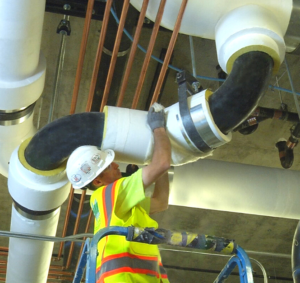
Fiberglass insulation is one of the most widely used materials for HVAC ducts and piping systems.
It is made from fine glass fibers that trap air and reduce heat transfer.
Key Properties
-
Lightweight material
-
Good thermal insulation
-
Non-combustible
Advantages
- Cost-effective insulation material
- Easy to install
- Good sound absorption
Applications
Fiberglass insulation is commonly used for:
-
HVAC duct insulation
-
Pipe insulation
-
Air handling units
Mineral Wool (Rock Wool) Insulation
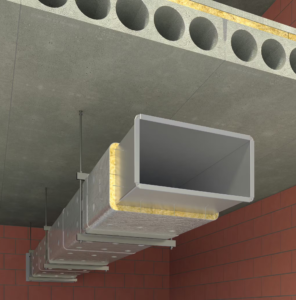
Mineral wool insulation is made from natural rock or slag that is melted and spun into fibers.
It offers excellent thermal and acoustic insulation.
Key Properties
-
High temperature resistance
-
Fire-resistant material
-
Excellent sound absorption
Advantages
- Withstands temperatures up to 650°C
- Durable insulation material
- Resistant to fire
Applications
Mineral wool is commonly used in:
-
Industrial HVAC systems
-
High-temperature pipes
-
Mechanical equipment insulation
Elastomeric Foam Insulation

Elastomeric foam insulation is a flexible, closed-cell insulation material widely used for chilled water and refrigeration pipes.
It is commonly made from synthetic rubber.
Key Properties
-
Closed-cell structure
-
Excellent moisture resistance
-
Flexible material
Advantages
- Prevents condensation
- Easy to install on pipes
- Durable insulation material
Applications
Elastomeric foam insulation is widely used in:
-
Refrigerant piping
-
Chilled water systems
-
Air conditioning pipes
Polyurethane Foam Insulation
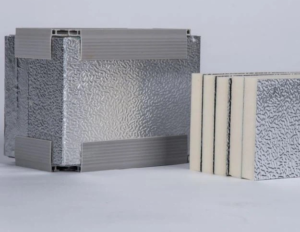
Key Properties
-
Low thermal conductivity
-
Lightweight insulation material
-
High insulation efficiency
Advantages
- Excellent energy efficiency
- Durable insulation material
- Moisture resistant
Applications
Polyurethane foam is commonly used in:
-
HVAC duct panels
-
Insulated piping systems
-
Cold storage facilities
Calcium Silicate Insulation

Calcium silicate insulation is widely used for high-temperature HVAC systems.
It is made from calcium silicate compounds reinforced with fibers.
Key Properties
-
High temperature resistance
-
Low thermal conductivity
-
Strong mechanical strength
Advantages
- Withstands temperatures up to 1000°C
- Resistant to corrosion
- Long service life
Applications
Calcium silicate insulation is used for:
-
Steam pipes
-
Industrial boilers
-
High-temperature HVAC systems
Thermal Conductivity of HVAC Insulation Materials
Thermal conductivity measures how effectively a material prevents heat transfer.
Lower values indicate better insulation performance.
| Material | Thermal Conductivity |
|---|---|
| Fiberglass | 0.030–0.040 W/mK |
| Mineral Wool | 0.035–0.045 W/mK |
| Elastomeric Foam | 0.033–0.040 W/mK |
| Polyurethane Foam | 0.020–0.025 W/mK |
| Calcium Silicate | 0.050–0.060 W/mK |
Polyurethane foam provides some of the best insulation performance.
HVAC Insulation Applications
HVAC insulation materials are used in various parts of heating and cooling systems.
Duct Insulation
Insulation prevents heat loss in heating ducts and heat gain in cooling ducts.
Pipe Insulation
Chilled water and refrigerant pipes require insulation to prevent condensation.
Equipment Insulation
Boilers and air handling units require insulation to improve efficiency.
Factors to Consider When Choosing HVAC Insulation
Selecting the right insulation material depends on several factors.
Temperature Range
Different materials are suitable for different temperatures.
Moisture Resistance
Closed-cell insulation materials are ideal for cold pipes.
Fire Resistance
Some applications require fire-resistant insulation materials.
Cost
Budget considerations may influence material selection.
HVAC Insulation Installation Process
Proper installation ensures maximum insulation performance.
Surface Preparation
Clean the duct or pipe surface before installing insulation.
Insulation Placement
Install insulation material around ducts or pipes.
Sealing
Seal joints and gaps to prevent air leakage.
Protective Cladding
Apply protective coverings if necessary.
Benefits of HVAC Insulation
HVAC insulation provides several advantages.
Reduced Energy Consumption
Insulation prevents heat loss and improves system efficiency.
Improved Comfort
Maintains stable indoor temperatures.
Condensation Prevention
Reduces moisture buildup on pipes.
Noise Reduction
Improves acoustic comfort.
Maintenance of HVAC Insulation
Regular maintenance ensures long-lasting insulation performance.
Maintenance tasks include:
- Inspect insulation for damage
- Repair damaged insulation sections
- Replace degraded insulation materials
- Check moisture protection
Proper maintenance improves insulation lifespan.
Frequently Asked Questions
What are the most common HVAC insulation materials?
The most common HVAC insulation materials include fiberglass, mineral wool, elastomeric foam, polyurethane foam, and calcium silicate.
Which insulation material is best for chilled water pipes?
Elastomeric foam insulation is widely use for chilled water pipes because it prevents condensation.
What insulation is used for high-temperature pipes?
Calcium silicate and mineral wool insulation are commonly use for high-temperature HVAC pipes.
Why is duct insulation important?
Duct insulation reduces heat loss and improves HVAC system efficiency.
What is the best insulation material for HVAC ducts?
Fiberglass and polyurethane foam are commonly use for HVAC duct insulation.
Conclusion
HVAC insulation materials play a vital role in maintaining the efficiency and reliability of heating and cooling systems. Materials such as fiberglass, mineral wool, elastomeric foam, polyurethane foam, and calcium silicate provide effective thermal resistance and help reduce energy loss in HVAC systems.
Selecting the appropriate insulation material depends on factors such as temperature range, moisture resistance, fire safety requirements, and installation conditions.
Proper insulation not only improves energy efficiency but also enhances system performance, reduces operating costs, and extends equipment lifespan.
With proper installation and maintenance, HVAC insulation materials can significantly improve the overall efficiency and reliability of heating and cooling systems.