
Hot Insulation vs Cold Insulation
Hot Insulation vs Cold Insulation
Insulation plays a vital role in heating, ventilation, and air conditioning systems. It helps maintain the desired temperature in pipes, ducts, and equipment by minimizing heat transfer between the system and the surrounding environment.
Two main types of insulation are used in HVAC and industrial piping systems:
-
Hot insulation
-
Cold insulation
Understanding the differences between hot insulation vs cold insulation is important for HVAC engineers, technicians, and building designers.
Both insulation types serve different purposes and are used in various heating and cooling systems.
This comprehensive guide explains everything you need to know about hot and cold insulation, including materials, applications, benefits, and installation techniques.
What is Hot Insulation?

Hot insulation refers to insulation used for high-temperature pipes, equipment, and systems to prevent heat loss.
It is commonly used in industrial heating systems and steam pipelines.
Hot insulation materials are designed to withstand high temperatures while maintaining low thermal conductivity.
Temperature Range
Hot insulation is typically used for temperatures above 60°C.
Key Functions of Hot Insulation
-
Prevent heat loss
-
Maintain process temperature
-
Improve energy efficiency
-
Protect workers from hot surfaces
What is Cold Insulation?
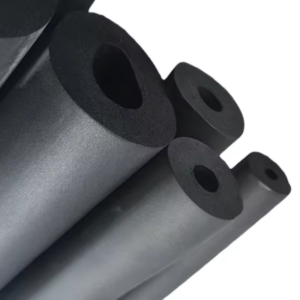
Cold insulation is used to prevent heat gain in low-temperature pipes and systems.
It is widely used in refrigeration systems and chilled water piping.
Cold insulation materials are designed to prevent condensation and maintain cold temperatures.
Temperature Range
Cold insulation is used for temperatures below ambient temperature.
Key Functions of Cold Insulation
-
Prevent heat gain
-
Prevent condensation
-
Maintain cooling efficiency
-
Protect pipes from corrosion
Hot Insulation vs Cold Insulation – Key Differences
| Feature | Hot Insulation | Cold Insulation |
|---|---|---|
| Purpose | Prevent heat loss | Prevent heat gain |
| Temperature Range | Above 60°C | Below ambient temperature |
| Main Application | Steam pipes, boilers | Chilled water pipes |
| Condensation Control | Not primary concern | Very important |
| Common Materials | Mineral wool, calcium silicate | Elastomeric foam, polyurethane |
Both insulation types serve critical roles in HVAC and industrial systems.
Materials Used for Hot Insulation
Several insulation materials are used for hot insulation.
Mineral Wool Insulation

Mineral wool is one of the most commonly used materials for hot insulation.
It is made from molten rock fibers and provides excellent thermal resistance.
Properties
-
High temperature resistance
-
Fire-resistant material
-
Good acoustic insulation
Applications
-
Steam pipes
-
Industrial furnaces
-
High-temperature ducts
Calcium Silicate Insulation
Calcium silicate insulation is widely used in high-temperature industrial applications.
Properties
-
High compressive strength
-
Low thermal conductivity
-
Temperature resistance up to 1000°C
Applications
-
Power plants
-
Refineries
-
Industrial boilers
Materials Used for Cold Insulation
Cold insulation requires materials with low thermal conductivity and moisture resistance.
Elastomeric Foam Insulation

Elastomeric foam insulation is widely used for refrigeration and chilled water systems.
Properties
-
Closed-cell structure
-
Excellent moisture resistance
-
Flexible material
Applications
-
Chilled water pipes
-
Refrigerant pipes
-
Air conditioning systems
Polyurethane Foam Insulation

Polyurethane foam provides excellent insulation for cold applications.
Properties
-
Very low thermal conductivity
-
Lightweight insulation material
-
Moisture resistant
Applications
-
Cold storage systems
-
Refrigeration plants
-
HVAC duct panels
Thermal Conductivity Comparison
Thermal conductivity determines how effectively insulation materials reduce heat transfer.
| Material | Thermal Conductivity |
|---|---|
| Mineral Wool | 0.035–0.045 W/mK |
| Calcium Silicate | 0.050–0.060 W/mK |
| Elastomeric Foam | 0.033–0.040 W/mK |
| Polyurethane Foam | 0.020–0.025 W/mK |
Lower thermal conductivity indicates better insulation performance.
Applications of Hot Insulation
Hot insulation is used in many industrial systems.
Steam Pipelines
Steam pipes require insulation to reduce heat loss.
Boilers
Boilers operate at high temperatures and require insulation.
Industrial Furnaces
Insulation helps maintain furnace temperature.
Hot Water Systems
Hot water pipes are insulating to prevent heat loss.
Applications of Cold Insulation
Cold insulation is use in cooling systems.
Chilled Water Pipes
Cold insulation prevents condensation.
Refrigeration Systems
Maintains low temperatures in refrigeration pipelines.
HVAC Duct Systems
Prevents heat gain in cooling ducts.
Cold Storage Facilities
Maintains low temperatures for food preservation.
Installation Process for HVAC Insulation
Proper installation ensures maximum insulation efficiency.
Surface Preparation
Clean the pipe or duct surface.
Insulation Placement
Install insulation material around the pipe.
Sealing
Seal joints to prevent heat transfer.
Cladding
Apply protective cladding if necessary.
Benefits of Hot Insulation
Hot insulation provides several advantages.
Energy Efficiency
Reduces heat loss in heating systems.
Safety
Prevents burns from hot pipes.
Process Stability
Maintains consistent temperatures.
Equipment Protection
Prevents thermal damage.
Benefits of Cold Insulation
Cold insulation also provides important benefits.
Condensation Prevention
Reduces moisture buildup on pipes.
Energy Efficiency
Prevents heat gain in cooling systems.
Corrosion Prevention
Moisture control protects pipes.
Improved Cooling Performance
Maintains cold temperatures.
Maintenance of HVAC Insulation
Regular maintenance ensures insulation performance.
Maintenance tasks include:
- Inspect insulation regularly
- Repair damaged insulation
- Replace degraded materials
- Check moisture protection
Proper maintenance extends insulation lifespan.
Frequently Asked Questions
What is the difference between hot insulation and cold insulation?
Hot insulation prevents heat loss in high-temperature systems, while cold insulation prevents heat gain and condensation in low-temperature systems.
Which materials are use for hot insulation?
Mineral wool and calcium silicate are commonly use for hot insulation.
Which materials are use for cold insulation?
Elastomeric foam and polyurethane foam are widely use for cold insulation.
Why is cold insulation important in HVAC systems?
Cold insulation prevents condensation and maintains cooling efficiency.
What temperature range requires hot insulation?
Hot insulation is typically use for systems operating above 60°C.
Conclusion
Both hot insulation and cold insulation play important roles in HVAC and industrial systems. Hot insulation is designing to reduce heat loss in high-temperature systems such as steam pipes and boilers, while cold insulation prevents heat gain and condensation in refrigeration and chilled water systems.
Selecting the correct insulation material depends on the temperature range, system application, and environmental conditions.
Proper insulation improves energy efficiency, enhances system performance, protects equipment, and reduces operating costs.
With proper installation and maintenance, HVAC insulation systems can significantly improve the overall efficiency and reliability of heating and cooling systems.