
Cold Insulation for Chilled Water Pipes
Cold Insulation for Chilled Water Pipes
Cold insulation is a critical component of HVAC systems that use chilled water for cooling applications. Chilled water pipes transport cold water from chillers to air handling units, fan coil units, and other cooling equipment.
Since chilled water pipes operate at temperatures below ambient conditions, they are highly susceptible to condensation and heat gain if not properly insulated.
Cold insulation for chilled water pipes helps prevent these issues by reducing heat transfer between the pipe and surrounding environment.
Proper insulation ensures efficient HVAC operation while protecting piping systems from moisture damage.
In this guide, we will explore everything you need to know about cold insulation for chilled water pipes, including materials, benefits, installation methods, and maintenance.
Why Cold Insulation Is Important for Chilled Water Pipes
Chilled water systems operate at low temperatures, typically between 4°C and 12°C. When pipes carrying cold water are exposed to warmer ambient air, condensation can form on the pipe surface.
Cold insulation helps prevent this problem.
Condensation Prevention
Insulation prevents moisture from forming on pipe surfaces.
Energy Efficiency
Reduces heat gain into chilled water systems.
Corrosion Protection
Moisture buildup can cause corrosion in metal pipes.
Temperature Stability
Maintains consistent chilled water temperature throughout the system.
Improved HVAC Performance
Efficient insulation improves cooling system performance.
Temperature Range of Chilled Water Systems
Typical chilled water temperatures in HVAC systems include:
| System Type | Temperature |
|---|---|
| Supply Water Temperature | 4°C – 7°C |
| Return Water Temperature | 10°C – 14°C |
Because these temperatures are below ambient conditions, insulation is essential to prevent condensation.
Common Cold Insulation Materials for Chilled Water Pipes
Several insulation materials are used for chilled water pipe systems.
Elastomeric Foam Insulation

Elastomeric foam insulation is one of the most commonly used materials for chilled water piping.
It is a flexible insulation material made from synthetic rubber.
Key Properties
-
Closed-cell structure
-
Excellent moisture resistance
-
Flexible and lightweight
Advantages
- Prevents condensation
- Easy to install
- Durable insulation material
Applications
-
Chilled water pipes
-
Refrigerant pipes
-
HVAC systems
Polyurethane Foam Insulation

Polyurethane foam insulation provides excellent thermal resistance and is commonly used in chilled water systems.
Key Properties
-
Low thermal conductivity
-
Lightweight insulation material
-
High energy efficiency
Advantages
- Excellent insulation performance
- Moisture resistant
- Durable material
Applications
-
HVAC piping systems
-
Cold storage facilities
-
Insulated duct panels
Fiberglass Insulation
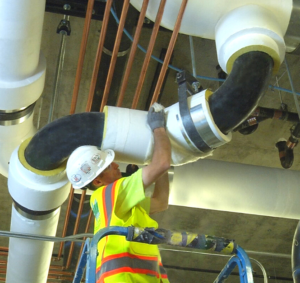
Fiberglass insulation is widely used in HVAC duct systems and chilled water piping.
It consists of fine glass fibers that trap air and reduce heat transfer.
Key Properties
-
Lightweight insulation
-
Good thermal resistance
-
Non-combustible
Advantages
- Cost-effective insulation solution
- Good sound absorption
- Easy installation
Applications
-
HVAC ducts
-
Chilled water piping
-
Mechanical equipment
Thermal Conductivity of Cold Insulation Materials
Thermal conductivity measures how effectively insulation prevents heat transfer.
Lower values indicate better insulation performance.
| Material | Thermal Conductivity |
|---|---|
| Elastomeric Foam | 0.033–0.040 W/mK |
| Polyurethane Foam | 0.020–0.025 W/mK |
| Fiberglass | 0.030–0.040 W/mK |
Polyurethane foam typically provides the best insulation performance.
Chilled Water Pipe Insulation Thickness
The thickness of insulation depends on several factors.
These include:
-
Pipe diameter
-
Ambient temperature
-
Relative humidity
-
Desired energy efficiency
Typical insulation thickness ranges from 19 mm to 50 mm for chilled water pipes.
Installation Process for Chilled Water Pipe Insulation
Proper installation ensures maximum insulation performance.
Step 1: Surface Preparation
Clean the pipe surface before installing insulation.
Step 2: Insulation Application
Place insulation material around the pipe.
Step 3: Joint Sealing
Seal joints and gaps to prevent moisture penetration.
Step 4: Protective Covering
Apply protective coverings such as aluminum cladding if required.
Importance of Vapor Barrier
Cold insulation systems require vapor barriers to prevent moisture penetration.
A vapor barrier protects insulation from water vapor that could cause condensation inside the insulation layer.
Common vapor barrier materials include:
-
Aluminum foil
-
PVC jackets
-
Specialized vapor barrier coatings
Benefits of Proper Cold Insulation
Cold insulation provides several advantages.
Reduced Energy Consumption
Insulation prevents heat gain and improves system efficiency.
Condensation Prevention
Reduces moisture buildup on pipe surfaces.
Improved Cooling Efficiency
Maintains chilled water temperature.
Equipment Protection
Protects pipes from corrosion and damage.
Problems Caused by Poor Insulation
Improper insulation can cause several issues.
Condensation and Water Dripping
Moisture forms on pipe surfaces.
Energy Loss
Cooling systems consume more energy.
Mold Growth
Moist environments encourage mold formation.
Pipe Corrosion
Moisture can damage metal pipes.
Applications of Chilled Water Pipe Insulation
Cold insulation is used in many HVAC systems.
Common applications include:
-
Commercial buildings
-
Hospitals
-
Data centers
-
Hotels
-
Industrial facilities
These buildings rely on chilled water systems for cooling.
Maintenance of Chilled Water Pipe Insulation
Regular maintenance ensures insulation effectiveness.
Maintenance tasks include:
- Inspect insulation regularly
- Repair damaged sections
- Check vapor barriers
- Replace degraded insulation
Proper maintenance extends insulation lifespan.
Frequently Asked Questions
What insulation is used for chilled water pipes?
Common insulation materials include elastomeric foam, polyurethane foam, and fiberglass.
Why is cold insulation important?
Cold insulation prevents condensation and heat gain in chilled water systems.
What temperature do chilled water pipes operate at?
Chilled water pipes typically operate between 4°C and 12°C.
What is the best insulation for chilled water pipes?
Elastomeric foam insulation is widely used because it prevents condensation.
How thick should chilled water pipe insulation be?
Typical insulation thickness ranges from 19 mm to 50 mm depending on pipe size and operating conditions.
Conclusion
Cold insulation is essential for maintaining the efficiency and reliability of chilled water systems in HVAC applications. Materials such as elastomeric foam, polyurethane foam, and fiberglass insulation provide excellent thermal resistance and prevent condensation on chilled water pipes.
Proper insulation helps reduce energy consumption, improve cooling efficiency, and protect piping systems from corrosion and moisture damage.
Selecting the right insulation material and installing it correctly ensures long-lasting performance and improved HVAC system efficiency.
With proper maintenance and regular inspection, chilled water pipe insulation can significantly extend the lifespan and reliability of cooling systems.