HVAC Contractor for Data Centers
HVAC Contractor for Data Centers
Data centers are the backbone of the digital economy. They store and process enormous amounts of data used by businesses, governments, and online platforms. However, data center equipment such as servers, storage devices, and networking hardware generate significant amounts of heat.
Without proper cooling systems, data center equipment can overheat, leading to hardware failures, system downtime, and expensive operational disruptions.
An experienced HVAC contractor for data centers is responsible for designing and installing specialized cooling systems that maintain stable environmental conditions inside server facilities.
Data center HVAC systems must control:
-
Temperature
-
Humidity
-
Airflow
-
Air pressure
-
Energy efficiency
Unlike standard commercial HVAC systems, data center cooling solutions require high precision, redundancy, and continuous operation.
This guide explains the role of HVAC contractors in data center infrastructure, the cooling technologies used in server facilities, and how proper HVAC design ensures reliable data center operations.
Why Data Center Cooling is Critical
Servers generate significant heat while processing data.
If temperatures rise above recommended levels, several problems can occur.
Equipment Failure
Overheating can damage CPUs, memory modules, and storage devices.
Reduced System Performance
High temperatures cause servers to throttle performance.
Shortened Hardware Lifespan
Excess heat accelerates hardware degradation.
Increased Downtime Risk
Cooling failures may lead to data center outages.
For these reasons, data centers rely on advanced HVAC systems to maintain controlled environments.
Role of HVAC Contractors in Data Center Projects
HVAC contractors play a crucial role in designing and maintaining data center cooling infrastructure.
Cooling System Design
Contractors collaborate with engineers to design cooling systems capable of handling high heat loads.
Design considerations include:
-
Server density
-
Rack layout
-
Heat load calculations
-
Redundancy requirements
HVAC Equipment Installation
Data center HVAC contractors install specialized equipment such as:
-
CRAC units
-
Chiller systems
-
Air handling units
-
Cooling towers
Airflow Management
Proper airflow ensures efficient heat removal.
Maintenance and Monitoring
Continuous monitoring ensures reliable operation.
Data Center Environmental Requirements
Data centers must maintain precise environmental conditions.
Typical operating ranges include:
Temperature
Recommended temperature range:
18°C – 27°C
Humidity
Relative humidity should remain between:
40% – 60%
Airflow
Proper airflow removes heat from server racks.
Maintaining these conditions protects IT equipment.
Types of Cooling Systems Used in Data Centers
Data centers use several cooling technologies.
CRAC Units (Computer Room Air Conditioners)
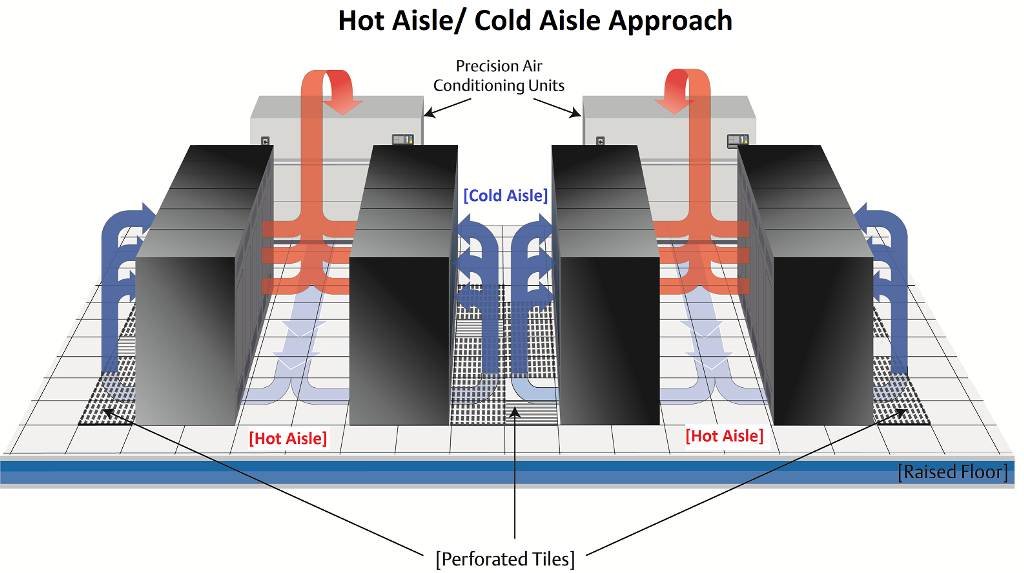
These systems provide precise temperature and humidity control.
Key Features
-
Precision cooling
-
Humidity control
-
Continuous operation
CRAC units are widely used in small to medium-sized data centers.
Chilled Water Cooling Systems
Chillers produce chilled water, which circulates through cooling units to remove heat from server rooms.
Components
-
Chillers
-
Pumps
-
Cooling towers
-
Air handling units
Chilled water systems are highly efficient for large facilities.
In-Row Cooling Systems
These systems remove heat directly from hot air sources.
Advantages
-
Improved cooling efficiency
-
Reduced airflow distance
-
Better temperature control
In-row cooling is common in high-density server environments.
Liquid Cooling Systems
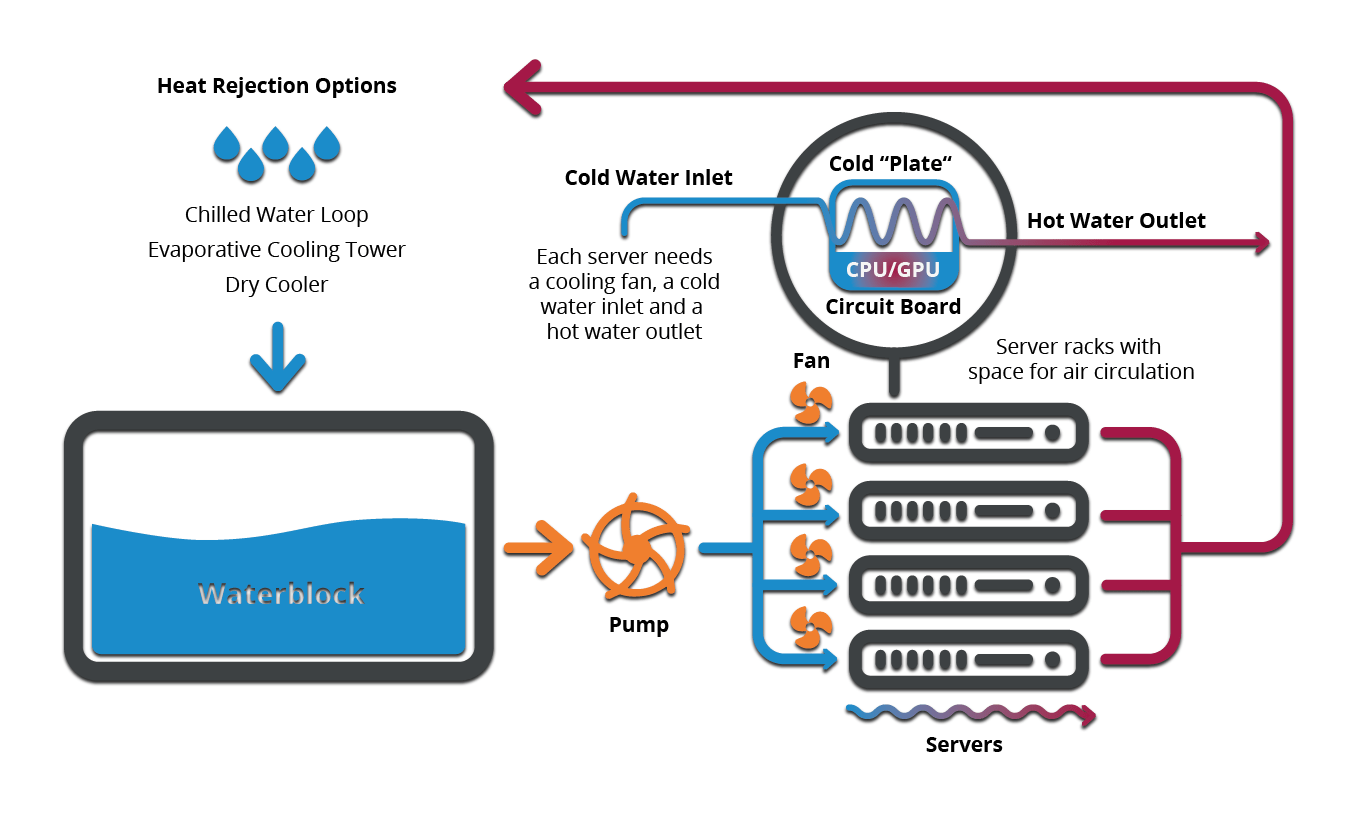
Liquid cooling systems remove heat more efficiently than air-based cooling.
Types include:
-
Direct-to-chip cooling
-
Immersion cooling
Liquid cooling is becoming popular in high-performance computing environments.
Data Center Airflow Management
Airflow management is essential for efficient cooling.
Common strategies include:
Hot Aisle / Cold Aisle Layout
Server racks are arranged so that hot and cold air are separated.
Containment Systems
Containment systems prevent mixing of hot and cold air.
Raised Floor Air Distribution
Air is supplied through raised floor systems.
Proper airflow management improves cooling efficiency.
Redundancy in Data Center HVAC Systems
Data centers require redundant cooling systems to prevent downtime.
Redundancy levels include:
N+1 Redundancy
One additional backup cooling unit.
2N Redundancy
Complete backup cooling infrastructure.
Redundant systems ensure continuous operation.
Energy Efficiency in Data Center Cooling
Cooling systems account for a large portion of data center energy consumption.
Efficiency strategies include:
-
Free cooling using outdoor air
-
Variable speed fans
-
High-efficiency chillers
-
AI-based cooling optimization
Energy-efficient cooling reduces operating costs.
Monitoring and Control Systems
Modern data centers use advanced monitoring systems.
Features include:
-
Temperature sensors
-
Humidity sensors
-
Airflow monitoring
-
Building management systems
These tools allow operators to detect cooling issues early.
Maintenance of Data Center HVAC Systems
Preventive maintenance ensures reliable cooling.
Maintenance tasks include:
- Cleaning air filters
- Inspecting cooling coils
- Checking refrigerant levels
- Inspecting fans and pumps
- Testing backup cooling systems
Regular maintenance reduces downtime risk.
Challenges in Data Center HVAC Systems
Data center cooling systems face several challenges.
Increasing Server Density
Higher rack density increases heat loads.
Continuous Operation
Cooling systems must run 24/7.
Energy Consumption
Cooling infrastructure consumes large amounts of electricity.
Equipment Reliability
Cooling failures can cause costly outages.
Experienced HVAC contractors help address these challenges.
How to Choose the Best HVAC Contractor for Data Centers
Selecting the right HVAC contractor is critical.
Important factors include:
Experience with Data Centers
Contractors must understand server cooling requirements.
Technical Expertise
Contractors should have experience with advanced cooling technologies.
Reliability
Data centers require contractors who provide rapid support.
Energy Efficiency Knowledge
Contractors should implement energy-efficient cooling solutions.
Benefits of Hiring Professional Data Center HVAC Contractors
Working with experienced contractors provides several advantages.
Reliable Cooling Infrastructure
Ensures stable server operation.
Improved Energy Efficiency
Reduces power consumption.
Reduced Downtime Risk
Prevents overheating failures.
Scalable Cooling Systems
Supports future data center expansion.
Frequently Asked Questions
Why do data centers require special HVAC systems?
Data centers generate large amounts of heat and require precise temperature and humidity control.
What is a CRAC unit?
A CRAC unit is a precision air conditioning system designed specifically for cooling data centers.
What temperature should data centers maintain?
Typical recommended temperature range is 18°C to 27°C.
What is hot aisle and cold aisle containment?
It is a server rack arrangement that separates hot and cold airflow to improve cooling efficiency.
How often should data center HVAC systems be maintained?
Cooling systems should be inspected regularly, typically every 3–6 months.
Conclusion
Data center cooling systems are essential for maintaining reliable IT infrastructure. An experienced HVAC contractor for data centers ensures that cooling systems are designed, installed, and maintained to handle high heat loads and continuous operation.
Data centers rely on advanced cooling technologies such as CRAC units, chilled water systems, in-row cooling, and liquid cooling to maintain stable environmental conditions.
By implementing efficient airflow management, redundancy systems, and energy-efficient cooling strategies, HVAC contractors help data centers achieve reliable performance and lower operating costs.