Samsung DVM vs LG Multi V
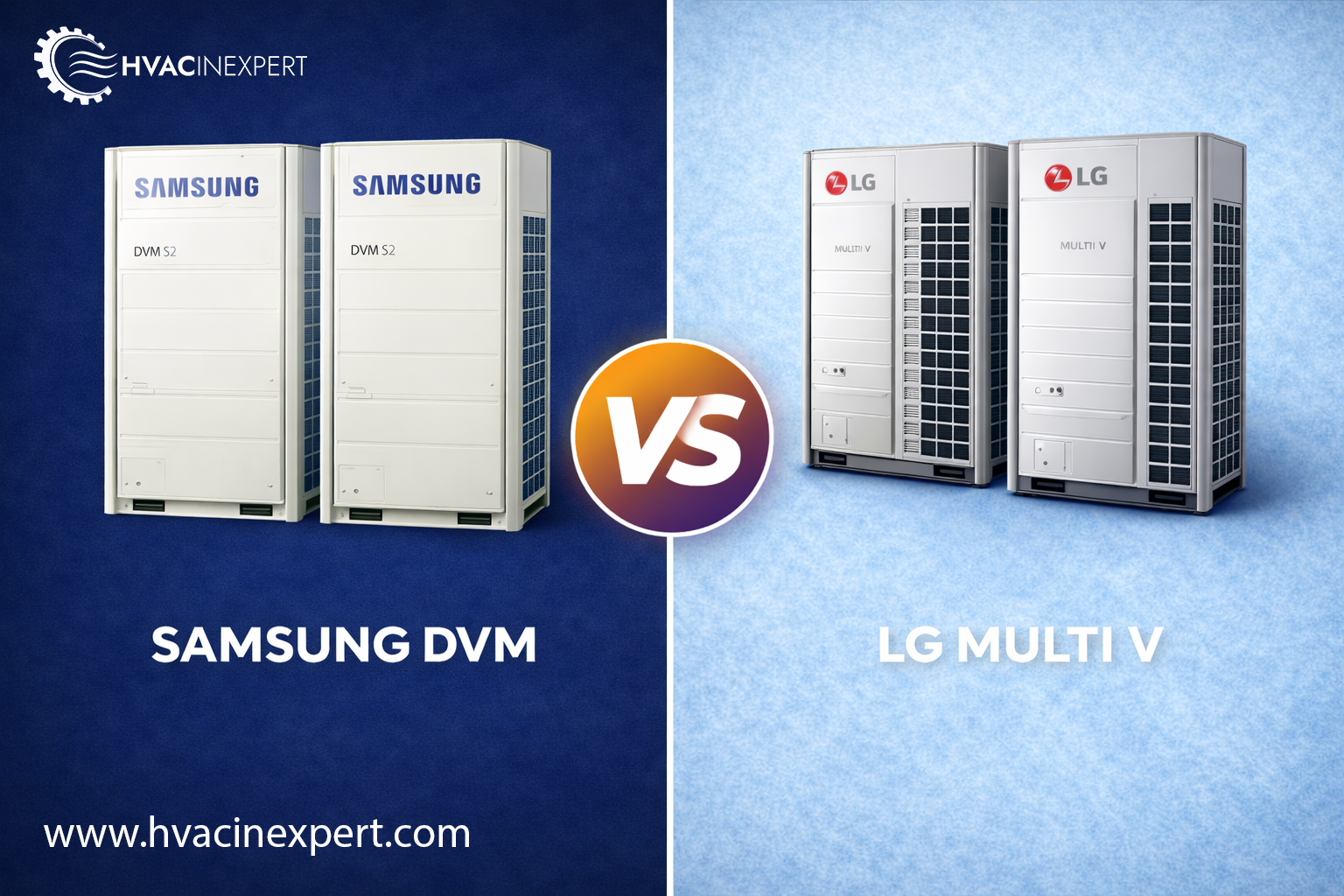
Samsung DVM vs LG Multi V
Variable Refrigerant Flow (VRF) systems are widely used in modern commercial buildings due to their high energy efficiency, flexible installation, and precise temperature control. Among the leading VRF technologies available in the global HVAC market are Samsung DVM and LG Multi V systems.
Both systems offer advanced inverter technology and intelligent control systems designed for commercial buildings such as offices, hotels, shopping malls, and hospitals.
Choosing between Samsung DVM vs LG Multi V requires understanding several important factors including:
-
System capacity
-
Energy efficiency
-
Compressor technology
-
Installation flexibility
-
Maintenance requirements
-
Smart controls
This guide provides a detailed comparison of these two advanced VRF systems to help HVAC professionals, contractors, and building owners make informed decisions.
What is a VRF System?
VRF stands for Variable Refrigerant Flow, an advanced air conditioning technology that adjusts the amount of refrigerant flowing to indoor units based on cooling demand.
VRF systems provide several advantages compared to traditional HVAC systems.
Key Benefits of VRF Systems
-
High energy efficiency
-
Individual zone temperature control
-
Quiet operation
-
Flexible installation
-
Reduced ductwork requirements
VRF systems are widely used in commercial and large residential buildings.
Overview of Samsung DVM System
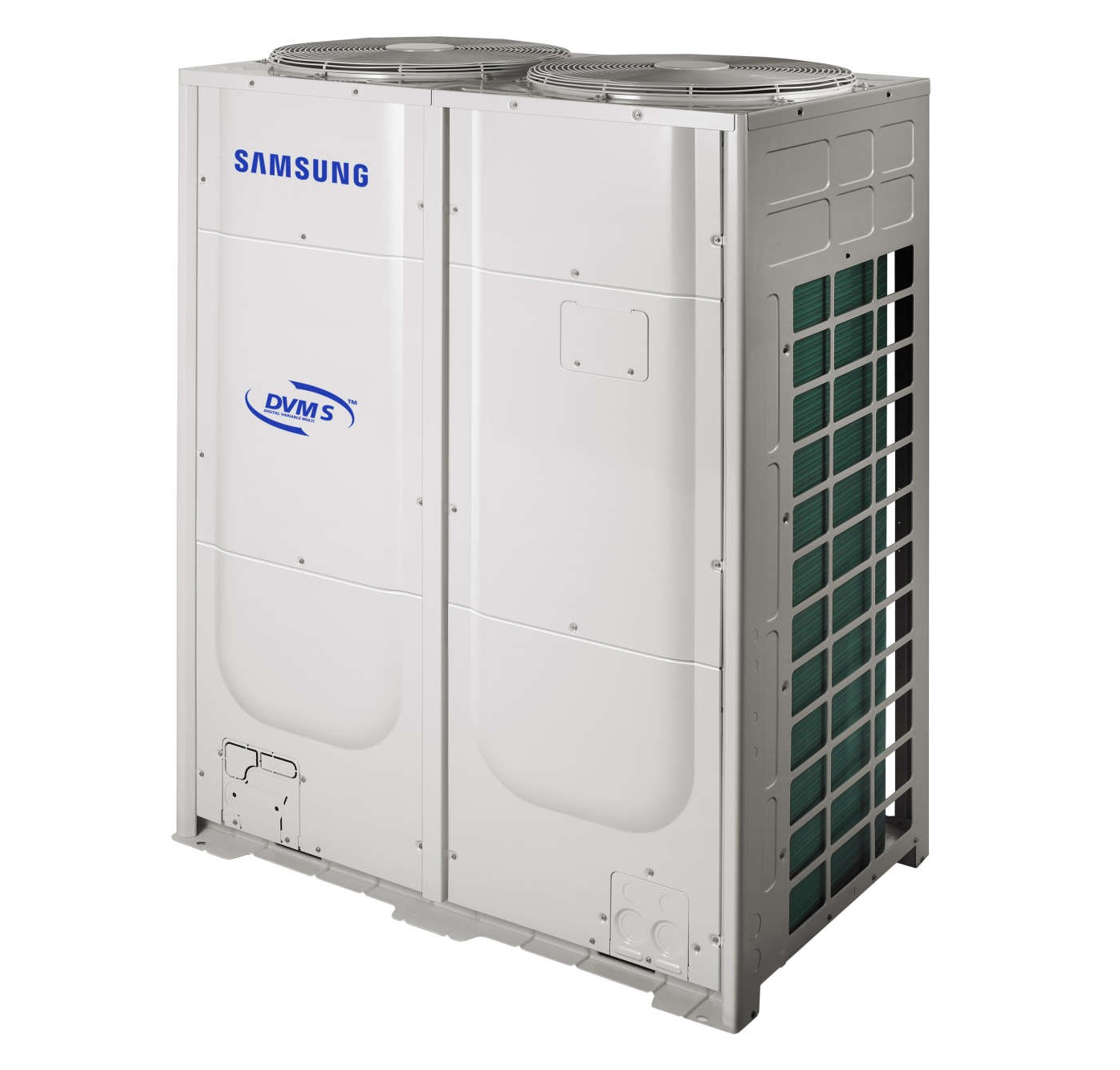
Samsung DVM (Digital Variable Multi) is a VRF system developed by Samsung.
Samsung DVM systems are designed for high-performance cooling and heating in commercial buildings.
Key Features of Samsung DVM
-
Advanced inverter compressor technology
-
Intelligent control systems
-
Wide operating temperature range
-
High energy efficiency
Samsung offers several DVM series including:
-
DVM S
-
DVM S2
-
DVM Water
-
DVM Chiller
These systems provide flexible HVAC solutions for various building types.
Overview of LG Multi V System
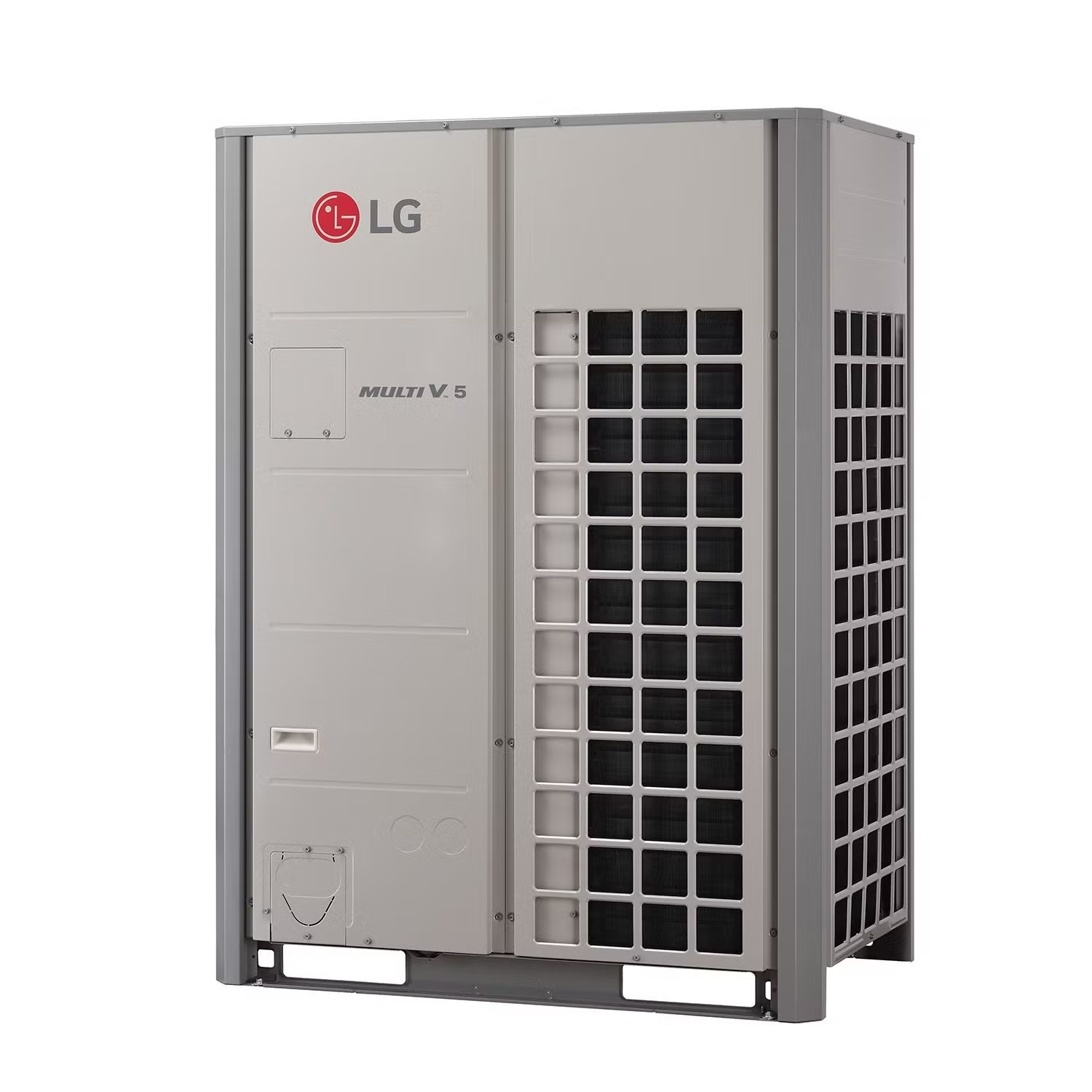
LG Multi V is a VRF air conditioning system developed by LG.
LG Multi V systems are widely used in large commercial buildings and are known for their powerful compressors and smart energy management.
Key Features of LG Multi V
-
Dual inverter compressors
-
AI-based energy optimization
-
High cooling capacity
-
Advanced building control integration
LG offers several Multi V models including:
-
Multi V 5
-
Multi V S
-
Multi V Water
-
Multi V Chiller
These systems are designed for high-performance commercial cooling applications.
Samsung DVM vs LG Multi V – Key Differences
| Feature | Samsung DVM | LG Multi V |
|---|---|---|
| Brand | Samsung | LG |
| Technology | Digital Variable Multi | Multi V VRF |
| Compressor Type | Inverter compressor | Dual inverter compressor |
| Energy Efficiency | High | Very High |
| Smart Controls | Intelligent control systems | AI energy management |
| Installation Flexibility | Flexible piping design | Flexible modular system |
Both systems are highly advanced VRF solutions.
Compressor Technology Comparison
Compressors are the most important components of VRF systems.
Samsung DVM Compressors
Samsung DVM systems use advanced inverter compressors designed for efficient refrigerant control.
Advantages include:
-
Reduced energy consumption
-
Stable temperature control
-
Quiet operation
LG Multi V Compressors
LG Multi V systems use dual inverter compressors with advanced energy management algorithms.
Advantages include:
-
Improved load balancing
-
Higher energy efficiency
-
Faster cooling response
Both brands provide high-performance compressors.
Energy Efficiency Comparison
Energy efficiency is a key factor when choosing VRF systems.
Samsung DVM Energy Efficiency
Samsung DVM systems feature:
-
Digital inverter technology
-
Advanced heat exchanger designs
-
Smart load control
LG Multi V Energy Efficiency
LG Multi V systems offer:
-
Dual inverter compressors
-
AI-based energy optimization
-
Smart building control integration
It generally provide slightly higher energy efficiency in some configurations.
Installation Flexibility
VRF systems are popular because of flexible installation options.
Samsung DVM Installation
Samsung DVM systems offer:
-
Long piping lengths
-
Large indoor unit capacity
-
Modular outdoor unit configuration
LG Multi V Installation
LG Multi V systems offer:
-
Flexible piping networks
-
Multiple indoor unit types
-
Modular outdoor unit combinations
Both systems are highly adaptable to building layouts.
Indoor Unit Options
Both VRF systems support a wide range of indoor unit types.
Common indoor unit types include:
-
Ceiling cassette units
-
Wall-mounted units
-
Ducted units
-
Floor-standing units
These options allow customization based on room design.
Smart Controls and Automation
Modern VRF systems include advanced control systems.
Samsung DVM Controls
Samsung DVM systems use intelligent building control systems for monitoring and managing HVAC operations.
LG Multi V Controls
LG Multi V integrates with building management systems and offers AI-based performance optimization.
These smart controls improve energy efficiency and system reliability.
Maintenance and Service
Both VRF systems require professional maintenance.
Typical maintenance tasks include:
- Cleaning air filters
- Checking refrigerant levels
- Inspecting compressors
- Cleaning heat exchangers
- Monitoring control systems
Regular maintenance ensures optimal performance.
Applications of Samsung DVM and LG Multi V
Both VRF systems are used in many building types.
Common applications include:
-
Office buildings
-
Hotels
-
Hospitals
-
Shopping malls
-
Educational institutions
These systems provide efficient cooling for large spaces.
Cost Comparison
VRF system costs depend on several factors.
Important cost factors include:
-
System capacity
-
Number of indoor units
-
Installation complexity
-
Control systems
Both Samsung DVM and LG Multi V systems are considered premium HVAC solutions.
Advantages of VRF Systems Over Traditional HVAC
VRF systems offer several advantages compared to traditional HVAC systems.
Energy Efficiency
VRF systems adjust cooling output according to demand.
Individual Room Control
Each indoor unit can operate independently.
Quiet Operation
VRF systems produce less noise.
Space Saving
Reduced ductwork requirements save space.
Choosing Between Samsung DVM and LG Multi V
Selecting the best VRF system depends on project requirements.
Choose Samsung DVM If
-
Flexible installation is required
-
Reliable inverter technology is preferred
-
Competitive pricing is important
Choose LG Multi V If
-
Maximum energy efficiency is required
-
Advanced smart controls are needed
-
High-performance compressors are desired
Both systems provide reliable commercial HVAC solutions.
Frequently Asked Questions
What is Samsung DVM?
Samsung DVM is a VRF air conditioning system designed for commercial buildings.
What is LG Multi V?
LG Multi V is an advanced VRF HVAC system that provides energy-efficient cooling and heating.
Which system is more energy efficient?
Both systems are efficient, but LG Multi V often offers slightly higher efficiency.
Are VRF systems suitable for large buildings?
Yes, VRF systems are commonly used in large commercial buildings.
How long do VRF systems last?
Most VRF systems have a lifespan of 15–20 years with proper maintenance.
Conclusion
Both Samsung DVM and LG Multi V are advanced VRF systems designed for commercial HVAC applications. These systems provide efficient cooling, flexible installation, and intelligent control capabilities.
Samsung DVM systems offer reliable inverter technology and flexible system design, while LG Multi V systems provide powerful compressors and advanced AI-based energy management.
Choosing the right system depends on project requirements, energy efficiency goals, and building design considerations.
With proper installation and maintenance, both systems can deliver long-lasting performance and energy-efficient climate control for modern buildings.