
HVAC Tools and Equipment Guide (Complete Technician Resource)
Comprehensive Guide for HVAC Professionals
This guide covers essential HVAC tools, diagnostic equipment, proper usage techniques, safety gear, and maintenance practices required for professional technicians.
Diagnostic Tools
Electrical Testing Equipment
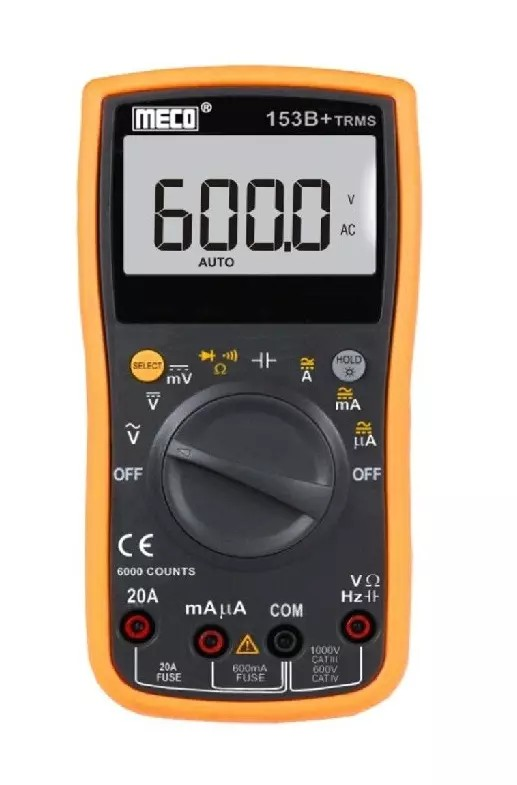
Accurate electrical measurements are critical for safe HVAC troubleshooting.
Digital Multimeter
Measures AC/DC voltage (up to 1000V)
Resistance & continuity testing
Capacitance testing
True RMS capability
Clamp Meter
Non-contact current measurement
Measures up to 600A
Inrush current capture
Power factor measurement
Megohmmeter
Insulation resistance testing
Motor winding diagnostics
500–5000V testing
Compressor insulation check
Safety Tip: Always use CAT III or CAT IV rated meters
Temperature & Pressure Instruments
| Tool | Range | Accuracy | Use |
|---|---|---|---|
| Digital Manifold Gauge | 0–800 PSI | ±0.5% | Pressure, superheat |
| Thermometer | -50°F to 1000°F | ±0.5°F | Line/air temp |
| Infrared Thermometer | -20°F to 1200°F | ±2% | Surface temp |
| Psychrometer | 0–100% RH | ±2% | Humidity |
| Anemometer | 0–5000 FPM | ±3% | Airflow |
| Manometer | 0–60 in. w.c. | ±0.5% | Gas/static pressure |
Hand Tools
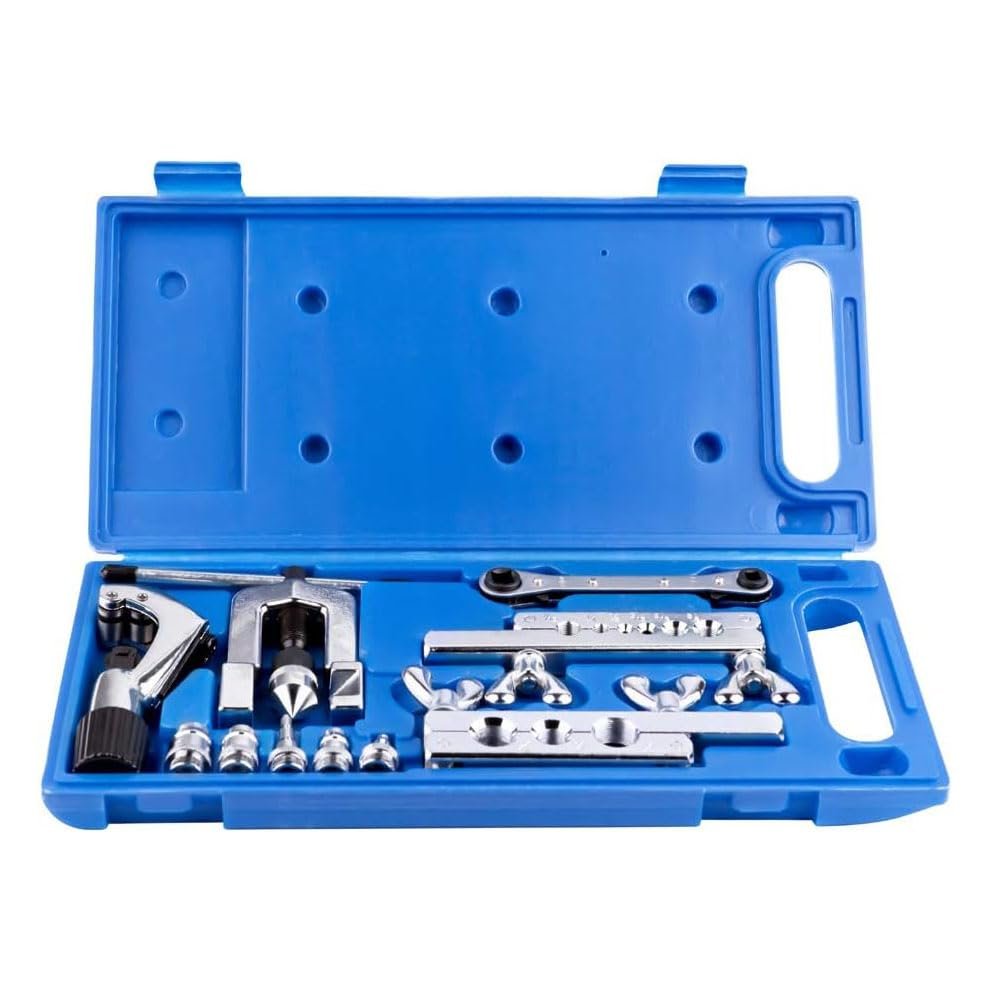
Adjustable wrenches (6” & 10”)
Ratchet sets
Tubing cutters
Wire strippers & crimpers
Sheet metal snips
Specialty Tools
Flaring & swaging tools
Fin straighteners
Core removal tools
Power Tools
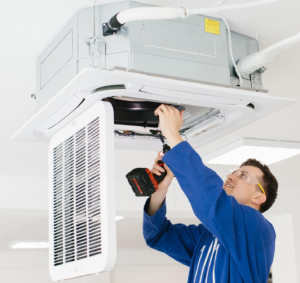
Drill/Driver → Mounting & drilling
Impact Driver → Fasteners & bolts
Reciprocating Saw → Pipe cutting
Angle Grinder → Metal cutting
Specialty Tools
Press tools (ProPress, ZoomLock)
Core drills (wall penetration)
Pipe threaders
Refrigeration Tools
| Equipment | Key Specs | Maintenance |
|---|---|---|
| Recovery Machine | 95% efficiency | Filter change |
| Vacuum Pump | 6+ CFM | Oil change |
| Micron Gauge | High accuracy | Calibration |
| Scale | 220 lb capacity | Level check |
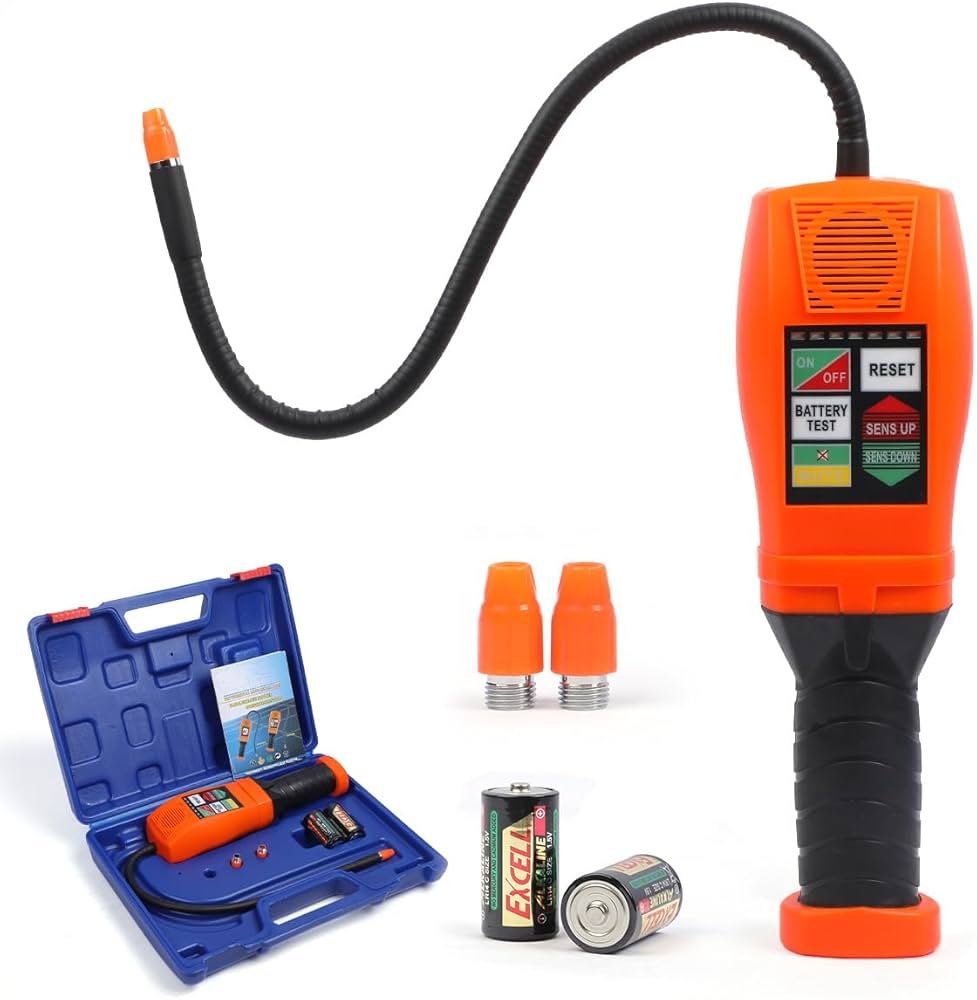
| Leak Detector | High sensitivity | Sensor replace |
Brazing Equipment
Oxy-acetylene torch sets
Nitrogen regulator & purge setup
Heat shields & fire extinguisher
Essential HVAC Tool Kit Checklist
Digital manifold gauges
Vacuum pump & micron gauge
Recovery machine & scale
Multimeter & clamp meter
Temperature probes
Hand tools
Power tools
Safety equipment
Safety Equipment

| Equipment | Use |
|---|---|
| Safety Glasses | Eye protection |
| Gloves | Cut protection |
| Safety Shoes | Foot safety |
| Helmet | Construction sites |
| Ear Protection | Loud environments |
Gas Detection Equipment
4-gas detectors (CO, O₂, LEL, H₂S)
Refrigerant leak monitors
CO detectors
Tool Maintenance
Preventive Maintenance Schedule
| Tool | Daily | Weekly | Monthly | Annual |
|---|---|---|---|---|
| Digital Meters | Check | Clean | Battery | Calibrate |
| Vacuum Pump | Check oil | Level | Change oil | Service |
| Recovery Machine | Check | Clean | Filter change | Certify |
| Manifold Gauges | Zero check | Clean | Inspect | Calibrate |
Best Practices
Clean tools after every use
Store properly
Avoid moisture exposure
Replace damaged tools immediately
Track calibration dates
Conclusion
Using the right HVAC tools ensures:
Accurate diagnostics
Safe operation
Better efficiency
Reduced repair costs
Investing in quality tools and proper maintenance is essential for every professional HVAC technician.
Frequently Asked Questions (HVAC Tools & Equipment)
What tools do HVAC technicians use?
HVAC technicians use a variety of tools including digital manifold gauges, multimeters, vacuum pumps, recovery machines, leak detectors, thermometers, and basic hand tools like wrenches and tubing cutters for installation and servicing.
What is the most important HVAC diagnostic tool?
The most important HVAC diagnostic tools are the digital multimeter and manifold gauge set. These tools help measure electrical values and refrigerant pressures, which are essential for troubleshooting HVAC systems.
Why is a vacuum pump used in HVAC?
A vacuum pump is used to remove air and moisture from refrigerant lines before charging the system. This ensures proper system performance, prevents damage, and increases efficiency.
What safety equipment is required for HVAC work?
Essential HVAC safety equipment includes safety glasses, gloves, safety shoes, helmets, and gas detection devices. These protect technicians from electrical hazards, refrigerants, and physical injuries.
What is a refrigerant recovery machine?
A refrigerant recovery machine is used to safely remove refrigerant from an HVAC system during servicing. It helps comply with environmental regulations and prevents refrigerant release into the atmosphere.
How often should HVAC tools be calibrated?
HVAC tools like digital gauges, micron gauges, and multimeters should be calibrated at least once a year to maintain accuracy and ensure reliable system diagnostics.
What is a micron gauge used for?
A micron gauge measures vacuum levels during system evacuation. It ensures that moisture and non-condensable gases are completely removed from the HVAC system.
Are cordless tools good for HVAC technicians?
Yes, cordless tools are widely used in HVAC work because they provide portability, convenience, and sufficient power for installation and repair tasks.
9 Responses