How Much Gas Is Filled in a 2 Ton AC?
How Much Gas Is Filled in a 2 Ton AC? (Complete HVAC Guide)
When it comes to air conditioner performance, one of the most critical yet misunderstood aspects is refrigerant charge (AC gas quantity). Whether you’re a homeowner, HVAC technician, or dealer, knowing the exact gas requirement of a 2 ton AC can help you avoid costly mistakes, improve efficiency, and extend equipment life.
This detailed, guide covers everything you need to know—from exact refrigerant quantities to pressure charts, charging methods, troubleshooting, and expert-level insights.
1. What is AC Gas (Refrigerant)?
AC gas, or refrigerant, is the chemical fluid inside an air conditioning system responsible for transferring heat. It absorbs heat from indoor air and releases it outside, creating a cooling effect.
Key Functions:
- Heat absorption in evaporator
- Heat rejection in condenser
- Continuous phase change (liquid ↔ gas)
Common Refrigerants:
- R-22 (obsolete)
- R-410A (widely used)
- R-32 (modern and eco-friendly)
2. What Does 2 Ton AC Mean?
“Ton” in air conditioning refers to cooling capacity.
Definition:
- 1 ton = 12,000 BTU/hr
- 2 ton = 24,000 BTU/hr
Ideal Usage:
- Rooms: 200–300 sq. ft.
- Commercial spaces
- Large halls or offices
3. How Much Gas is Filled in a 2 Ton AC?
This is the core question.
Standard Gas Quantity Range:
| Refrigerant Type | Gas Quantity (Approx.) |
|---|---|
| R-22 | 1400 – 2000 grams |
| R-410A | 1600 – 2500 grams |
| R-32 | 1200 – 2000 grams |
Average Value:
A typical 2 ton split AC uses ~1.5 kg to 2.2 kg refrigerant.
Important Factors Affecting Gas Quantity:
- AC brand & model
- Pipe length (standard vs extended)
- Indoor-outdoor unit distance
- Manufacturer specifications
Always check the nameplate label for exact charge.
4. Refrigerant Types Used in 2 Ton AC
R-22 (Legacy Refrigerant)
- Ozone-depleting
- Being phased out
- Found in older units
R-410A (High Pressure System)
- Better cooling efficiency
- Requires strong components
- Widely used
R-32 (Next-Gen Refrigerant)
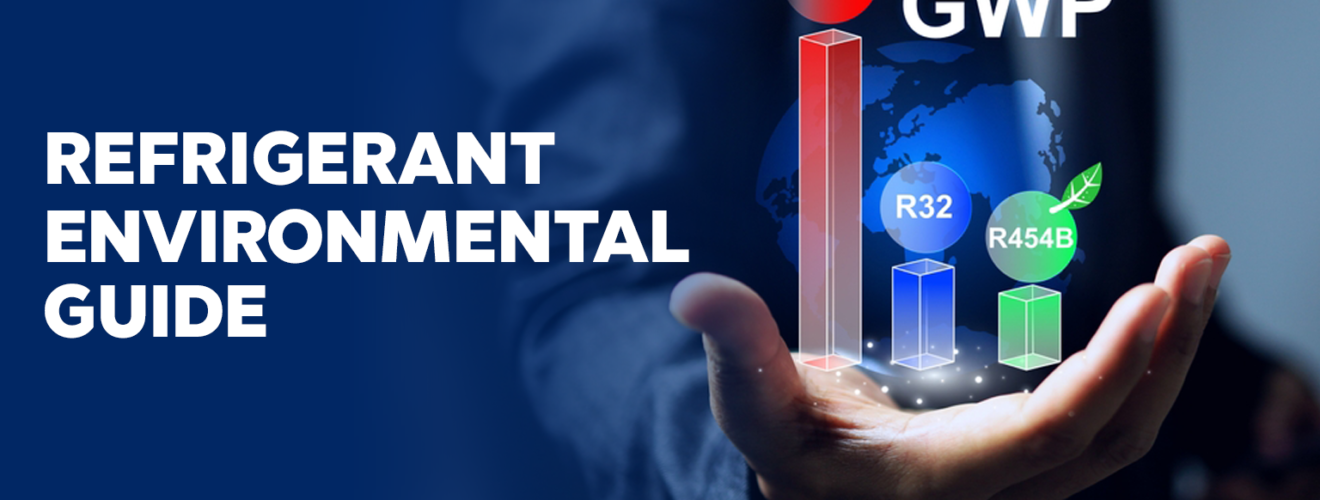
- Lower Global Warming Potential (GWP)
- Faster cooling
- Lower energy consumption
5. Gas Quantity Based on AC Type
Split AC (2 Ton)
- Gas: 1.5 – 2.2 kg
- Most common in homes
Window AC (2 Ton)
- Gas: 1.2 – 1.8 kg
- Factory sealed
Inverter AC (2 Ton)
- Optimized refrigerant charge
- Higher efficiency
6. Why Correct Gas Charging Matters
Correct refrigerant charge ensures:
Benefits:
- Maximum cooling efficiency
- Lower electricity consumption
- Longer compressor life
- Stable system performance
Risks of Incorrect Charging:
- Compressor damage
- High energy bills
- Poor cooling
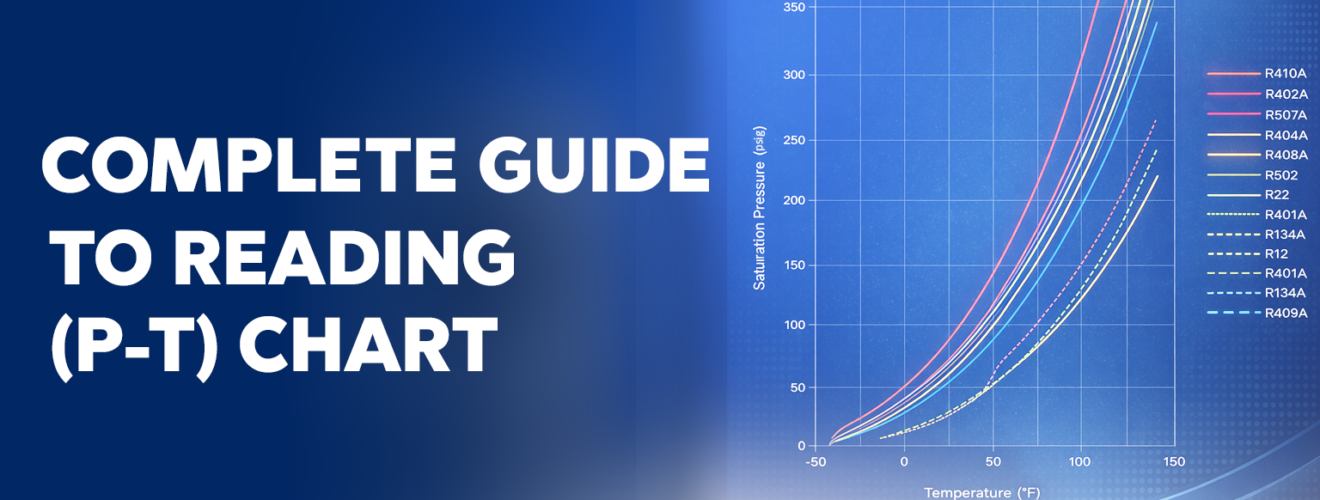
7. Pressure vs Gas Charge Relationship
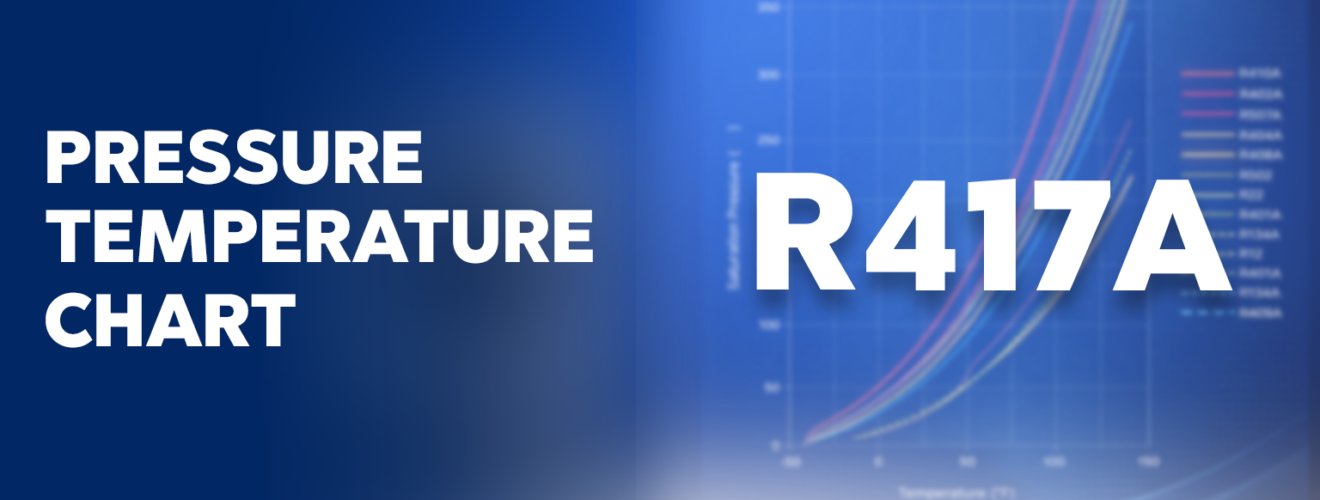
Typical Pressure Values (R-410A Example):
- Suction pressure: 120–140 PSI
- Discharge pressure: 400–500 PSI
Interpretation:
- Low pressure → Low refrigerant
- High pressure → Overcharge
8. How to Check AC Gas Level
Method 1: Manifold Gauge
- Connect to service port
- Compare pressure with standard
Method 2: Temperature Method
- Check airflow temperature drop
Method 3: Visual Signs
- Ice formation
- Oil stains
9. Signs of Low Refrigerant
- Weak cooling
- Ice on evaporator coil
- Longer run time
- High electricity bills
- Bubbling or hissing noise
10. Signs of Overcharging
- High pressure reading
- Compressor overheating
- Increased power consumption
- Reduced cooling efficiency
11. Step-by-Step Gas Charging Process
Only for trained professionals.
Step 1: Leak Detection
- Soap solution or electronic detector
Step 2: Vacuuming
- Remove air and moisture
Step 3: Gas Charging
- Use weighing scale
- Charge slowly
Step 4: Pressure Monitoring
- Ensure correct PSI
12. Tools Required for Gas Charging
Basic Tools:
- Manifold gauge set
- Vacuum pump
- Digital weighing scale
- Refrigerant cylinder
Advanced Tools:
- Clamp meter
- Leak detector
- Thermometer
13. Safety Guidelines
- Turn off power before servicing
- Use PPE (gloves, goggles)
- Avoid direct refrigerant exposure
- Never mix refrigerants
14. Cost of AC Gas Filling in India
| Refrigerant | Cost (₹) |
|---|---|
| R-22 | ₹2000 – ₹3500 |
| R-410A | ₹3500 – ₹6000 |
| R-32 | ₹4000 – ₹7000 |
15. Gas Leak Causes & Solutions
Causes:
- Improper installation
- Copper pipe damage
- Corrosion
- Vibrations
Solutions:
- Brazing joints
- Pipe replacement
- Leak sealing
16. Advanced Charging Methods
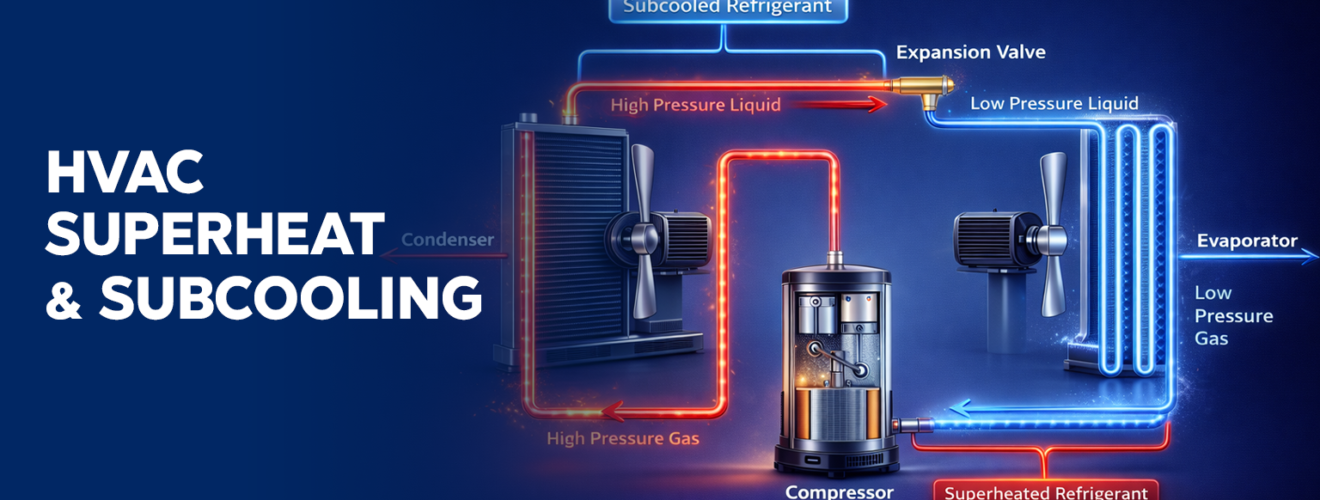
Superheat Method
- Measures evaporator performance
Subcooling Method
- Ensures condenser efficiency
17. Best Practices for HVAC Professionals
Since you’re an HVAC dealer, this is important:
- Always use weighing scale
- Follow manufacturer specs strictly
- Offer AMC packages
- Educate customers about gas myths
18. Energy Efficiency Tips
- Clean filters regularly
- Maintain proper airflow
- Keep condenser clean
- Use inverter ACs
19. Conclusion
A 2 ton AC typically requires 1.5 kg to 2.2 kg refrigerant, depending on the type and system design.
Correct gas charging is essential for:
- Efficient cooling
- Reduced electricity bills
- Long compressor life
20. FAQs
1. How much gas is filled in a 2 ton AC?
Around 1.5 kg to 2.2 kg depending on refrigerant type.
2. Which gas is best for 2 ton AC?
R-32 is the most efficient and eco-friendly.
3. Can I refill AC gas myself?
Not recommended without proper tools.
4. How often should AC gas be refilled?
Only when there is a leak.
5. What happens if gas is low?
Cooling reduces and system efficiency drops.
6. Is overcharging harmful?
Yes, it can damage the compressor.
7. How to detect gas leak?
Using soap solution or electronic detector.
8. What is normal AC pressure?
Depends on refrigerant type.
9. Why does AC lose gas?
Due to leaks or poor installation.
10. Is inverter AC gas different?
No, but charge optimization differs.