How Much Gas Is Filled in a 1 Ton AC?
How Much Gas Is Filled in a 1 Ton AC? (Complete HVAC Guide)
If you’re searching for how much gas is filled in a 1 ton AC, you’re likely dealing with installation, servicing, or troubleshooting cooling issues. Refrigerant charge is one of the most critical factors in HVAC performance. Even a small deviation can affect cooling efficiency, compressor life, and electricity consumption.
This guide covers everything—from exact gas quantities and refrigerant types to pressure charts, charging procedures, and expert-level HVAC insights.
1. Introduction to AC Gas (Refrigerant)
Refrigerant (commonly called AC gas) is the working fluid inside an air conditioner responsible for transferring heat from indoors to outdoors.
Key Roles:
- Absorbs heat from indoor air
- Releases heat outside
- Changes phase (liquid ↔ gas) continuously
Without refrigerant, your AC cannot cool.
2. What Does 1 Ton AC Mean?
The “ton” rating represents cooling capacity.
Definition:
- 1 ton = 12,000 BTU/hr
Ideal Usage:
- Room size: 80–120 sq. ft.
- Bedrooms, small offices
3. How Much Gas is Filled in a 1 Ton AC?
Standard Refrigerant Quantity:
| Refrigerant | Gas Quantity |
|---|---|
| R-22 | 600 – 900 grams |
| R-410A | 700 – 1100 grams |
| R-32 | 500 – 900 grams |
Average Value:
A typical 1 ton split AC uses ~700g to 1 kg refrigerant.
Important:
Exact gas quantity depends on:
- Brand and model
- Pipe length
- Installation conditions
Always check the manufacturer nameplate.
4. Refrigerant Types Used in 1 Ton AC
R-22 (Old Generation)
- Being phased out
- Ozone-depleting
R-410A (Modern Standard)
- Higher efficiency
- High-pressure refrigerant
R-32 (Latest Technology)
- Lower Global Warming Potential
- Better cooling efficiency
- Widely used in India
5. Gas Quantity Based on AC Type
Split AC (1 Ton)
- 700g – 1kg
Window AC (1 Ton)
- 500g – 900g
Inverter AC
- Optimized refrigerant use
- Higher energy efficiency
6. Factors Affecting Refrigerant Charge
1. Pipe Length
- Longer piping → more gas required
2. Ambient Temperature
- High temperature affects pressure
3. Installation Quality
- Poor installation leads to leaks
4. Manufacturer Design
- Each model has different charge specs
7. Importance of Correct Gas Charging
Benefits:
- Efficient cooling
- Lower electricity bills
- Longer compressor life
Risks:
- Undercharge → Poor cooling
- Overcharge → Compressor damage
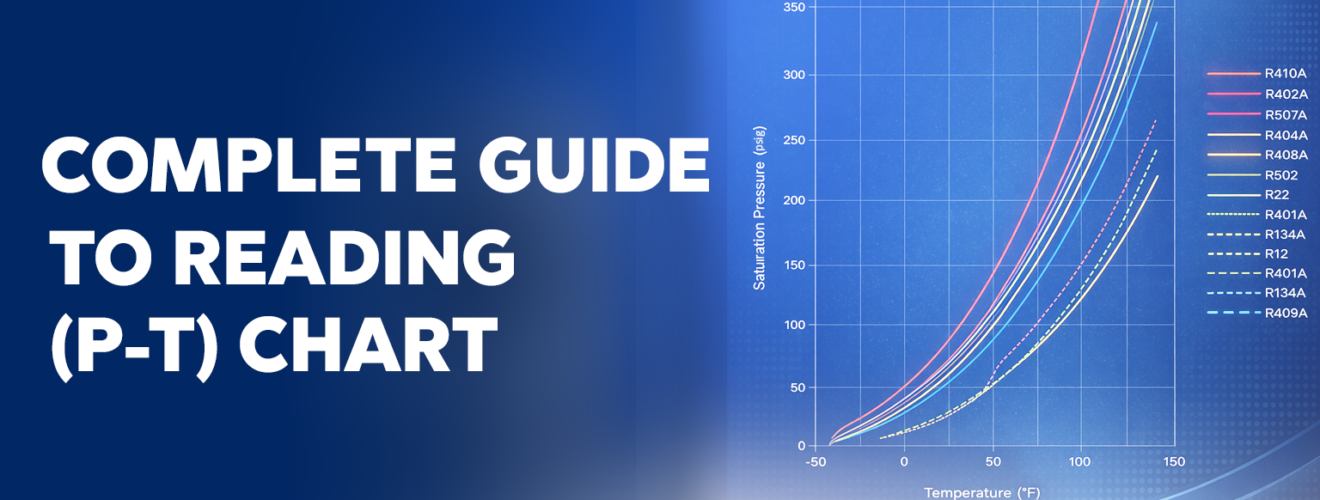
8. Pressure vs Refrigerant Relationship
Typical Pressure (R-32 Example):
- Suction: 100–120 PSI
- Discharge: 300–400 PSI
9. Methods to Check AC Gas Level
1. Pressure Gauge Method
- Use manifold gauge
2. Temperature Method
- Check air temperature difference
3. Visual Method
- Ice formation
- Oil leakage
10. Symptoms of Low Refrigerant
- Weak cooling
- Ice on coil
- High power consumption
- Hissing sound
11. Symptoms of Overcharged AC
- High pressure
- Compressor overheating
- Reduced cooling
12. Step-by-Step Gas Charging Process
Only for trained individuals.
Step 1: Leak Detection
Step 2: Vacuuming
Step 3: Gas Charging
Step 4: Pressure Monitoring
13. Tools Required for Charging
- Manifold gauge set
- Vacuum pump
- Weighing scale
- Refrigerant cylinder
14. Safety Guidelines
- Turn off power
- Use gloves and goggles
- Avoid refrigerant inhalation
- Never mix gases
15. Cost of AC Gas Filling in India
| Refrigerant | Cost (₹) |
|---|---|
| R-22 | ₹1200 – ₹2000 |
| R-410A | ₹2000 – ₹3500 |
| R-32 | ₹2500 – ₹4000 |
16. Gas Leakage Causes and Solutions
Causes:
- Damaged copper pipes
- Poor brazing
- Corrosion
Solutions:
- Leak detection
- Brazing repair
- Pipe replacement
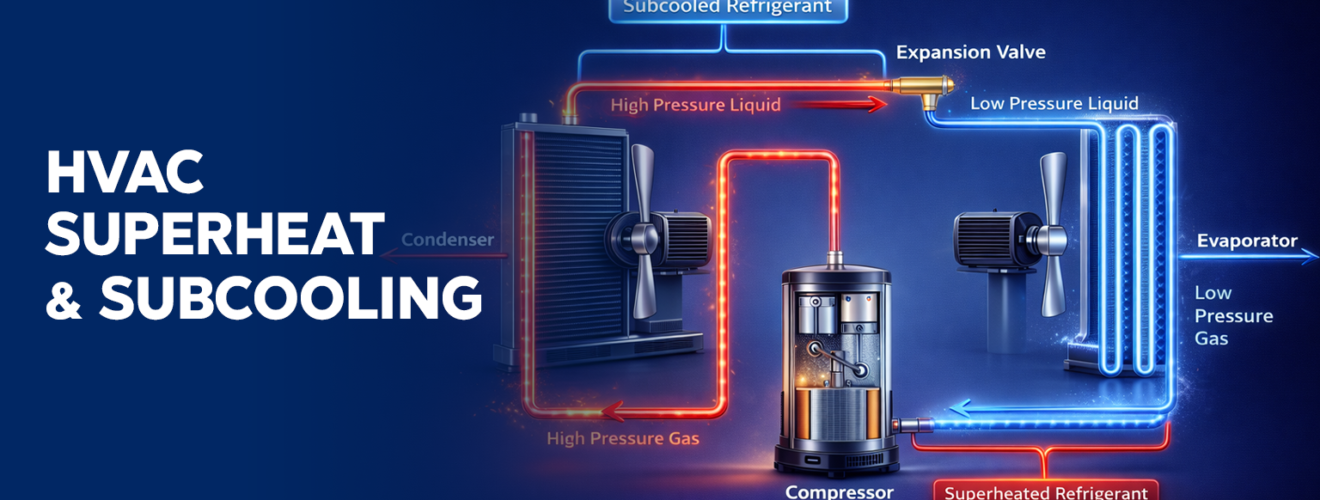
17. Advanced Charging Techniques
Superheat Method
- Measures evaporator efficiency
Subcooling Method
- Ensures condenser performance
18. Expert Tips for HVAC Professionals
Since you’re an HVAC dealer, use this:
- Always use digital weighing scale
- Follow manufacturer specs
- Educate customers
- Offer AMC services
19. Conclusion
A 1 ton AC typically requires 700g to 1 kg refrigerant, depending on refrigerant type and system design.
Correct gas charging ensures:
- Efficient cooling
- Energy savings
- Long system life
20. FAQs
1. How much gas is filled in a 1 ton AC?
Around 600g to 1kg depending on refrigerant type.
2. Which gas is best for 1 ton AC?
R-32 is most efficient and eco-friendly.
3. Can I refill AC gas myself?
Not recommended without proper tools.
4. How often should gas be refilled?
Only when there is a leak.
5. What happens if gas is low?
Cooling reduces and efficiency drops.
6. Is overcharging harmful?
Yes, it can damage the compressor.
7. How to detect gas leak?
Using soap solution or electronic detector.
8. What is normal AC pressure?
Depends on refrigerant type.
9. Why does AC lose gas?
Due to leaks or poor installation.
10. Is inverter AC gas different?
No, but optimized for efficiency.