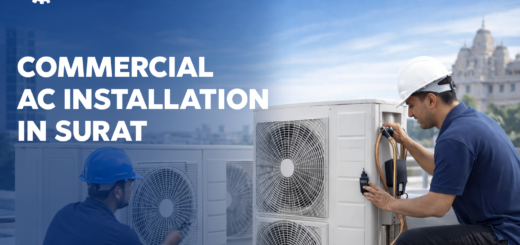
Air Conditioner
Air Conditioner: Complete Guide (Types, Cost, Installation, Efficiency)
Air conditioners have become an essential part of modern life. With rising global temperatures and increasing urbanization, air conditioning systems are widely used in homes, offices, hospitals, shopping malls, and industrial buildings.
Whether you are planning to buy a new AC, upgrade an existing system, or simply want to understand how air conditioners work, this complete air conditioner guide will help you learn everything about AC systems.
In this comprehensive article, we will cover:
-
What an air conditioner is
-
How air conditioning systems work
-
Different types of air conditioners
-
Air conditioner installation process
-
AC cost and pricing factors
-
Energy efficiency and power consumption
-
Maintenance and troubleshooting tips
This guide will help homeowners, building owners, and HVAC professionals understand air conditioning technology in detail.
What Is an Air Conditioner?
An air conditioner (AC) is a device designed to control indoor temperature, humidity, and air quality. It works by removing heat from indoor air and releasing it outside, thereby cooling the indoor environment.
Air conditioners are widely used in:
-
Residential homes
-
Commercial buildings
-
Hotels
-
Hospitals
-
Industrial facilities
Modern air conditioning systems not only cool the air but also improve indoor air quality and humidity control.
How Air Conditioners Work
Air conditioners operate using the refrigeration cycle, a thermodynamic process that transfers heat from one place to another.
The system uses a refrigerant that circulates through different components.
Main Components of an Air Conditioner
The primary components include:
Compressor
The compressor compresses the refrigerant gas, increasing its pressure and temperature.
Condenser Coil
The condenser releases heat to the outside environment and converts refrigerant into liquid.
Expansion Valve
This component reduces refrigerant pressure before it enters the evaporator coil.
Evaporator Coil
The evaporator absorbs heat from indoor air and cools the room.
Fan or Blower
The blower circulates cooled air throughout the building.
This continuous cycle removes heat from indoor air and maintains a comfortable temperature.
Types of Air Conditioners
There are several types of air conditioners available in the market, each designed for different applications.
Window Air Conditioner
Window AC units are compact air conditioning systems installed in windows or wall openings.
Features
-
Simple installation
-
Affordable cost
-
Suitable for small rooms
Applications
-
Bedrooms
-
Small offices
-
Studio apartments
However, window AC units are less efficient and noisier compared to modern systems.
Split Air Conditioner
Split air conditioners are one of the most popular cooling systems used in homes.
A split AC consists of two main units:
-
Indoor unit (evaporator)
-
Outdoor unit (compressor and condenser)
Advantages
-
Quiet operation
-
Better aesthetics
-
Energy efficient
Split AC systems are ideal for:
-
Bedrooms
-
Living rooms
-
Small offices
Multi-Split Air Conditioner
Multi-split AC systems connect multiple indoor units to a single outdoor unit.
This allows multiple rooms to be cooled using one external compressor.
Benefits
-
Space saving
-
Flexible installation
-
Independent room control
These systems are commonly used in apartments and offices.
Cassette Air Conditioner
Cassette AC units are installed in the ceiling and distribute air in four directions.
Advantages
-
Uniform air distribution
-
Modern appearance
-
Suitable for large spaces
Cassette AC systems are commonly used in:
-
Offices
-
Restaurants
-
Retail stores
-
Conference rooms
Ducted Air Conditioning System
Ducted AC systems distribute cooled air through ducts installed in ceilings or walls.
These systems provide centralized cooling for entire buildings.
Benefits
-
Even cooling
-
Hidden installation
-
Quiet operation
Ducted systems are often used in:
-
Luxury homes
-
Hotels
-
Commercial buildings
VRF / VRV Air Conditioning Systems
Variable Refrigerant Flow (VRF) systems are advanced HVAC systems used in large buildings.
They use inverter compressors to control refrigerant flow.
Advantages
-
High energy efficiency
-
Zoned cooling
-
Flexible installation
VRF systems are widely used in:
-
Office buildings
-
Hospitals
-
Shopping malls
-
Hotels
Portable Air Conditioner
Portable air conditioners are movable cooling units that can be placed in any room.
Features
-
Easy installation
-
Portable design
-
Suitable for temporary cooling
However, they are less efficient than split AC systems.
Air Conditioner Cooling Capacity
Cooling capacity determines how much heat an AC can remove from a room.
Capacity is measured in tons of refrigeration (TR) or BTU per hour.
Typical AC Capacity
| AC Capacity | Room Size |
|---|---|
| 1 Ton | 100–150 sq ft |
| 1.5 Ton | 150–250 sq ft |
| 2 Ton | 250–400 sq ft |
| 3 Ton | 400–600 sq ft |
Choosing the correct AC capacity is important for efficient cooling.
Air Conditioner Installation Process
Proper installation is essential for optimal AC performance.
Step 1: Site Inspection
HVAC technicians inspect the location to determine:
-
Room size
-
Electrical supply
-
Installation location
Step 2: Indoor Unit Installation
The indoor unit is mounted on a wall or ceiling.
Proper positioning ensures uniform air distribution.
Step 3: Outdoor Unit Installation
The outdoor unit is installed outside the building.
It must be placed in a well-ventilated area.
Step 4: Refrigerant Piping
Copper pipes connect the indoor and outdoor units.
These pipes carry refrigerant between components.
Step 5: Electrical Wiring
Technicians connect power cables and control wiring.
Step 6: Vacuum and Gas Charging
The system is vacuumed to remove air and moisture before charging refrigerant.
Step 7: System Testing
The AC is tested to ensure proper operation.
Air Conditioner Cost
The cost of an air conditioner depends on several factors including capacity, brand, and installation complexity.
Typical Price Range
| AC Type | Average Price |
|---|---|
| Window AC | $200 – $600 |
| Split AC | $400 – $1500 |
| Cassette AC | $1000 – $4000 |
| VRF System | $5000 – $50,000 |
Installation costs may also vary depending on location and project complexity.
Air Conditioner Energy Efficiency
Energy efficiency is an important factor when choosing an AC system.
Efficiency is measured using ratings such as:
SEER (Seasonal Energy Efficiency Ratio)
Higher SEER values indicate better efficiency.
EER (Energy Efficiency Ratio)
Measures efficiency at a specific temperature.
COP (Coefficient of Performance)
Indicates heating or cooling efficiency.
Energy-efficient AC systems reduce electricity consumption and operating costs.
Inverter vs Non-Inverter AC
Modern air conditioners often use inverter technology.
Inverter AC
Inverter compressors adjust speed based on cooling demand.
Advantages:
-
Lower energy consumption
-
Stable temperature
-
Quiet operation
Non-Inverter AC
Non-inverter compressors operate at fixed speed.
These systems consume more electricity.
Air Conditioner Maintenance
Regular maintenance improves system performance and lifespan.
Important maintenance tasks include:
-
Cleaning air filters
-
Checking refrigerant levels
-
Cleaning evaporator coils
-
Inspecting drainage pipes
-
Checking electrical components
Annual professional servicing is recommended.
Common Air Conditioner Problems
Air conditioners may experience several issues over time.
AC Not Cooling
Possible causes include:
-
Low refrigerant
-
Dirty filters
-
Compressor issues
AC Freezing Up
This may occur due to:
-
Restricted airflow
-
Low refrigerant levels
-
Dirty coils
Water Leakage
Blocked drain lines can cause water leakage.
Strange Noises
Loose components or fan issues may cause unusual noises.
Environmental Impact of Air Conditioners
Air conditioning systems consume significant energy and may contribute to greenhouse gas emissions.
Modern refrigerants such as:
-
R410A
-
R32
-
R454B
have lower environmental impact.
Energy-efficient AC systems also reduce electricity consumption.
Future of Air Conditioning Technology
The HVAC industry continues to develop advanced cooling technologies.
Future innovations may include:
-
Smart thermostats
-
AI-based energy optimization
-
Solar-powered air conditioners
-
Eco-friendly refrigerants
These technologies will improve energy efficiency and sustainability.
Frequently Asked Questions (FAQ)
What is an air conditioner and how does it work?
An air conditioner is a cooling system that removes heat from indoor air and releases it outside. It works using a refrigeration cycle that includes a compressor, condenser, expansion valve, and evaporator coil to cool and circulate air.
What are the main types of air conditioners?
The most common types of air conditioners include window AC, split AC, cassette AC, ducted air conditioning systems, portable AC units, and VRF or VRV systems used in large commercial buildings.
How much does an air conditioner cost?
The cost of an air conditioner depends on type and capacity. Window AC units may cost between $200 and $600, while split air conditioners typically range from $400 to $1500. Larger commercial systems such as VRF can cost significantly more.
What size air conditioner do I need for my room?
The correct AC size depends on room area and heat load. A 1-ton AC typically cools 100–150 sq ft, while a 1.5-ton AC can cool 150–250 sq ft. Larger rooms require higher capacity units.
What is the difference between inverter and non-inverter AC?
Inverter air conditioners use variable-speed compressors that adjust cooling output based on demand, which improves energy efficiency and maintains stable temperature. Non-inverter AC units operate at fixed speed and consume more electricity.
How often should an air conditioner be serviced?
Air conditioners should be serviced at least once or twice a year. Regular maintenance includes cleaning filters, checking refrigerant levels, inspecting coils, and ensuring proper airflow for efficient operation.
Conclusion
Air conditioners play a vital role in maintaining indoor comfort and productivity. Understanding how AC systems work, the different types available, and their installation and efficiency can help homeowners and businesses choose the right cooling solution.
From window AC units to advanced VRF systems, modern air conditioning technology continues to evolve, offering improved energy efficiency, comfort, and environmental sustainability.
By selecting the right air conditioner and performing regular maintenance, users can enjoy reliable cooling performance while reducing energy costs and environmental impact.