Can I Connect a 1.5 Ton AC with 1.5 mm Wire?
Can I Connect a 1.5 Ton AC with 1.5 mm Wire? (Complete Safety Guide)
Introduction
Imagine this.
You just bought a brand-new 1.5 ton air conditioner. The summer heat is unbearable, your family is waiting, and the technician says:
“The wire size is slightly lower than recommended, but it may still operate.”
That one sentence can either save you money—or burn your house.
Electrical wiring is one of the most ignored yet most dangerous aspects of AC installation. Many homeowners in India try to save money by using thinner wires like 1.5 sq mm, thinking:
“The air conditioner will operate regardless…”
Yes, it might run — but the real question is:
- Will it run safely?
- Will it damage your AC?
- Can it cause fire?
In this detailed HVAC expert guide, you’ll learn everything:
- Actual power requirement of 1.5 ton AC
- Wire capacity vs load
- Real risks of using 1.5 mm wire
- IS standards & professional recommendations
- Safe wiring solutions
- Expert tips (from field experience)
Let’s break the myth completely.
Understanding 1.5 Ton AC Power Consumption
Before talking about wire, you must understand the load.
Typical Power Consumption
A 1.5 ton AC usually consumes:
- Input Power: 1200W – 2000W
- Current Draw: 6A – 10A (can go higher during startup)
Important Factor: Starting Current
When compressor starts, current spikes up to:
2x to 3x normal current
That means:
- Running current: ~8A
- Starting current: 15A – 20A
This is where most wiring failures happen.
What is 1.5 mm Wire Capacity?
Standard Load Capacity (Copper Wire)
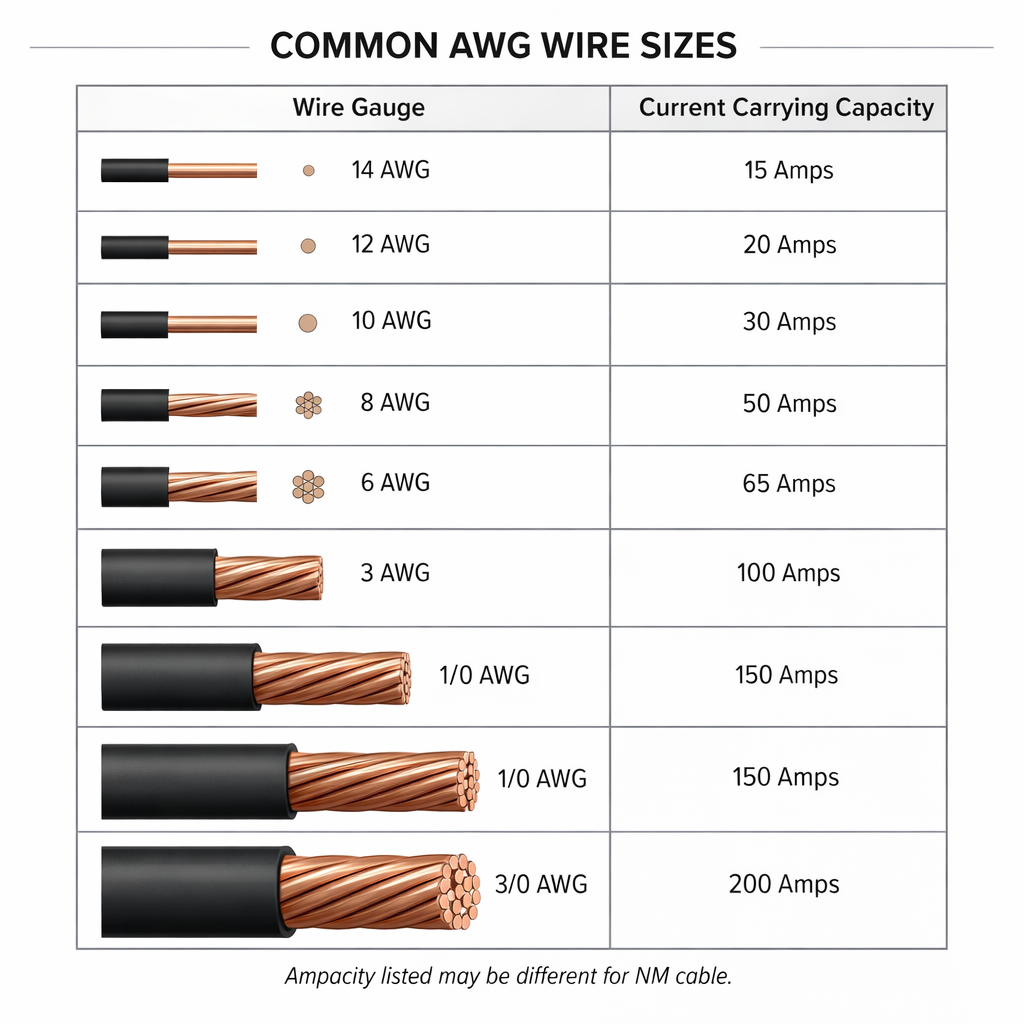
- 1.5 sq mm wire capacity: 10–14 Amps (max)
- Safe continuous load: 8–10 Amps
Now compare:
| Parameter | Value |
|---|---|
| AC Running Load | 6–10A |
| AC Starting Load | 15–20A |
| 1.5 mm Wire Limit | ~10A |
Problem is already visible.
The Core Question: Can You Use 1.5 mm Wire?
Short Answer:
NO — It is NOT recommended
Long Answer:
Technically, the AC may run, but:
- Wire will heat up
- Voltage drop will occur
- Insulation can melt
- Fire risk increases
Why 1.5 mm Wire is Dangerous for AC
1. Overheating Problem
Thin wires = higher resistance
Result:
- Wire heats continuously
- Heat builds inside walls
- Insulation degrades
Over time → short circuit or fire
2. Voltage Drop Issue
Long wire + thin size = voltage loss
Effects:
- Compressor struggles
- AC efficiency drops
- Electricity bill increases
3. Compressor Damage
Low voltage = biggest enemy of compressor
- Motor overheats
- Winding damage
- Compressor failure
Repair cost: ₹8,000 – ₹25,000+
4. Fire Hazard
This is the most serious risk.
Common scenario:
- AC runs fine initially
- Wire slowly degrades
- One day → spark → fire
Many house fires in India are due to undersized wiring
IS Standard Recommendation (India)
According to electrical safety practices:
For 1.5 Ton AC:
- Minimum wire size: 2.5 sq mm copper
- Recommended: 4 sq mm (best practice)
Comparison Table
| Wire Size | Suitable for 1.5 Ton AC? | Safety Level |
|---|---|---|
| 1.5 mm | No | Dangerous |
| 2.5 mm | Yes (minimum) | Moderate |
| 4 mm | Best | High Safety |
Real Field Experience (HVAC Expert Insight)
As an HVAC dealer, you’ll relate to this:
Many customers say:
“The wiring is already there—just run the AC on it.”
Reality:
- 50% cases → wire overheating
- 30% cases → MCB trips
- 20% cases → compressor damage
Common Mistakes People Make
Mistake 1: Assuming “Fan bhi 1.5 mm pe chalta hai”
Fan load = 100W
AC load = 1500W+
Huge difference.
Mistake 2: Ignoring Wire Length
Longer wire = more voltage drop
Even 2.5 mm may fail if:
- Length > 20–25 meters
Mistake 3: No Dedicated Line
Sharing with:
- fridge
- washing machine
- microwave
Overload guaranteed.
Mistake 4: Cheap Wire Quality
Not all wires are equal:
- Local wires → lower copper purity
- More resistance → more heat
Correct Wiring Setup for 1.5 Ton AC
Ideal Configuration
- Wire: 2.5 mm minimum (4 mm best)
- MCB: 16A – 20A
- Dedicated line: Yes
- Earthing: Proper
Wiring Diagram Concept
Power → MCB → AC → Earth
How to Check If Your Wire is Safe
Step-by-Step
- Check wire thickness
- Measure load using clamp meter
- Feel wire temperature
- Check MCB rating
Warning Signs
- Wire getting hot
- Burning smell
- Frequent tripping
- AC not cooling properly
What Happens If You Already Installed 1.5 mm Wire?
Scenario 1: AC Running Fine
- Still unsafe
- Risk increases over time
Scenario 2: AC Trips Frequently
- Wire is overloaded
- Immediate upgrade needed
Scenario 3: Wire Heating
- STOP using AC immediately
Best Solution (Recommended)
Upgrade Wiring
- Replace with 2.5 or 4 sq mm copper wire
- Install dedicated MCB
- Ensure proper earthing
Cost of Upgrading vs Risk
| Item | Cost |
|---|---|
| New wiring | ₹2000 – ₹5000 |
| Fire damage | ₹2 lakh+ |
| Compressor repair | ₹10,000+ |
Decision is obvious.
Expert Tips (Very Important)
1. Always Use Branded Wire
- Polycab
- Havells
- Finolex
2. Keep Voltage Stable
Use stabilizer if:
- Voltage < 200V
- Frequent fluctuations
3. Use Proper MCB
- 16A for inverter AC
- 20A for non-inverter
4. Avoid Extensions
Never run AC on:
- extension board
- temporary wiring
Myth vs Reality
| Myth | Reality |
|---|---|
| “If the AC is running, it must be safe.” | Not true |
| “A 1.5 mm wire is enough.” | Dangerous |
| “Changing the wire is a waste.” | Safety investment |
Final Verdict
Can you run 1.5 ton AC on 1.5 mm wire?
- Technically: Yes (for short time)
- Practically: NO
- Safely: NEVER
Conclusion
If you are serious about:
- Safety
- AC performance
- Long life
Never compromise on wiring
A small saving today can cost:
- Your AC
- Your home
- Your life
Frequently Asked Questions
1. Can I run a 1.5 ton AC on a 1.5 mm wire?
No, it is not recommended. A 1.5 mm wire cannot safely handle the starting current of a 1.5 ton air conditioner and may overheat, leading to serious safety risks.
2. What is the minimum wire size for a 1.5 ton AC?
The minimum recommended wire size is 2.5 sq mm copper. However, 4 sq mm wire is considered safer and more reliable for long-term use.
3. What happens if the wire is too thin for an AC?
Using a thin wire can cause overheating, voltage drop, frequent tripping, and even fire hazards. It can also damage the compressor over time.
4. Can I use existing house wiring for a new AC?
Only if the existing wiring meets the required specifications (2.5 sq mm or higher). Otherwise, upgrading the wiring is necessary for safe operation.
5. Is 2.5 mm wire enough for inverter AC?
Yes, 2.5 sq mm wire is generally sufficient for inverter ACs, but for better safety and performance, 4 sq mm is recommended.
6. Why does my AC trip the MCB frequently?
Frequent tripping can be caused by undersized wiring, overloading, or improper MCB rating. It is important to check both wiring and electrical protection.
7. Can I run an AC on an extension board?
No, running an AC on an extension board is unsafe and can lead to overheating, short circuits, and fire risks.
8. Does wire length affect AC performance?
Yes, longer wire lengths increase voltage drop, which can reduce AC efficiency and damage internal components.