Evaporator Coil in AC
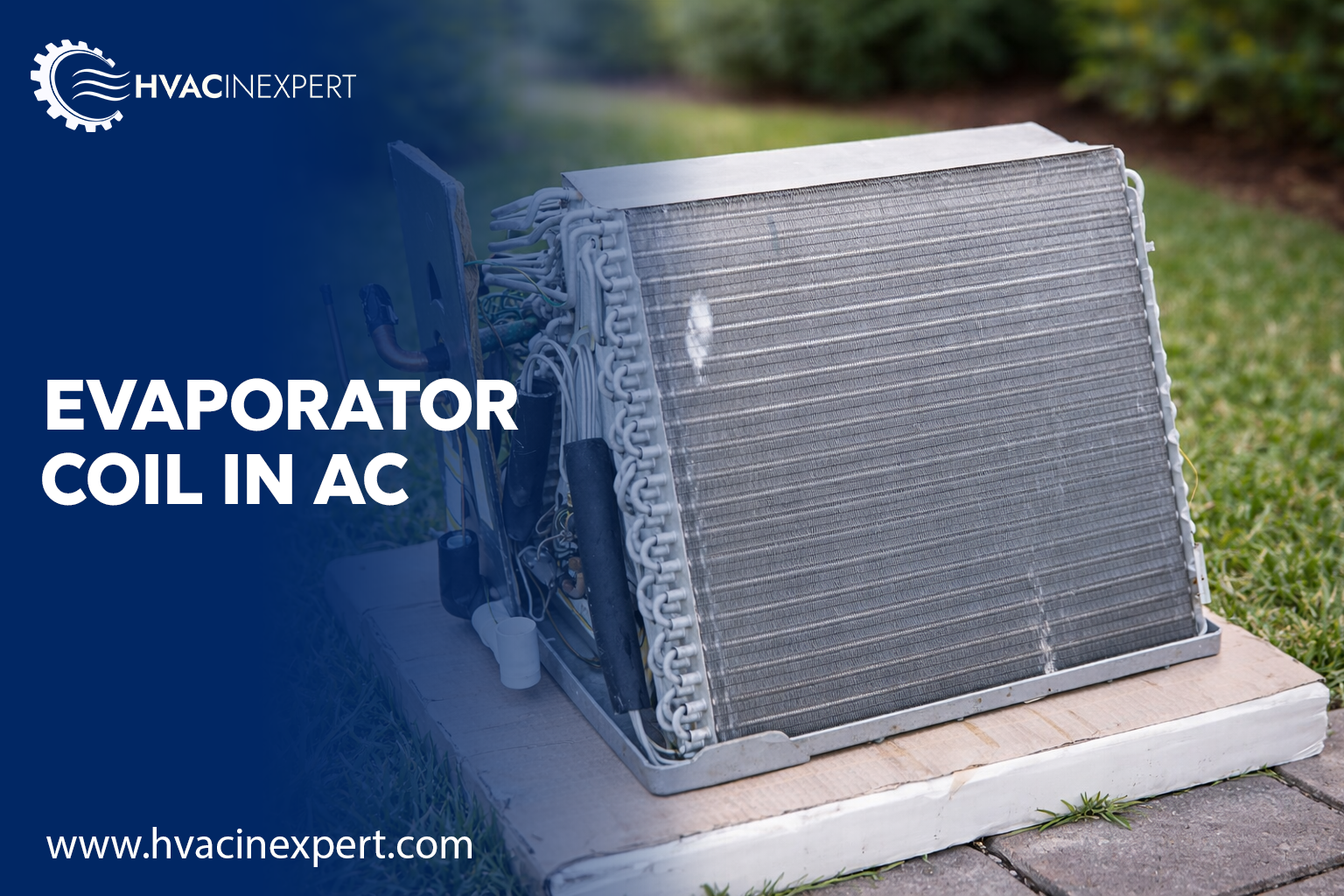
Evaporator Coil in AC: Complete Guide to Working, Types, Problems & Maintenance
Introduction
The evaporator coil is one of the most important components in an air conditioning system. While many people focus on compressors or condensers, the evaporator coil is actually where cooling happens.
Without it, your AC cannot absorb heat or provide cool air.
In this detailed guide, you’ll learn:
- What an evaporator coil is
- How it works
- Types of evaporator coils
- Common problems
- Cleaning and maintenance tips
- Advanced HVAC insights
What is an Evaporator Coil?
Definition
An evaporator coil is a heat exchanger inside the indoor unit of an AC that:
- Absorbs heat from indoor air
- Helps in cooling the space
- Works with refrigerant
Location in AC System
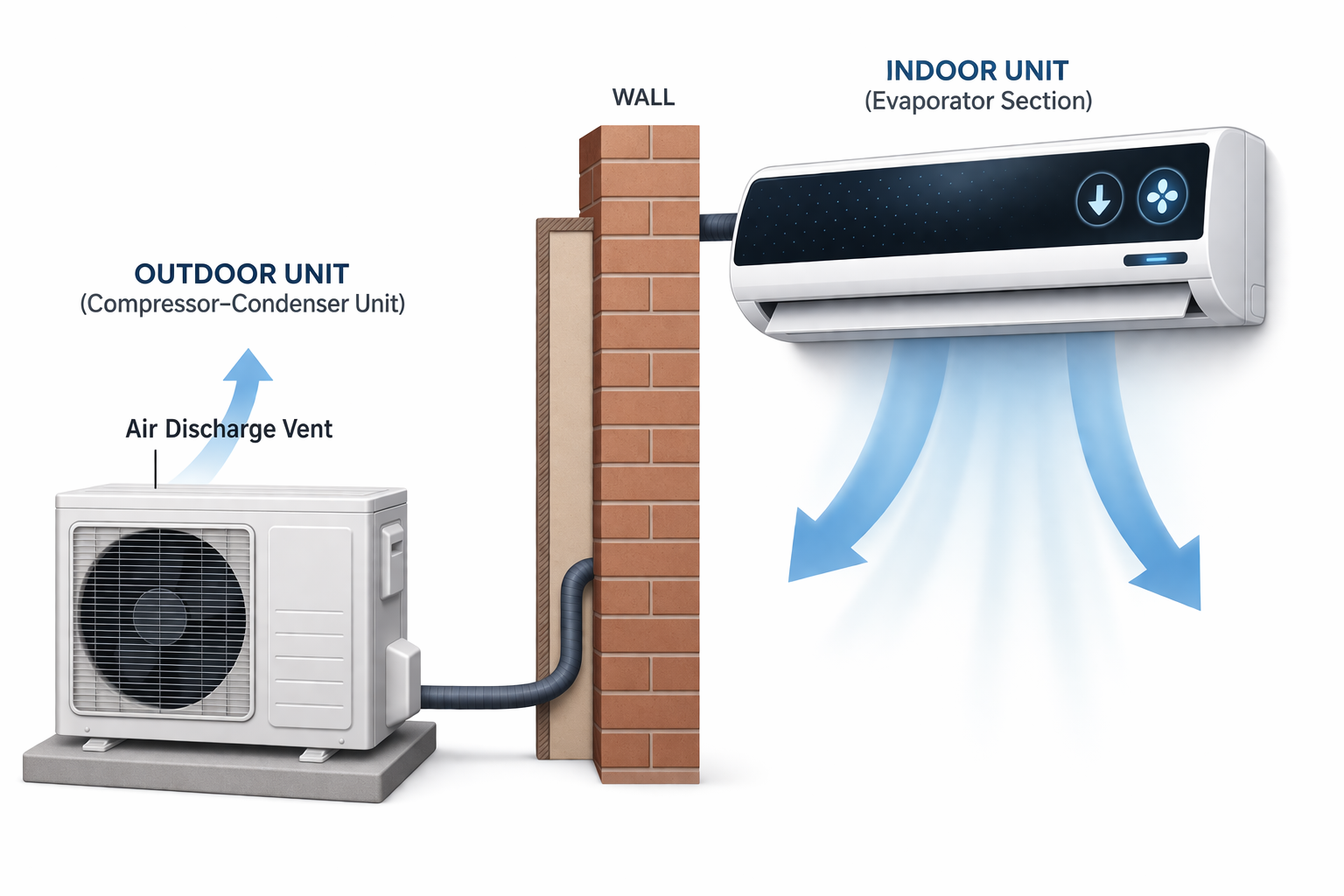
- Located inside indoor unit (split AC)
- Near air handler or blower
- Inside duct system (central HVAC)
Why Evaporator Coil is Important
- Main cooling component
- Controls indoor temperature
- Improves comfort
- Helps remove humidity
Working Principle of Evaporator Coil
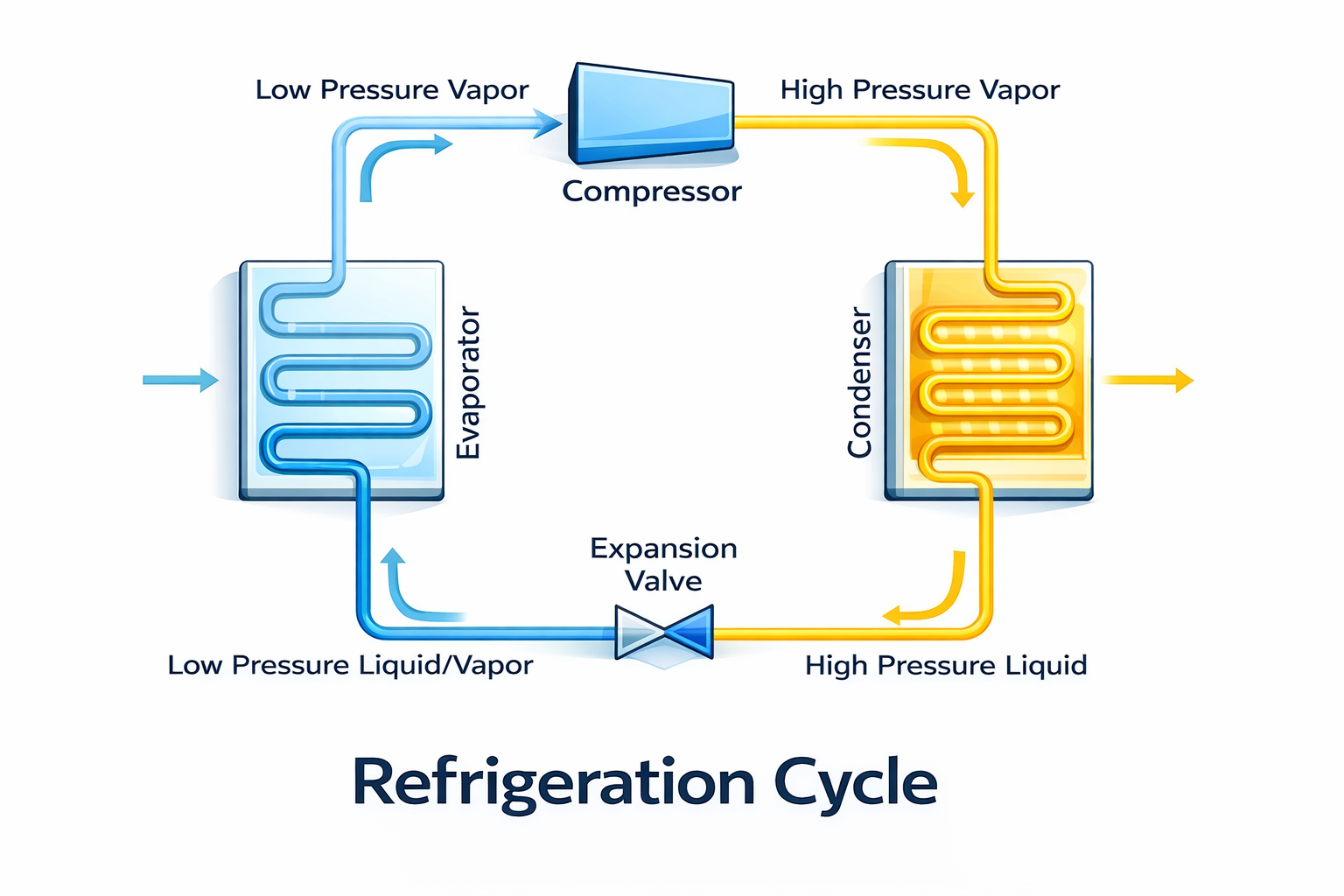
The evaporator coil works on the principle of heat absorption.
Step-by-Step Working
1. Low-Pressure Refrigerant Enters Coil
- Cold refrigerant enters evaporator
2. Warm Air Passes Over Coil
- Blower pushes warm air
3. Heat Absorption
- Refrigerant absorbs heat
4. Cooling Effect
- Air becomes cool
5. Refrigerant Evaporates
- Liquid turns into gas
Refrigeration Cycle Role
Evaporator is one of four key components:
- Compressor
- Condenser
- Expansion device
- Evaporator coil
Types of Evaporator Coils
1. Bare Tube Coil
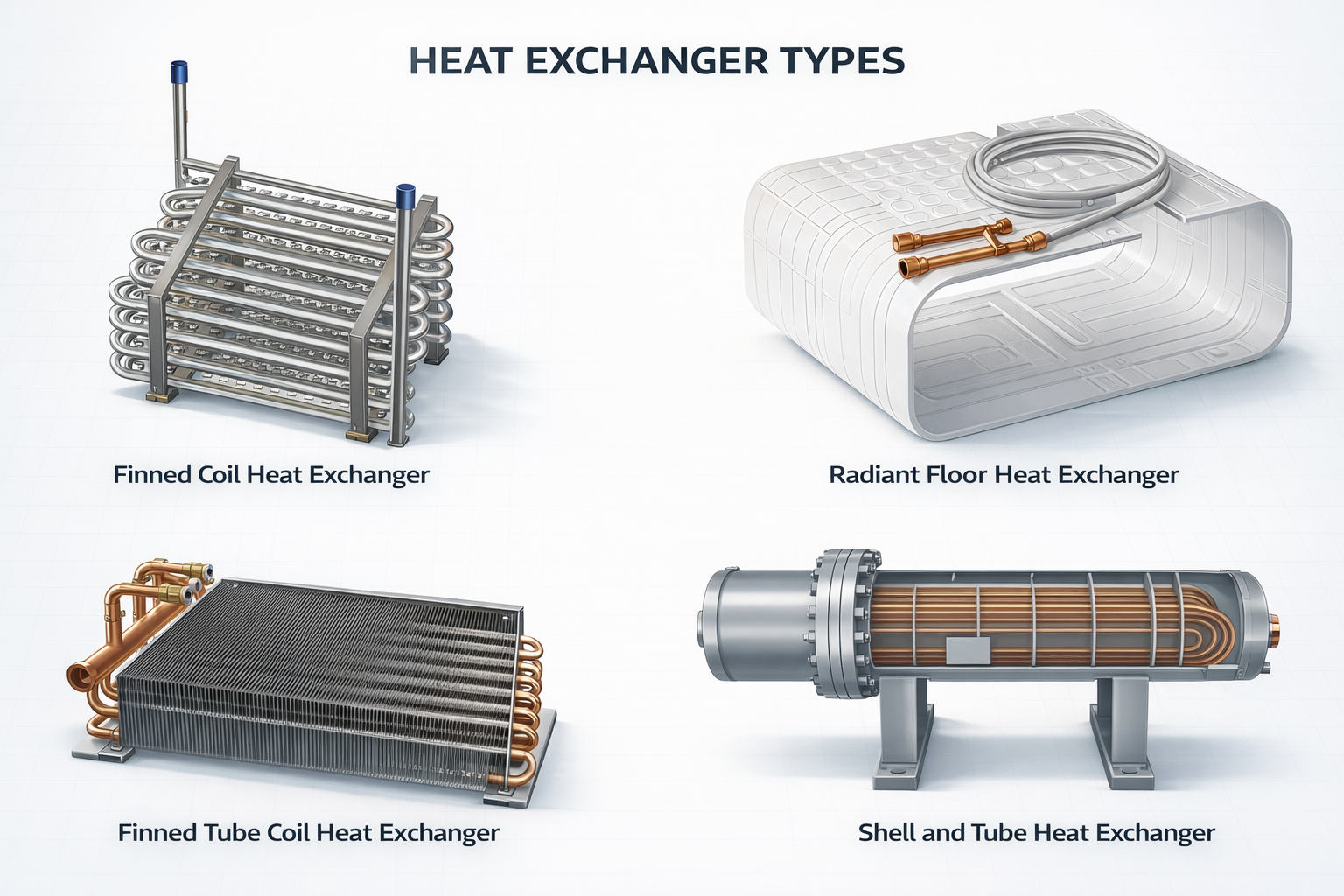
Features:
- Simple design
- Low efficiency
2. Finned Tube Coil
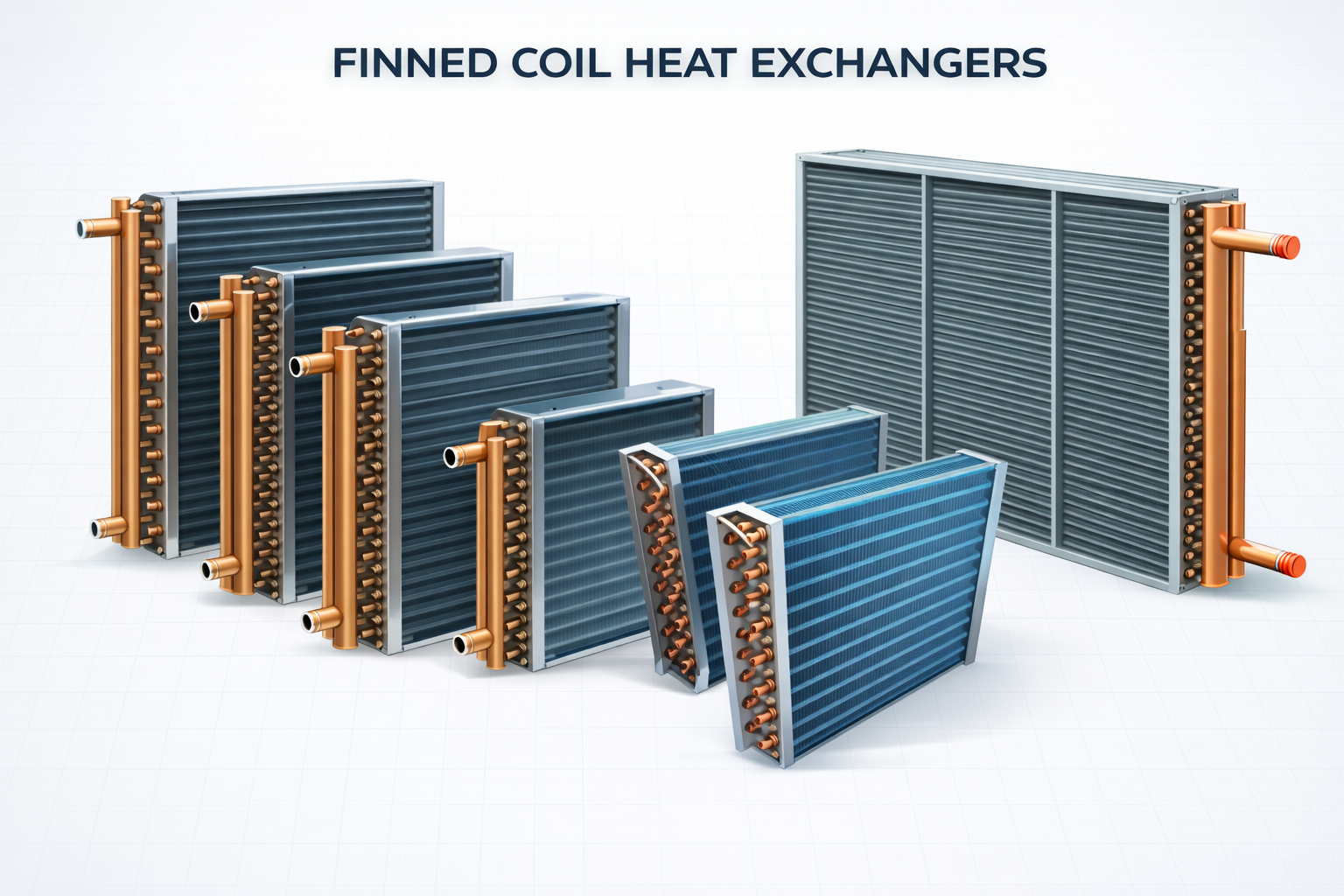
Features:
- Higher efficiency
- Larger surface area
3. Plate Coil
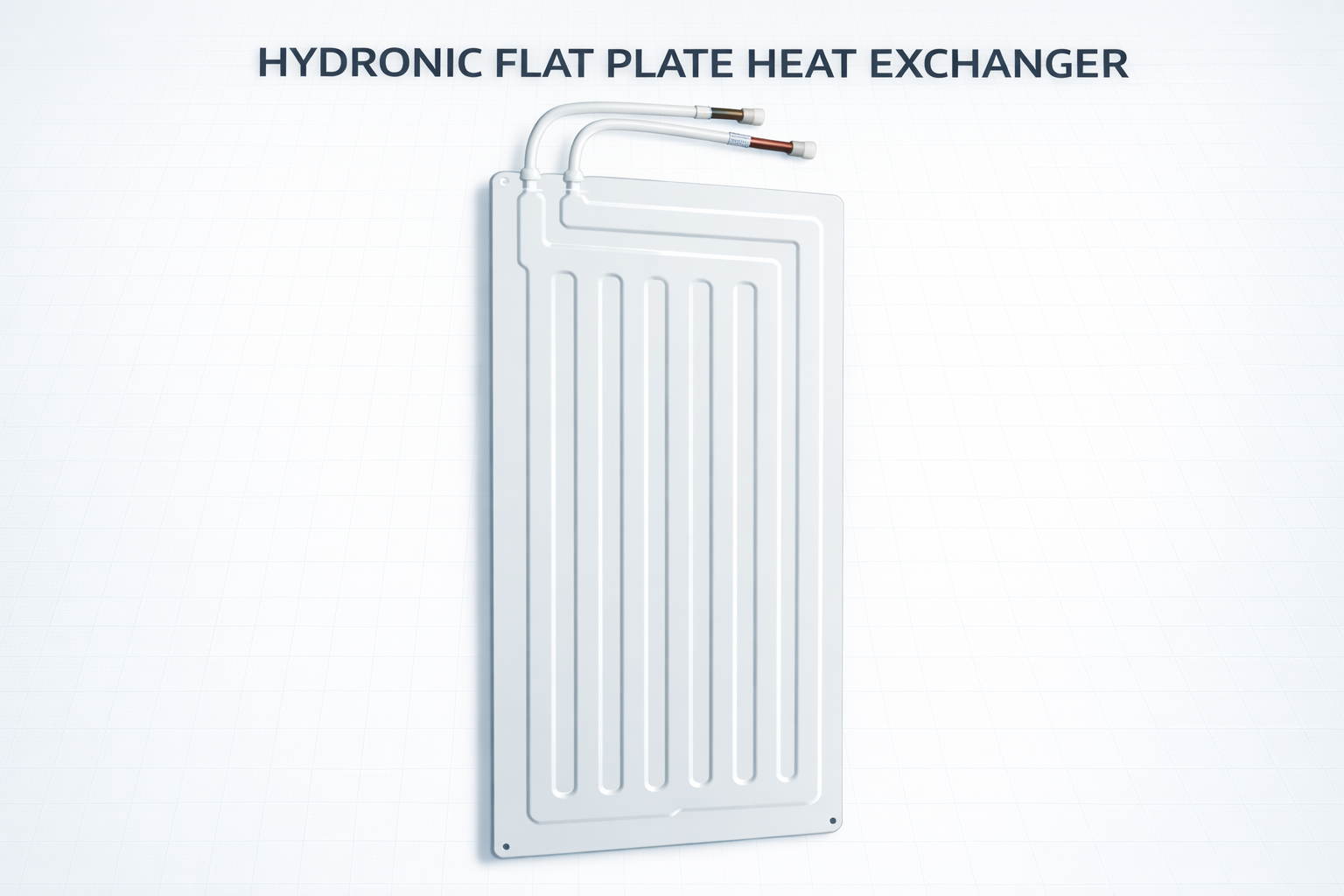
Features:
- Used in refrigerators
- Compact
4. Microchannel Coil
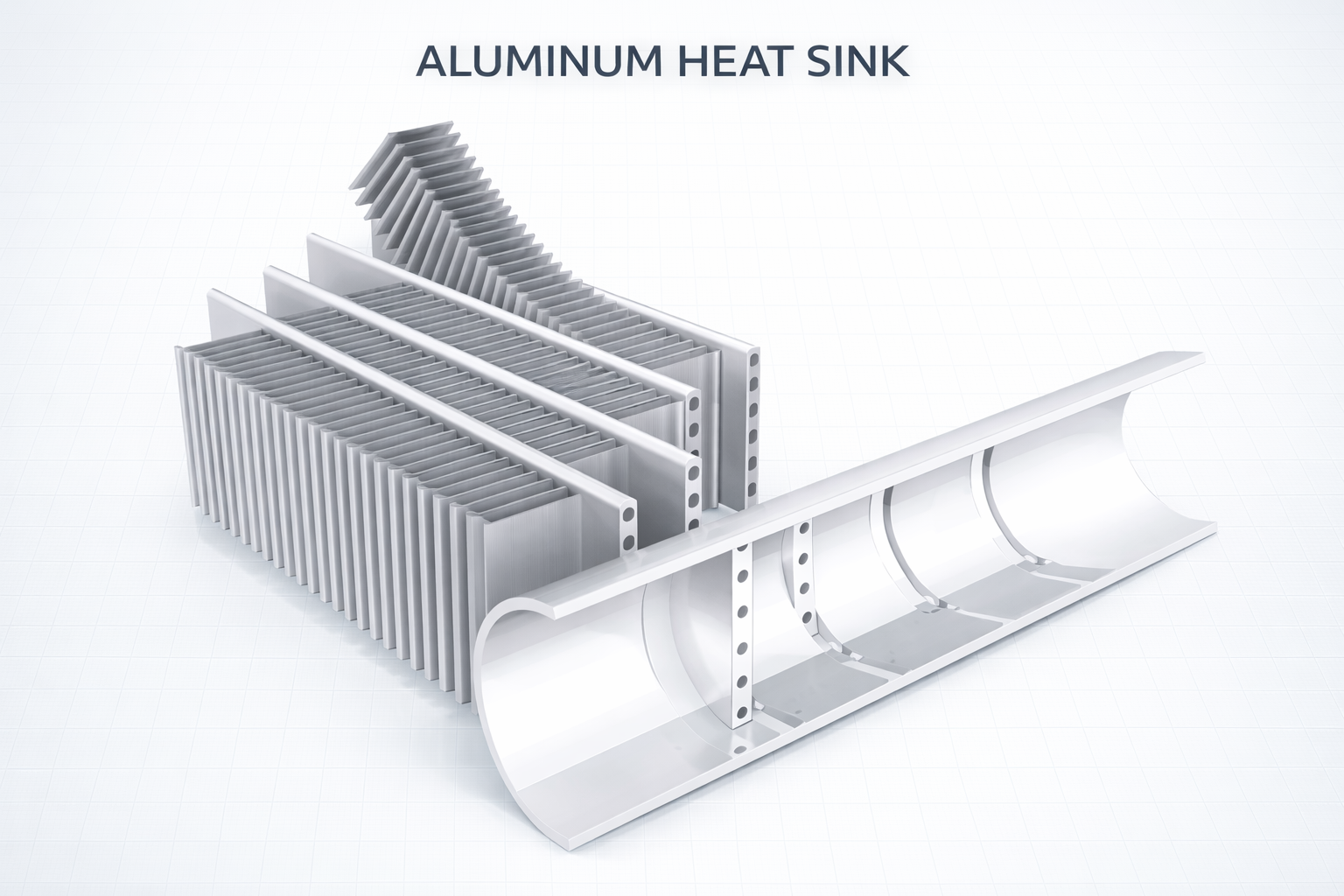
Features:
- Lightweight
- High efficiency
- Modern AC systems
Materials Used in Evaporator Coil
1. Copper Coil
- High heat transfer
- Durable
2. Aluminum Coil
- Lightweight
- Cost-effective
3. Copper-Aluminum Combination
- Balanced performance
Evaporator Coil in Different AC Systems
Split AC
- Located in indoor unit
Window AC
- Front section
Central HVAC
- Inside air handler
VRF System
- Multiple indoor coils
Common Problems in Evaporator Coil
1. Coil Freezing
Causes:
- Low refrigerant
- Dirty coil
- Poor airflow
2. Dirt Accumulation
Effects:
- Reduced cooling
- Higher energy consumption
3. Refrigerant Leakage
Symptoms:
- Low cooling
- Hissing sound
4. Corrosion
- Reduces lifespan
- Causes leaks
Signs of Bad Evaporator Coil
- Weak cooling
- Ice formation
- Water leakage
- High electricity bill
How to Clean Evaporator Coil
Step-by-Step Guide
- Turn off AC
- Open indoor unit
- Use coil cleaner spray
- Clean fins carefully
- Dry completely
Maintenance Tips
- Clean filters regularly
- Keep airflow proper
- Check refrigerant level
- Schedule yearly servicing
Evaporator Coil vs Condenser Coil
| Feature | Evaporator Coil | Condenser Coil |
|---|---|---|
| Location | Indoor | Outdoor |
| Function | Absorbs heat | Releases heat |
| Temperature | Cold | Hot |
Advantages of Good Evaporator Coil
- Efficient cooling
- Energy saving
- Better air quality
Disadvantages
- Requires maintenance
- Sensitive to dirt
- Expensive repair
Future of Evaporator Coils
- Nano-coating technology
- Smart sensors
- Eco-friendly materials
Conclusion
The evaporator coil is the core cooling component of any air conditioning system. It absorbs heat and creates the cooling effect we experience.
Proper understanding and maintenance of the evaporator coil can:
- Improve efficiency
- Reduce energy cost
- Extend AC lifespan
FAQs
1. What does evaporator coil do in AC?
It absorbs heat from indoor air to provide cooling.
2. Why evaporator coil freezes?
Due to low refrigerant or airflow issues.
3. How often should evaporator coil be cleaned?
At least once a year.
4. Which is better copper or aluminum coil?
Copper is more durable; aluminum is cost-effective.
5. Can evaporator coil be repaired?
Yes, but replacement is often recommended in severe damage.