Heat Pump Prices Are Rising – Here’s Why?
Heat Pump Prices Are Rising in 2026 – Here’s Why (Complete Guide for Homeowners & HVAC Dealers)
If you’re planning to buy a heat pump in 2026, you’ve probably noticed something shocking…
Prices are going up — fast.
Many homeowners and even HVAC dealers are asking:
- Why are heat pump prices increasing so much?
- Should I buy now or wait?
- Will prices go down again?
Here’s the truth:
Heat pump prices are rising globally — and this trend is not temporary.
In this detailed guide, you’ll discover:
- The real reasons behind rising prices
- Hidden industry changes nobody is talking about
- How to save money before prices go even higher
The Real Problem: Why Heat Pump Prices Are Increasing
Let’s break down the main reasons behind rising costs in 2026.
1. Rising Raw Material Costs
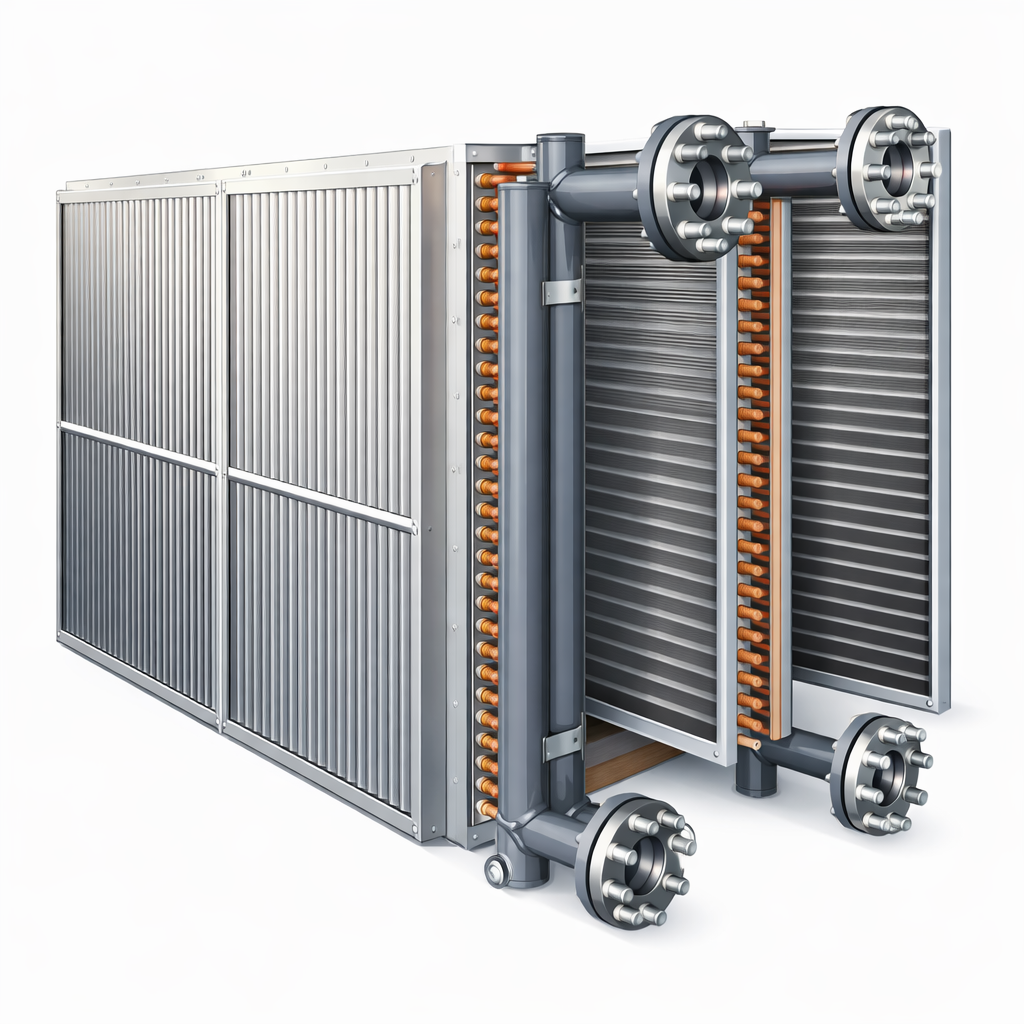
Heat pumps rely on materials like:
- Copper (for coils)
- Aluminum
- Steel
- Electronic components
Prices of these materials have increased globally due to:
- Supply chain disruptions
- Mining limitations
- Increased industrial demand
Result: Manufacturing cost = higher → Product price = higher
2. Massive Demand Boom Worldwide
The biggest driver? Explosive demand
Countries like:
- Germany
- France
- United Kingdom
are pushing heat pumps as a replacement for gas systems.
Governments are promoting:
- Carbon reduction
- Energy efficiency
- Electrification
Result:
- Demand High
- Supply struggles
- Prices increase
3. Electricity-Based Heating Shift
The world is moving away from:
- Gas boilers
- Oil heating systems
Towards:
- Heat pumps
- Electric solutions
This transition is driven by climate goals and sustainability policies.
More demand + limited production = price surge
4. Advanced Technology = Higher Cost
Modern heat pumps now include:
- Inverter compressors
- Smart IoT controls
- AI-based efficiency systems
These features improve performance but increase:
- Manufacturing cost
- R&D investment
Example: Premium brands like Daikin and Mitsubishi Electric are investing heavily in next-gen systems.
5. Logistics & Import Costs
Global shipping costs remain unstable.
Issues include:
- Fuel price fluctuations
- Container shortages
- Import duties
Especially impacts countries like India that rely on imports.
6. Limited Manufacturing Capacity
Heat pump factories cannot scale overnight.
- New plants take years to build
- Skilled labor is limited
Supply cannot match demand → Prices rise
7. Government Regulations & Standards
New environmental rules:
- Low-GWP refrigerants
- Higher efficiency standards
These increase production cost but improve sustainability.
The Impact on Buyers (Reality Check)
What This Means for You
- Prices may rise 10–30% in next few years
- Premium brands will become even costlier
- Installation costs will also increase
Waiting may cost you MORE, not less
Solutions: How to Save Money Despite Rising Prices
1. Buy Early (Timing is Everything)
Best strategy: Don’t delay
Prices are expected to:
- Increase yearly
- Spike during peak demand seasons
2. Choose the Right Capacity
Oversizing = higher cost + waste
Undersizing = poor performance
Use proper load calculation
3. Compare Brands Smartly
Don’t just go for premium brands.
Compare:
- Efficiency (COP/SCOP)
- Warranty
- Service network
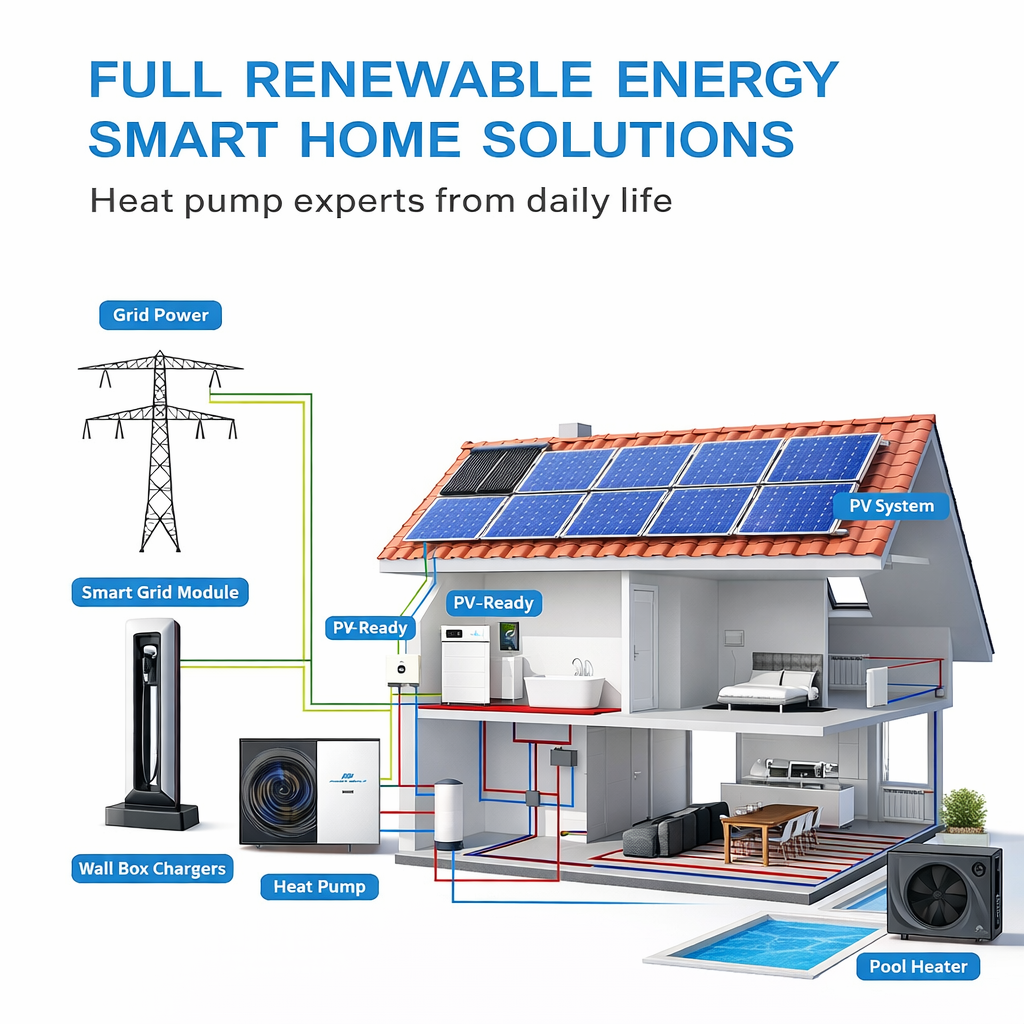
4. Combine with Solar Energy
Reduce running cost by:
- Installing solar panels
- Using hybrid systems
5. Look for Government Subsidies
Some regions offer:
- Incentives
- Tax benefits
Always check local policies
Expert Tips (From HVAC Industry Experience)
Tip 1: Focus on Efficiency, Not Just Price
A cheaper system may cost more in the long run.
Always check:
- Energy rating
- COP value
Tip 2: Installation Quality Matters More Than Brand
Even the best system fails if installed poorly.
Choose experienced HVAC professionals
Tip 3: Plan for Long-Term Use
Heat pump = long-term investment (10–15 years)
Tip 4: Future-Proof Your System
Choose systems compatible with:
- Smart home tech
- Future refrigerants
Tip 5: Consider Total Cost of Ownership
Include:
- Purchase cost
- Electricity cost
- Maintenance
Not just upfront price
Future Prediction (2026–2030)
- Heat pump demand will continue rising
- Prices may stabilize after 2028
- Technology will improve further
Early adopters will benefit the most
Common Mistakes to Avoid
- Waiting too long
- Choosing based only on price
- Ignoring installation quality
- Not checking energy efficiency
Final Verdict
- Yes, heat pump prices are rising in 2026
- And this trend is likely to continue
Smart buyers:
- Invest early
- Choose wisely
- Focus on long-term savings
Call to Action
If you’re planning to install a heat pump:
Don’t wait for prices to drop — they may rise further
Need expert advice or system recommendation?
Contact your local HVAC expert today. or Contact Us.
 Call: +91 9825636606
 Email: info@vipulhvacsolution.in
 Visit: www.vipulac.in
FAQ Section
Q1. Why are heat pump prices increasing in 2026?
Due to rising demand, raw material costs, and new regulations.
Q2. Will heat pump prices go down?
Unlikely in short term; may stabilize after a few years.
Q3. Is it a good time to buy a heat pump?
Yes, buying early can save money before further price increases.
Q4. Are heat pumps worth the cost?
Yes, they offer long-term energy savings and efficiency.