Heat Pump vs Gas Furnace
Heat Pump vs Gas Furnace – Which Is Better in 2026? (Complete Expert Guide)
Introduction
Imagine waking up on a freezing winter morning…
You walk barefoot across your floor, expecting warmth—but instead, you feel a cold shock. Your heating system failed again. Bills are rising. Repairs are constant. And now you’re asking yourself:
“Did I choose the wrong heating system?”
This is the exact dilemma millions of homeowners face today.
With energy prices rising, climate concerns growing, and new technologies emerging, the battle between heat pumps vs gas furnaces has become more important than ever in 2026.
Whether you’re:
- Building a new home
- Replacing an old system
- Or trying to cut energy bills
Choosing the wrong system can cost you lakhs over time.
But don’t worry.
This guide will break everything down in simple, practical, real-world terms so you can confidently decide:
Which is better: Heat Pump or Gas Furnace?
Common Problems Homeowners Face
Before choosing, let’s understand the real problems people face with heating systems:
Rising Energy Bills
- Gas prices fluctuating unpredictably
- Electricity tariffs increasing in urban areas
- Inefficient old systems consuming excess energy
Inconsistent Heating
- Some rooms hot, others cold
- Poor airflow distribution
- Slow heating response
High Installation Costs
- New system = heavy upfront investment
- Duct modifications required
- Gas line installation (extra cost)
Maintenance Headaches
- Furnace burners getting dirty
- Heat pump coils freezing
- Frequent servicing needs
Environmental Concerns
- Gas furnaces emit carbon
- Increasing pressure for eco-friendly homes
Climate Compatibility Issues
- Heat pumps struggle in extreme cold (in some regions)
- Furnaces waste energy in mild climates
Space Constraints
- Outdoor unit vs indoor furnace
- Installation limitations in apartments
These problems are exactly why choosing the right system matters.
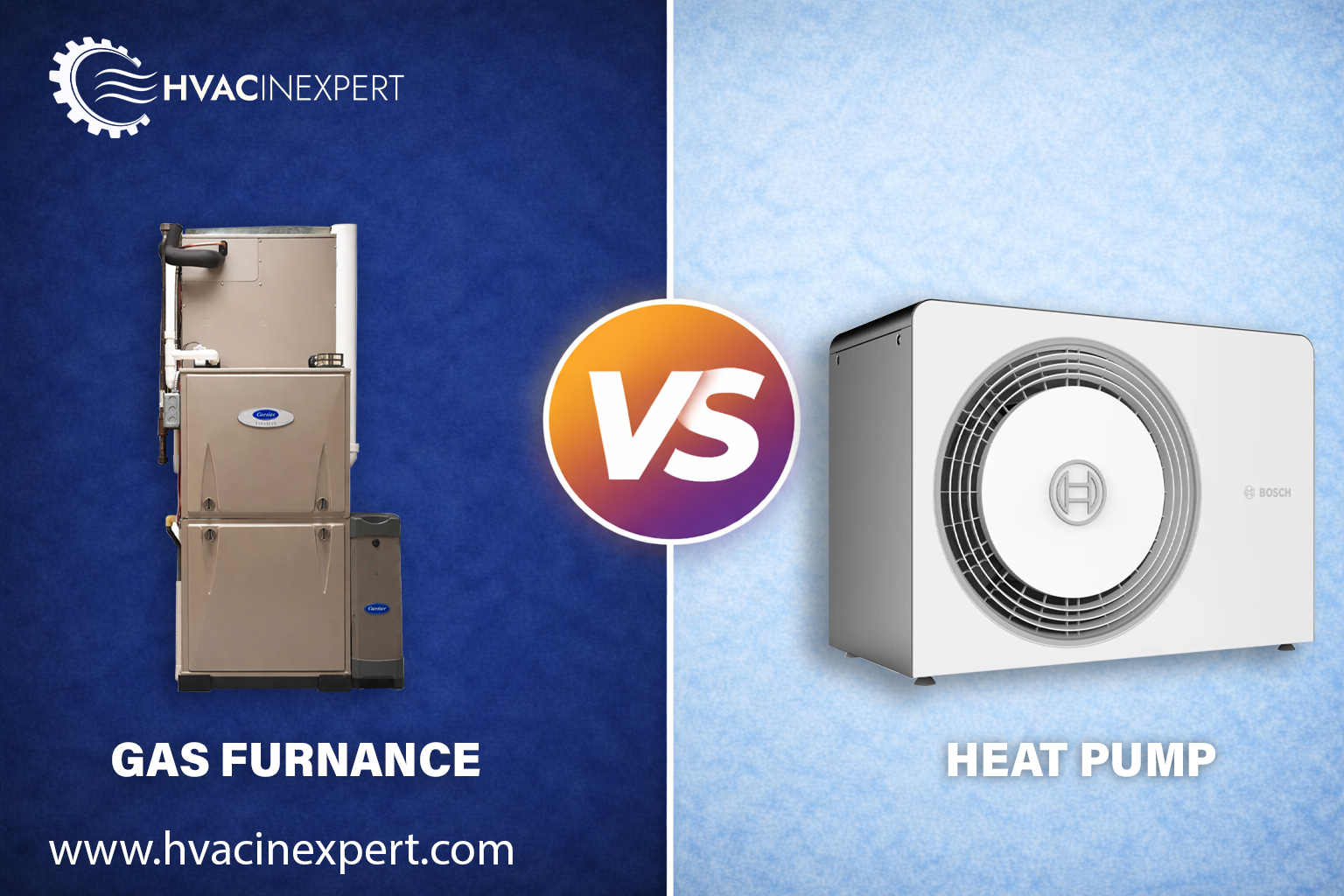
What Is a Heat Pump?
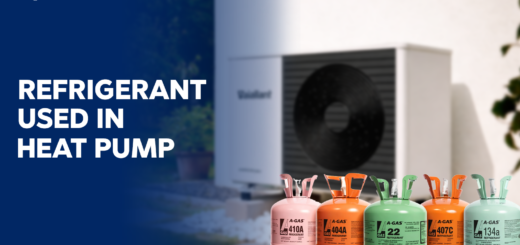
A heat pump doesn’t generate heat—it transfers heat.
- In winter → pulls heat from outside air into your home
- In summer → works like an AC (cooling mode)
Key Benefits:
- Dual function (heating + cooling)
- Highly energy efficient
- Lower operating cost in many regions
- Eco-friendly
Limitations:
- Less effective in extremely cold climates
- Higher upfront cost
What Is a Gas Furnace?
A gas furnace burns natural gas to produce heat.
- Generates heat quickly
- Pushes warm air through ducts
Key Benefits:
- Powerful heating
- Works well in very cold climates
- Lower initial cost (sometimes)
Limitations:
- Higher energy bills long-term
- Carbon emissions
- No cooling function
Heat Pump vs Gas Furnace – Core Differences
| Feature | Heat Pump | Gas Furnace |
|---|---|---|
| Energy Source | Electricity | Natural Gas |
| Efficiency | Very High (300%+) | Moderate (80–98%) |
| Heating Speed | Moderate | Fast |
| Cooling | Yes | No |
| Installation Cost | High | Medium |
| Running Cost | Low | Medium–High |
| Environmental Impact | Low | High |
| Best For | Mild–Moderate Climate | Cold Climate |
Solutions: Which One Should YOU Choose?
Now comes the most important part :
Choose a Heat Pump If:
- You live in moderate climate (like most of India, Europe)
- You want both heating + cooling
- You want to reduce electricity bills long-term
- You prefer eco-friendly solutions
- You plan long-term savings
Best for:
- Urban homes
- Apartments
- Smart homes
- Energy-conscious users
Choose a Gas Furnace If:
- You live in extremely cold regions
- You need instant powerful heating
- Gas is cheaper in your area
- You already have gas infrastructure
Best for:
- North America cold zones
- Heavy snowfall regions
- Large independent homes
Cost Comparison (2026 Realistic Insight)
Heat Pump Costs
- Installation: ₹2.5L – ₹8L+
- Monthly bills: Low
- Maintenance: Moderate
Gas Furnace Costs
- Installation: ₹1.5L – ₹5L
- Monthly bills: Medium–High
- Maintenance: High (burner cleaning, etc.)
Verdict:
Heat pump = Higher upfront, lower long-term
Gas furnace = Lower upfront, higher long-term
Energy Efficiency Comparison
Heat pumps are game changers.
- Heat pump efficiency: 300%–400%
- Gas furnace efficiency: 80%–98%
Why?
Heat pumps move heat, not create it.
Result:
You get 3–4 units of heat for 1 unit of electricity
Climate-Based Decision Guide
Mild Climate (India, Europe, UK)
Winner: Heat Pump
Cold Climate (Canada, Northern US)
Winner: Gas Furnace (or Hybrid system)
Mixed Climate
Best: Dual system (Hybrid HVAC)
Hybrid System (Best of Both Worlds)
This is where smart homeowners win
Combine:
- Heat Pump (for moderate weather)
- Gas Furnace (for extreme cold)
Benefits:
- Maximum efficiency
- Lowest energy bills
- Smart switching
This is becoming the #1 trend in 2026 HVAC market
Expert Tips (Highly Valuable)
Tip 1: Don’t Choose Based Only on Price
Cheap today = expensive tomorrow
Tip 2: Always Check COP & AFUE
- Heat pump → COP (Coefficient of Performance)
- Furnace → AFUE rating
Tip 3: Installation Matters More Than Brand
A poorly installed system = 30% efficiency loss
Tip 4: Consider Solar Integration
Heat pumps + solar = near-zero energy cost
Tip 5: Smart Thermostats Are Must
Save 10–25% energy automatically
Tip 6: Future-Proof Your Home
Gas restrictions are increasing globally
Heat pumps are future-ready
Future Trends (2026–2030)
- Governments pushing electric heating
- Gas systems slowly declining
- Heat pump adoption rising globally
- AI-based HVAC optimization
Conclusion:
Heat pumps are the future of heating
Final Verdict – Which Is Better?
If you want a simple answer:
- Save money long-term → Heat Pump
- Extreme cold → Gas Furnace
- Best performance overall → Hybrid System
Call To Action
If you’re serious about upgrading your HVAC system in 2026…
Don’t guess. Don’t rely on outdated advice.
Analyze your:
- Climate
- Budget
- Energy costs
- Long-term goals
And if you want professional HVAC consultation, system design, or installation support:
Connect with Vipul HVAC Solution Pvt Ltd today
 Call: +91 9825636606
 Email: info@vipulhvacsolution.in
 Visit: www.vipulac.in
Get:
- Custom heat pump sizing
- Energy savings calculation
- Installation planning
- Smart HVAC solutions
Final Thought
The real question isn’t:
“Heat Pump vs Gas Furnace?”
It’s:
“Which system will save me the most money, comfort, and future stress?”
Choose wisely—because your heating system is not just a machine…
It’s your comfort, your cost, and your future.
Frequently Asked Questions (FAQ)
1. Is a heat pump better than a gas furnace?
A heat pump is better for energy efficiency and long-term savings, especially in moderate climates. A gas furnace is better for extremely cold regions where stronger heating is required.
2. Which is cheaper to run: heat pump or gas furnace?
Heat pumps are generally cheaper to run because they transfer heat instead of generating it. Gas furnaces typically have higher monthly operating costs due to fuel consumption.
3. Can a heat pump replace a gas furnace completely?
Yes, in most moderate climates, a heat pump can fully replace a gas furnace. However, in very cold areas, a hybrid system (heat pump + furnace) is recommended.
4. Do heat pumps work in cold weather?
Modern heat pumps can work efficiently even in cold weather, but their performance may drop in extremely low temperatures below -5°C.
5. What is the lifespan of a heat pump vs gas furnace?
- Heat pump: 10–15 years
- Gas furnace: 15–20 years
Proper maintenance can extend the lifespan of both systems.
6. Which system is more eco-friendly?
Heat pumps are more eco-friendly because they use electricity and produce fewer carbon emissions compared to gas furnaces.
7. Is installation cost higher for heat pumps?
Yes, heat pumps usually have a higher upfront cost compared to gas furnaces, but they save money over time through lower energy bills.
8. Do heat pumps provide cooling as well?
Yes, heat pumps work as both heating and cooling systems, making them a dual-purpose solution.
9. Are gas furnaces being phased out?
In many countries, governments are encouraging electric heating systems, which may reduce the use of gas furnaces in the future.
10. Which is better for India?
For India’s climate, heat pumps are generally the better choice due to moderate temperatures and the need for both heating and cooling.