How Do You Optimize Indoor Air Quality?
How Do You Optimize Indoor Air Quality? (Complete HVAC Guide)
Indoor Air Quality (IAQ) is one of the most critical yet overlooked aspects of modern living. Whether you’re a homeowner, building manager, or HVAC professional, optimizing indoor air quality can significantly improve health, comfort, and energy efficiency.
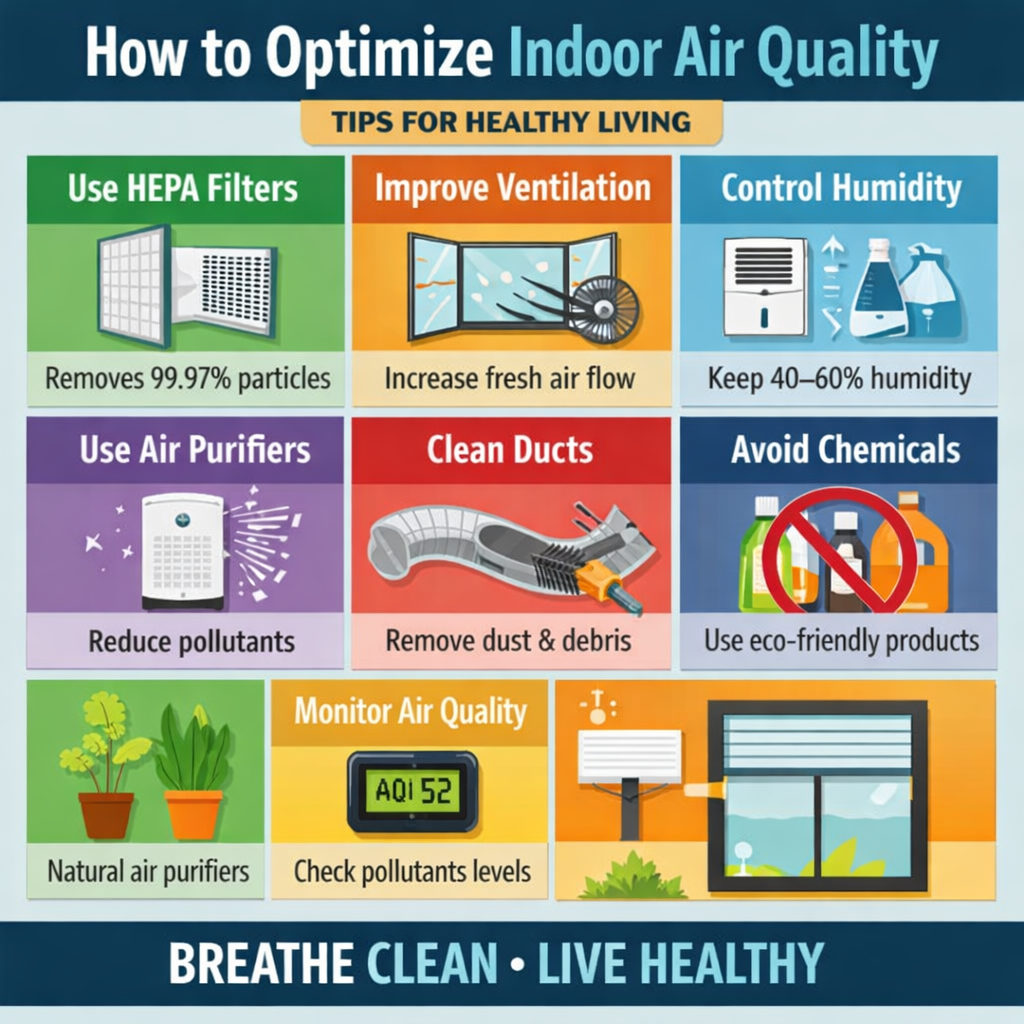
In this guide, you’ll learn everything about IAQ—from causes of poor air quality to advanced optimization strategies, HVAC upgrades, filtration systems, and expert-level solutions.
1. What is Indoor Air Quality (IAQ)?
Indoor Air Quality (IAQ) refers to the condition of air inside buildings, including:
- Temperature
- Humidity
- Pollutant levels
- Air freshness
Good IAQ means clean, healthy, and comfortable indoor air.
2. Why Indoor Air Quality Matters
Health Benefits:
- Reduces allergies
- Prevents respiratory diseases
- Improves sleep
Performance Benefits:
- Better concentration
- Increased productivity
Energy Benefits:
- Efficient HVAC operation
- Lower energy bills
3. Common Indoor Air Pollutants
Major Pollutants:
- Dust & particulate matter (PM2.5, PM10)
- Mold spores
- Volatile Organic Compounds (VOCs)
- Carbon monoxide (CO)
- Pet dander
4. Sources of Indoor Air Pollution
- Cooking fumes
- Cleaning chemicals
- Paints and adhesives
- Poor ventilation
- Dirty HVAC systems
5. Signs of Poor Indoor Air Quality
- Bad odor
- Frequent allergies
- Dust accumulation
- Headaches or fatigue
- Mold growth
6. How to Measure Indoor Air Quality
Tools:
- Air quality monitor
- CO2 meter
- Humidity sensor
Ideal Levels:
- PM2.5: < 25 µg/m³
- Humidity: 40–60%
- CO2: < 1000 ppm
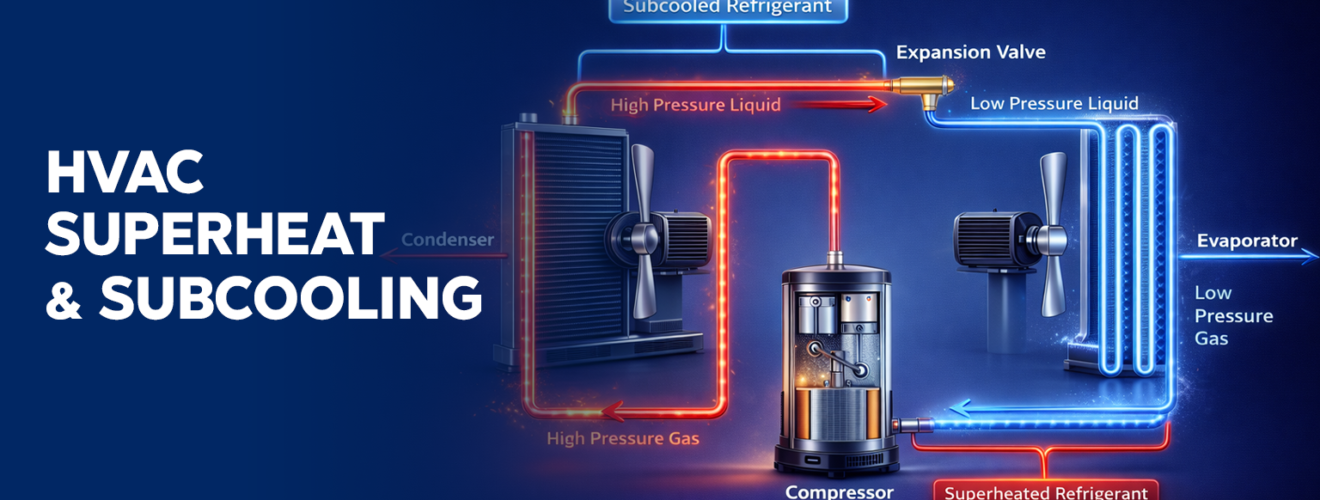
7. HVAC Systems and IAQ
Your HVAC system plays a major role in IAQ.
Functions:
- Air filtration
- Air circulation
- Humidity control
Poor maintenance leads to:
- Dirty air
- Bacterial growth
- Reduced airflow
8. Air Filtration Methods
HEPA Filters
- Removes 99.97% particles
- Ideal for allergies
Activated Carbon Filters
- Removes odors and gases
Electrostatic Filters
- Captures fine particles
9. Ventilation Strategies
Natural Ventilation
- Open windows
- Cross ventilation
Mechanical Ventilation
- Exhaust fans
- Fresh air systems
Advanced Systems:
- ERV (Energy Recovery Ventilator)
- HRV (Heat Recovery Ventilator)
10. Humidity Control Techniques
Ideal Range: 40–60%
Low Humidity:
- Dry skin
- Respiratory issues
High Humidity:
- Mold growth
- Bacteria
Solutions:
- Humidifier
- Dehumidifier
11. Air Purifiers & Technologies
Types:
- HEPA air purifiers
- UV air purifiers
- Ionizers
Benefits:
- Removes pollutants
- Improves breathing
12. Duct Cleaning & Maintenance
Dirty ducts:
- Spread dust
- Reduce airflow
Maintenance Tips:
- Clean annually
- Seal leaks
- Replace insulation
13. Natural Ways to Improve IAQ
Easy Methods:
- Indoor plants
- Open windows
- Reduce chemical usage
- Keep home clean
14. Smart IAQ Technologies
- Smart thermostats
- IAQ sensors
- Automated ventilation systems
15. IAQ for Different Spaces
Homes:
- Use air purifiers
- Clean regularly
Offices:
- Increase ventilation
- Maintain HVAC
Hospitals:
- HEPA filtration
- Strict hygiene
16. Energy Efficiency vs Air Quality
Balancing both is key:
- Tight sealing saves energy
- But reduces ventilation
Solution: Use controlled ventilation systems
17. Common Mistakes to Avoid
- Ignoring filter replacement
- Overusing air fresheners
- Blocking vents
- Poor ventilation
18. Pro Tips for HVAC Dealers
Since you’re an HVAC dealer:
1.Offer IAQ solutions
- Air purifiers
- Filters
- UV systems
2. Educate customers
3. Bundle services
4.Promote AMC plans
19. Conclusion
Optimizing indoor air quality is essential for:
- Health
- Comfort
- Energy efficiency
By combining filtration, ventilation, and proper HVAC maintenance, you can achieve clean and healthy indoor air.
20. FAQs
1. What is indoor air quality?
It refers to the cleanliness and health of indoor air.
2. How can I improve IAQ quickly?
Use air purifiers and increase ventilation.
3. What is the ideal humidity level?
40–60%.
4. Are air purifiers effective?
Yes, especially HEPA-based ones.
5. How often should filters be changed?
Every 1–3 months.
6. Can plants improve air quality?
Yes, but limited impact.
7. What causes poor IAQ?
Pollution, poor ventilation, dirty HVAC.
8. Is ventilation important?
Yes, it removes stale air.
9. What is PM2.5?
Fine particles harmful to lungs.
10. Can HVAC improve IAQ?
Yes, with proper maintenance.