HVAC Components
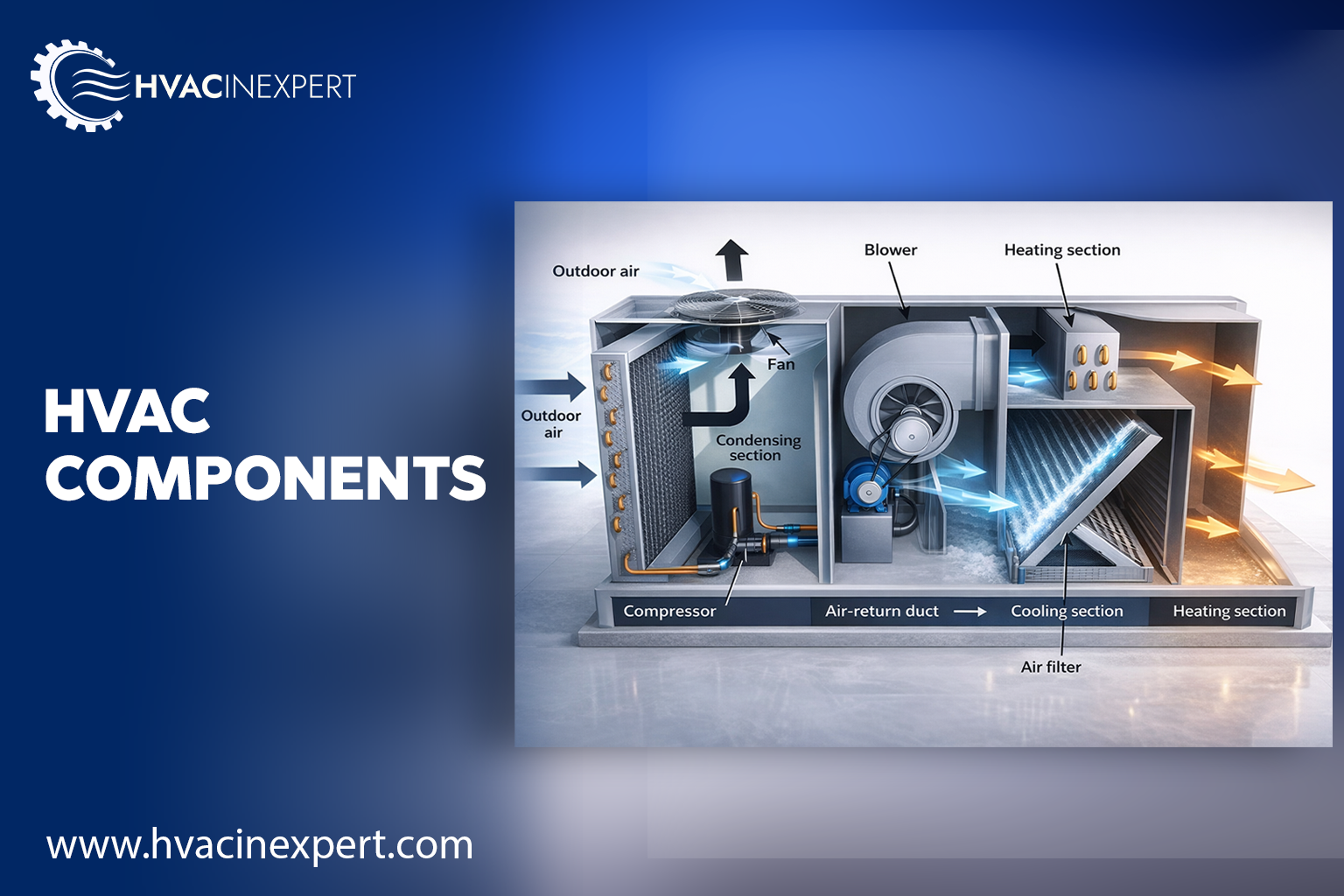
Complete Guide to HVAC Components: Functions, Types, and Working Explained
Introduction
Heating, Ventilation, and Air Conditioning (HVAC) systems are the backbone of modern indoor comfort. Whether it’s a home split AC or a large commercial building system, every HVAC setup is built using multiple components working together.
Understanding HVAC components is essential for:
- HVAC technicians
- Engineers
- Students
- Business owners
- Facility managers
In this complete guide, we will break down every major HVAC component, how it works, and where it is used.
What Are HVAC Components?
HVAC components are the individual parts that make up a complete HVAC system. These components work together to:
- Control temperature
- Maintain air quality
- Regulate humidity
- Ensure proper airflow
Main Categories of HVAC Components
HVAC systems are divided into three major categories:
- Heating Components
- Cooling Components
- Ventilation Components
1. Cooling Components in HVAC
1.1 Compressor
Function
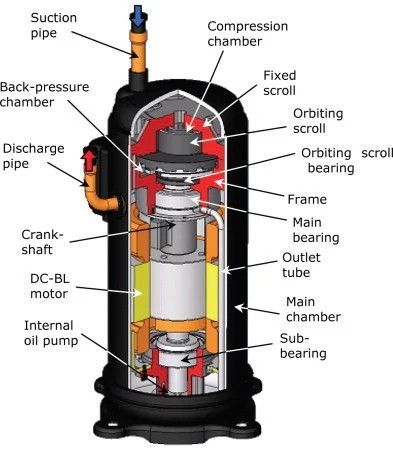
The compressor is the heart of the HVAC system. It compresses refrigerant gas and increases its pressure and temperature.
Types
- Reciprocating compressor
- Scroll compressor
- Screw compressor
- Centrifugal compressor
Importance
Without a compressor, the refrigeration cycle cannot work.
1.2 Condenser
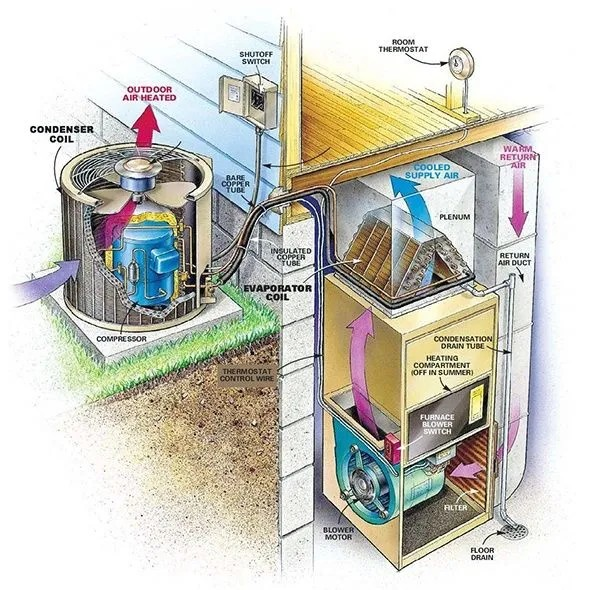
Function
- Releases heat from refrigerant
- Converts gas into liquid
Types
- Air-cooled condenser
- Water-cooled condenser
1.3 Expansion Valve
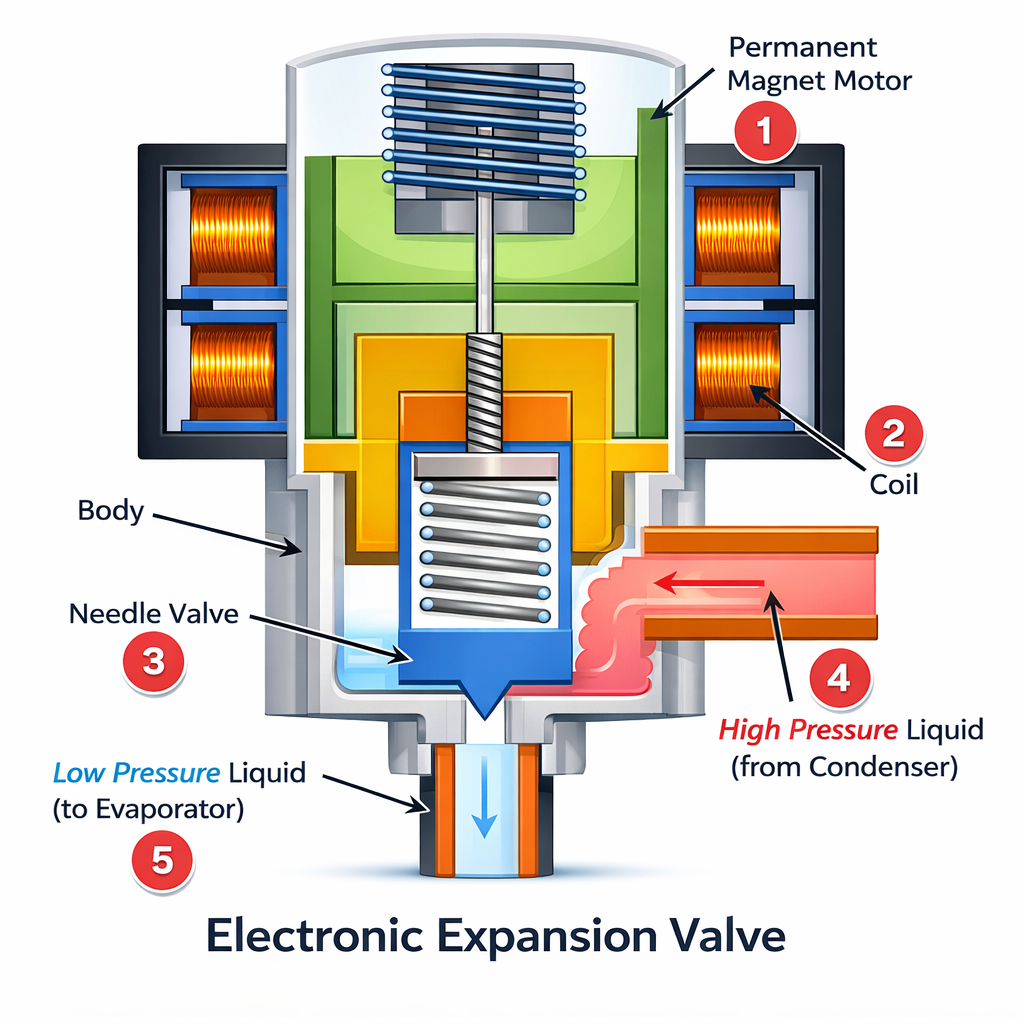
Function
- Reduces refrigerant pressure
- Controls refrigerant flow
Types
- Capillary tube
- TXV (Thermostatic Expansion Valve)
- Electronic Expansion Valve
1.4 Evaporator Coil
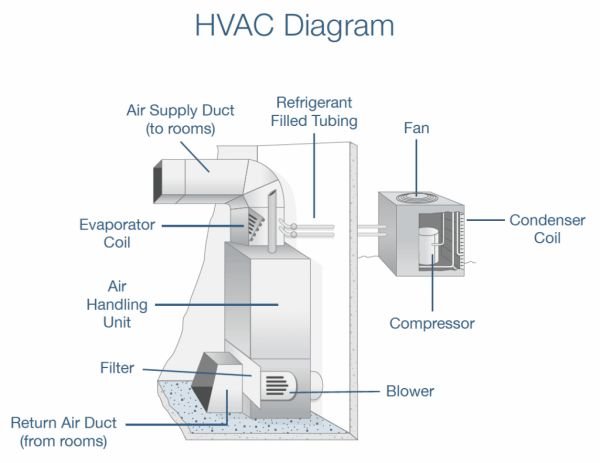
Function
- Absorbs heat from indoor air
- Produces cooling effect
2. Heating Components in HVAC
2.1 Furnace
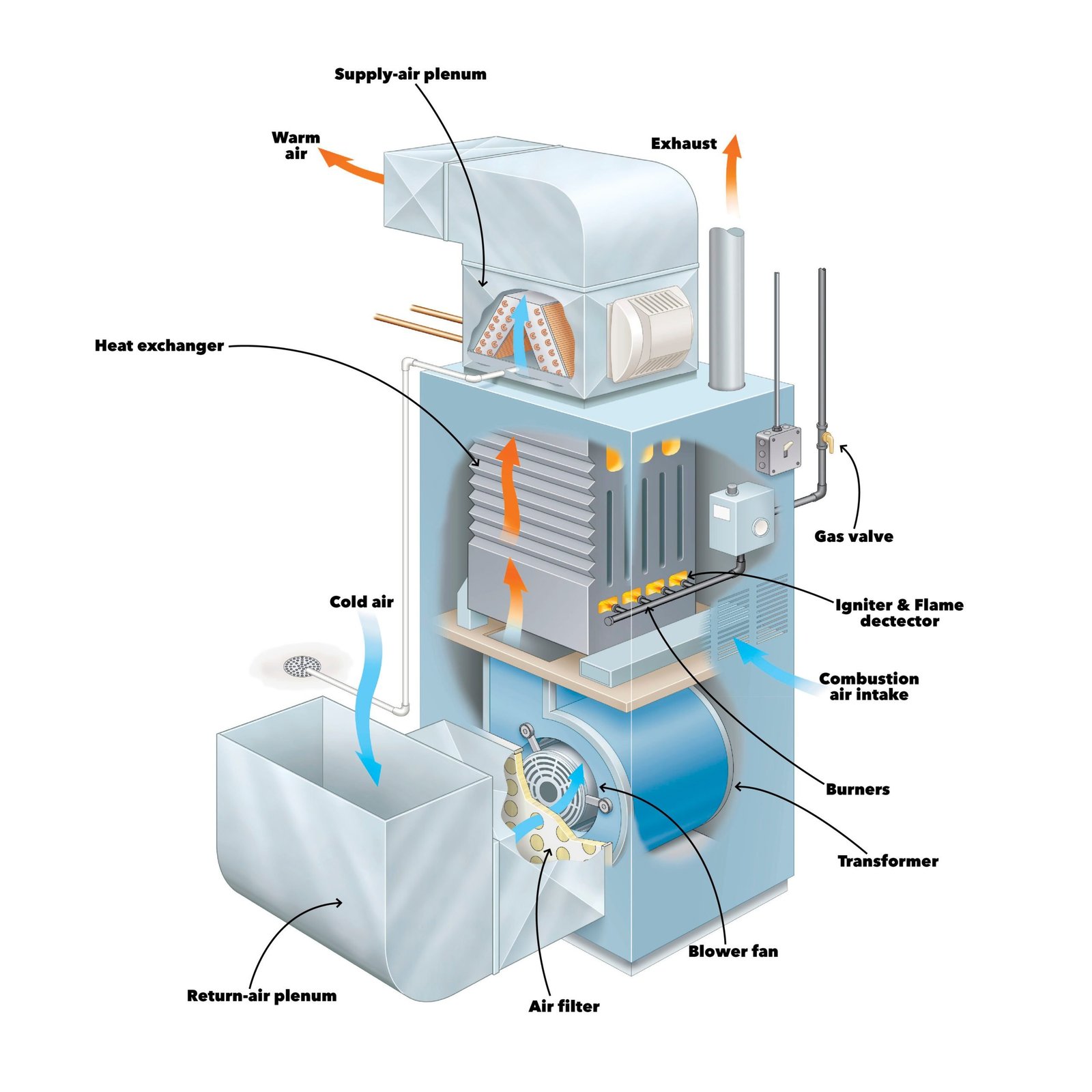
- Generates heat
- Distributes warm air
Types
- Gas furnace
- Electric furnace
2.2 Heat Pump
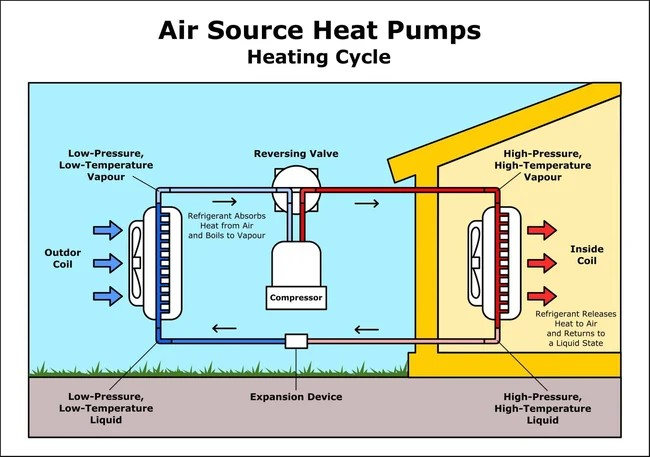
Function
- Provides both heating and cooling
Types
- Air-source heat pump
- Ground-source heat pump
2.3 Boiler
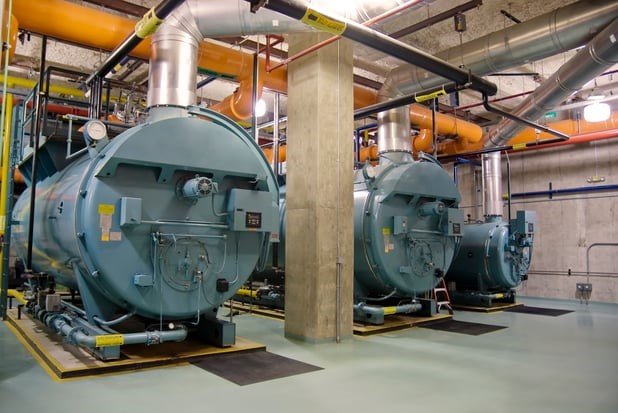
- Heats water
- Supplies steam or hot water
3. Ventilation Components
3.1 Air Handling Unit (AHU)
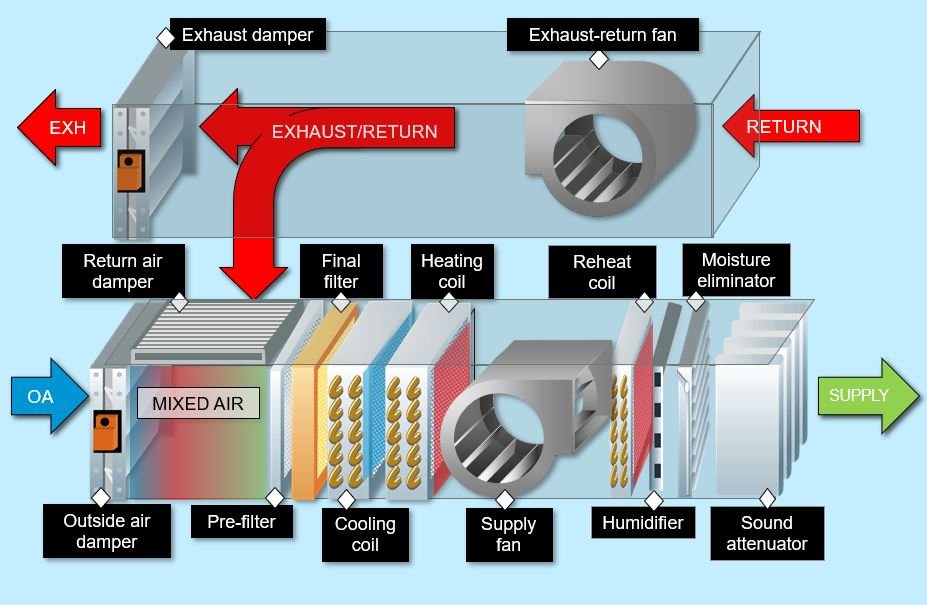
Function
- Circulates air
- Filters air
- Controls temperature
3.2 Duct System
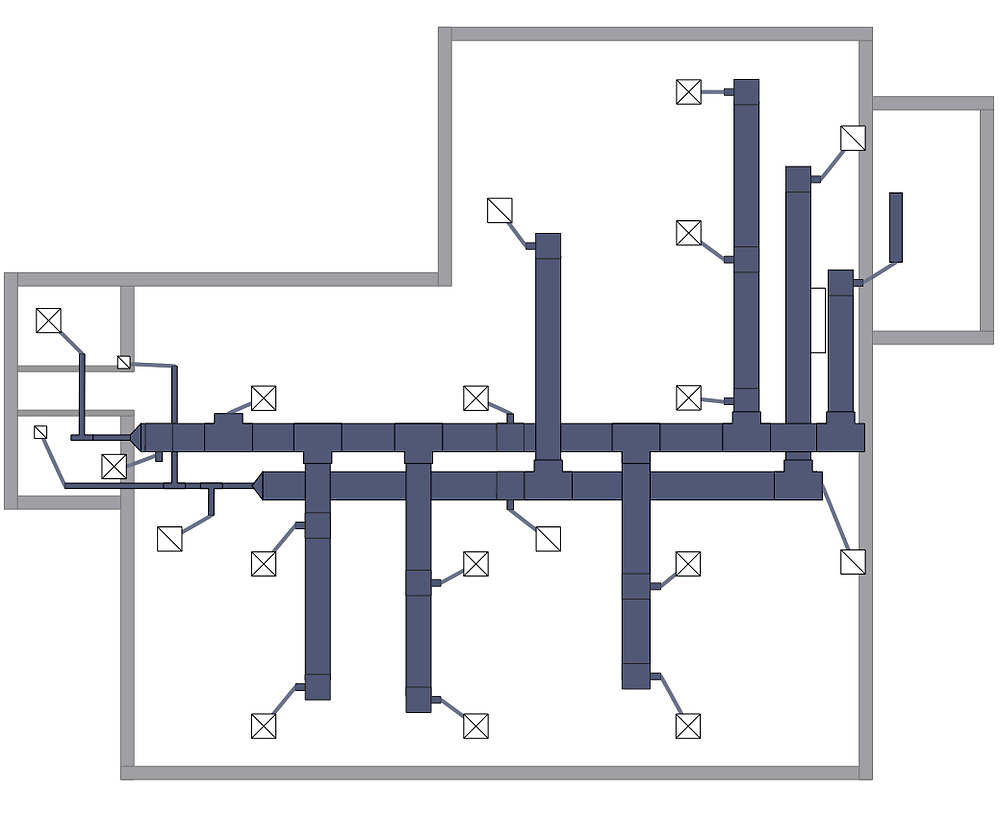
- Distributes air throughout the building
Types
- Flexible ducts
- Rigid ducts
3.3 Air Filters
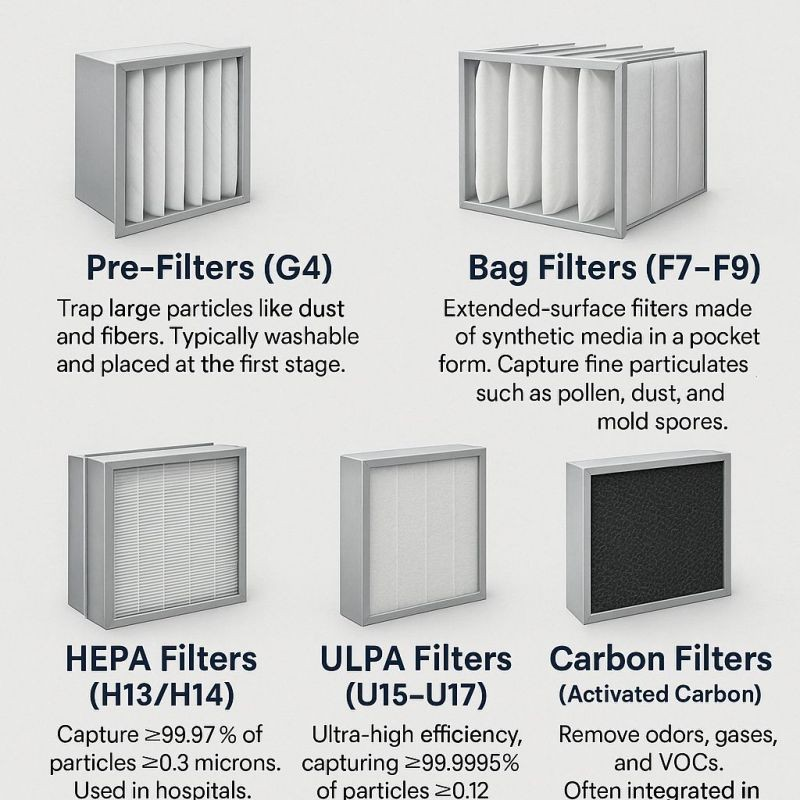
Function
- Removes dust, allergens, pollutants
Types
- HEPA filters
- Carbon filters
- Pre-filters
3.4 Fans and Blowers
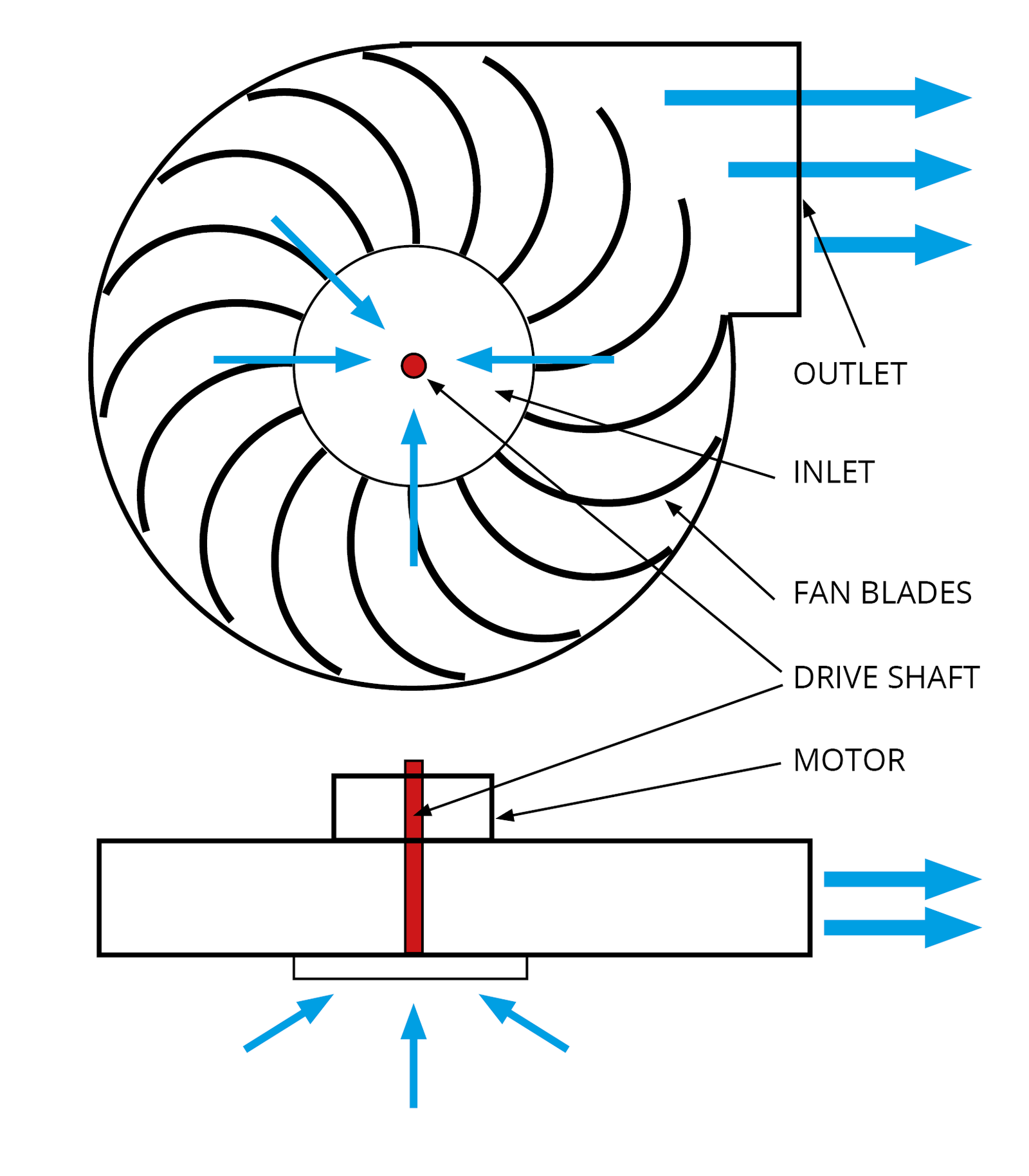
Function
- Moves air through ducts
4. Control Components
4.1 Thermostat
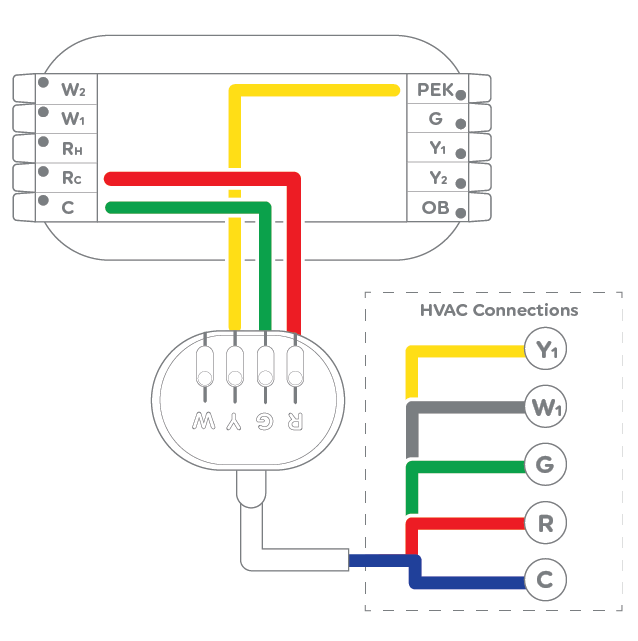
Function
- Controls temperature
- Automates HVAC operation
4.2 Sensors
Types:
- Temperature sensors
- Humidity sensors
- Pressure sensors
4.3 Control Board
- Brain of HVAC system
- Manages operations
5. Refrigerant (Working Fluid)
Function
- Transfers heat
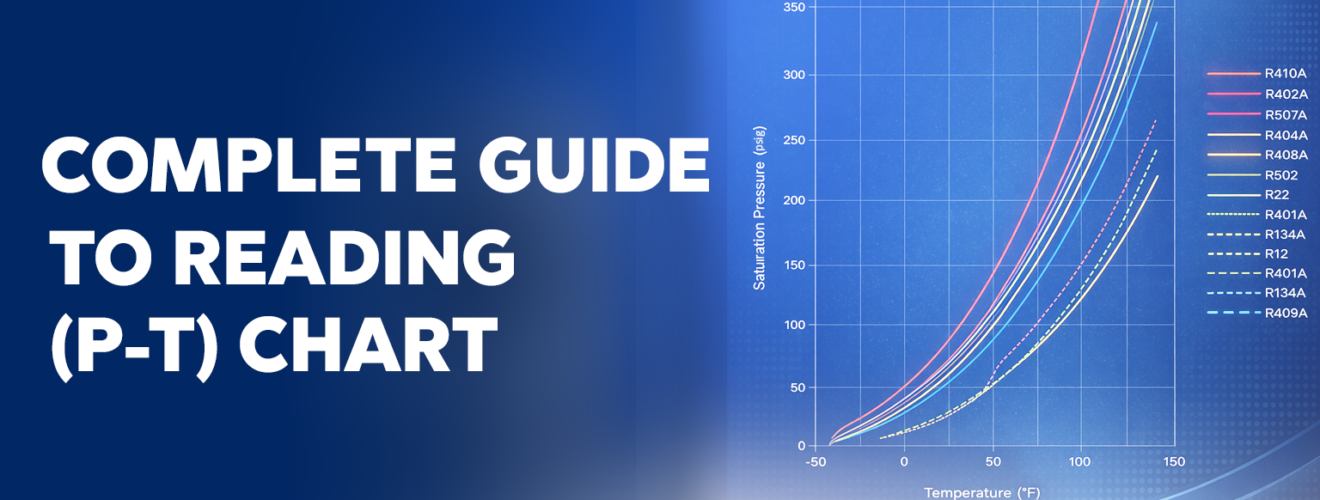
Common Types
- R-32
- R-410A
- R-134a
6. Additional HVAC Components
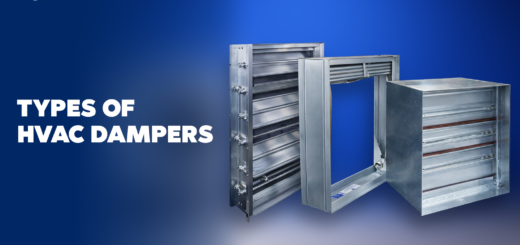
6.1 Dampers
- Control airflow
6.2 Cooling Tower
- Used in large HVAC systems
6.3 Chiller
- Provides chilled water
How HVAC Components Work Together
Step-by-Step Process
- Thermostat detects temperature
- Compressor starts
- Refrigerant flows
- Heat is removed
- Air is circulated
- Temperature is maintained
HVAC Components in Different Systems
Residential HVAC
- Split AC
- Small ducts
Commercial HVAC
- AHU
- Chillers
- VRF
Common Problems in HVAC Components
- Compressor failure
- Dirty filters
- Refrigerant leaks
- Fan issues
Maintenance Tips
- Clean filters regularly
- Check refrigerant levels
- Inspect ducts
- Service annually
Advantages of Understanding HVAC Components
- Better troubleshooting
- Improved efficiency
- Cost savings
Future of HVAC Components
- Smart sensors
- AI-based systems
- Energy-efficient designs
Conclusion
HVAC systems are made up of multiple components working together to provide comfort and efficiency. Understanding each component helps in better installation, maintenance, and system design.
FAQs
1. What are the main HVAC components?
Compressor, condenser, evaporator, AHU, ducts, and thermostat.
2. Which is the most important HVAC component?
The compressor is often called the heart of the system.
3. What does AHU do?
It circulates and conditions air.
4. What is the role of refrigerant?
It transfers heat within the system.
5. How often should HVAC components be serviced?
At least once a year.