NIBE Heat Pump Review
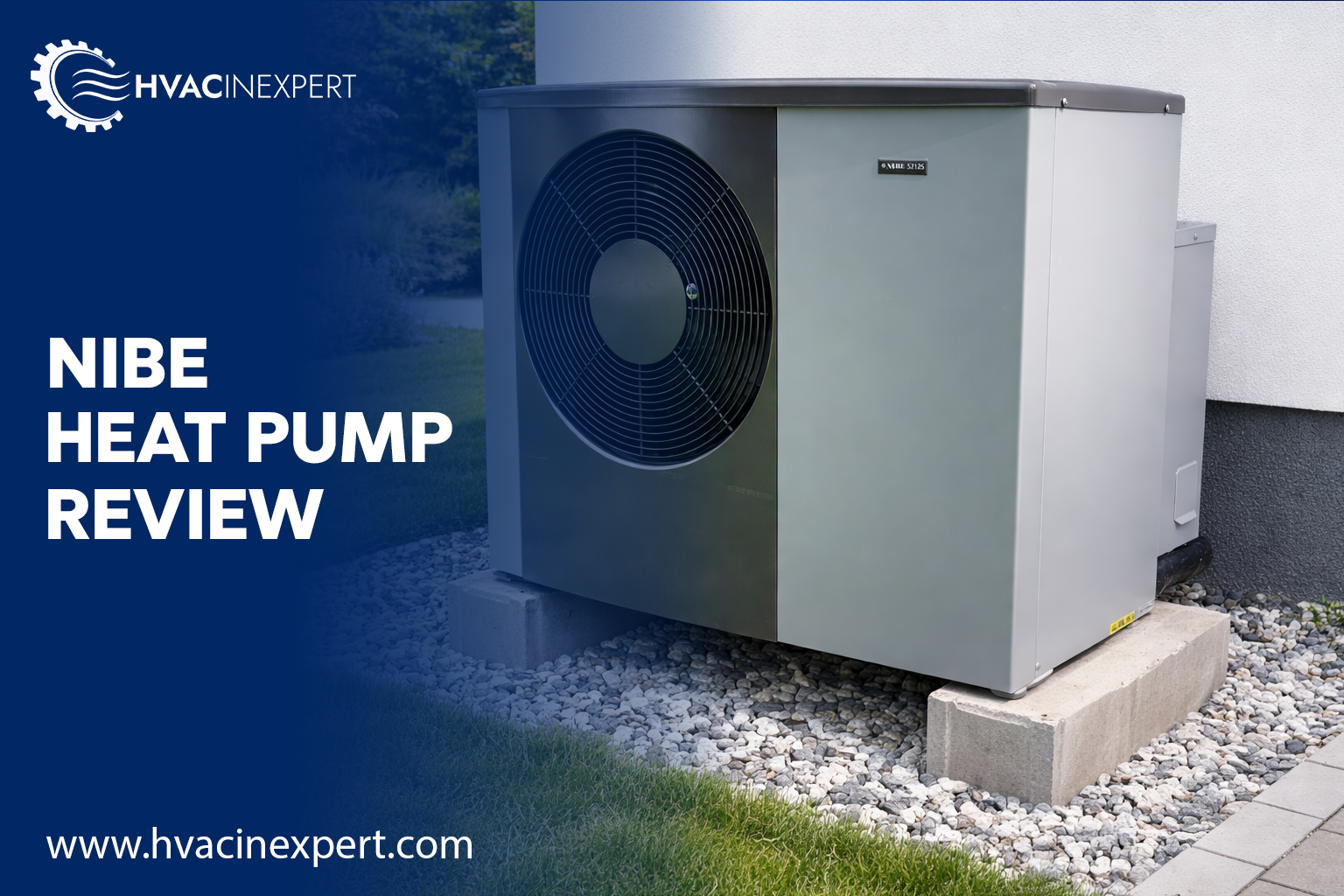
NIBE Heat Pump Review – Complete Guide for Buyers, Installers & HVAC Professionals
Introduction to NIBE
In this ultra-detailed review, we’ll break down everything you need to know about NIBE heat pumps — from performance and efficiency to real-world pros, cons, pricing, and whether they’re worth installing or selling in 2026.
What Makes NIBE Heat Pumps Different?
NIBE is not just another HVAC brand — it’s a specialist in heating systems, particularly:
- Ground source (geothermal) heat pumps
- Air-to-water heat pumps
- Integrated heating + hot water solutions
- Smart energy systems
Unlike brands like LG Electronics or Samsung Electronics, which focus on air conditioning, NIBE is deeply focused on heating performance and energy efficiency.
Types of NIBE Heat Pumps
1. Ground Source Heat Pumps (Geothermal)
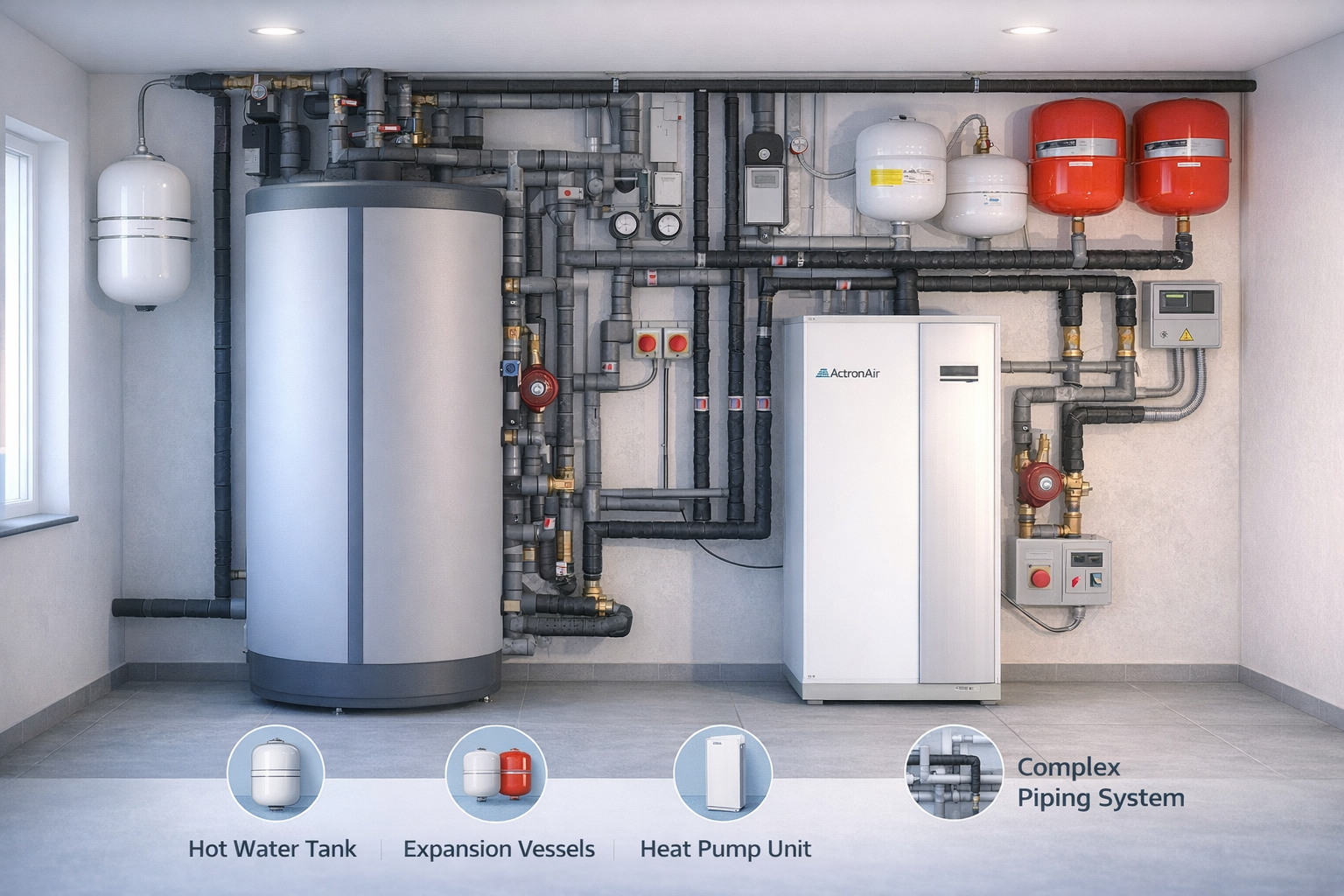
Popular Models:
- NIBE F1255
- NIBE F1355
Key Features:
- Uses underground heat (very stable temperature)
- Extremely high efficiency (COP up to 5.0+)
- Best for cold climates (Nordic countries)
Pros:
- Lowest running cost
- Long lifespan (15–25 years)
- Stable performance even at -20°C
Cons:
- High installation cost
- Requires drilling or land
Best for: Villas, large homes, commercial buildings
2. Air-to-Water Heat Pumps
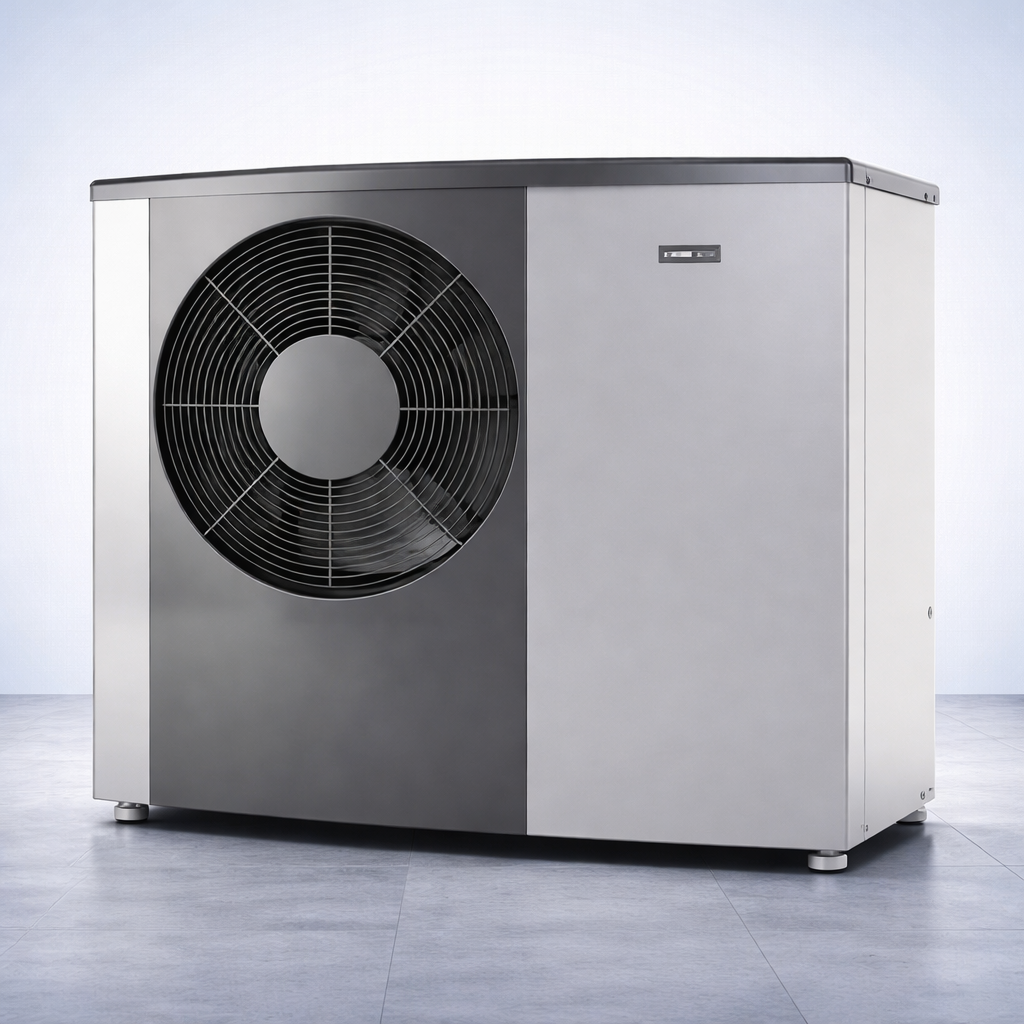
Popular Models:
- NIBE F2040
- NIBE S2125
Key Features:
- Extracts heat from outside air
- Easier installation vs geothermal
- Works with radiators + underfloor heating
Pros:
- Lower installation cost than geothermal
- Good efficiency (COP 3–4.5)
- Suitable for retrofits
Cons:
- Efficiency drops in extreme cold
- Outdoor noise (moderate)
Best for: Homes upgrading from gas boilers
3. Exhaust Air Heat Pumps
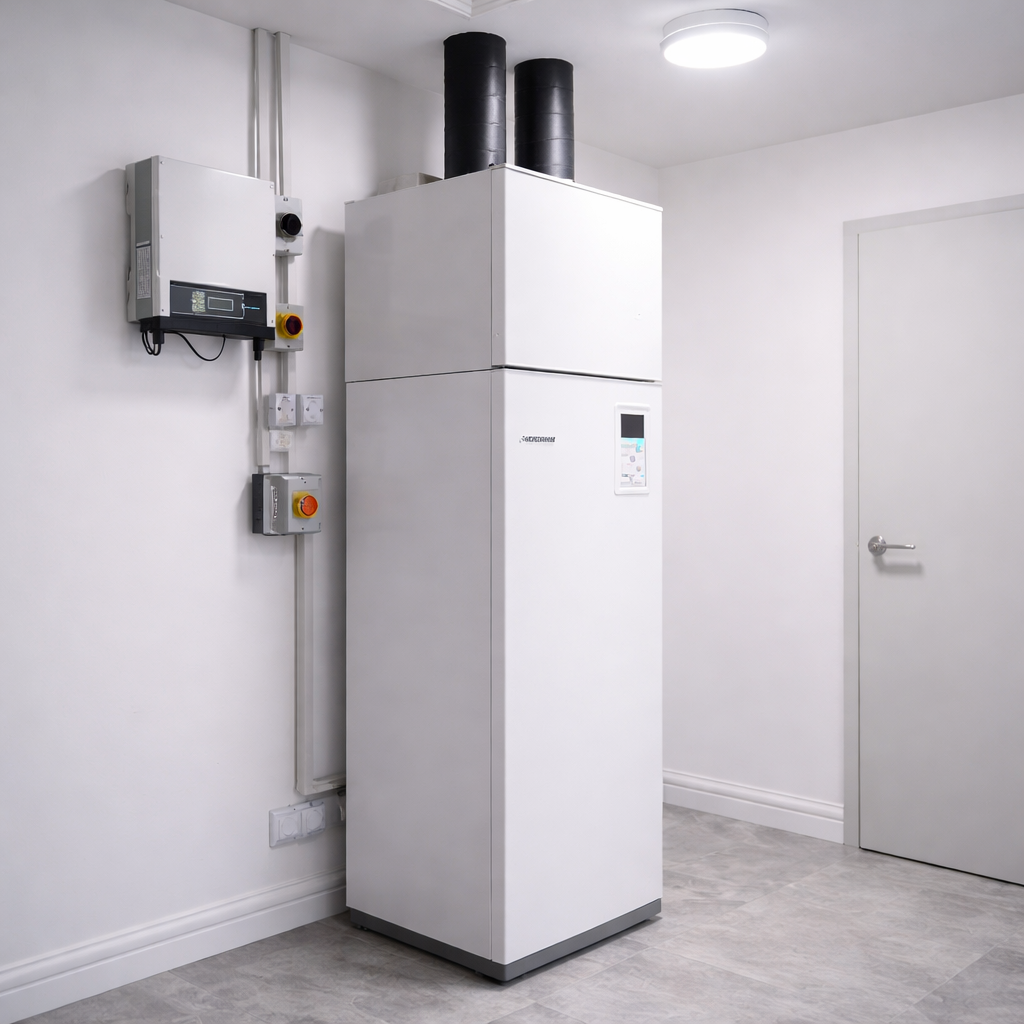
Popular Models:
- NIBE F370
- NIBE F750
Key Features:
- Uses indoor exhaust air
- Compact indoor unit
- Integrated ventilation
Pros:
- Ideal for small homes
- Energy recovery system
- Compact design
Cons:
- Limited heating capacity
- Not for large buildings
Performance & Efficiency
Energy Efficiency Ratings
NIBE heat pumps are known for top-tier efficiency:
- SCOP: 4.0 – 5.5
- Energy class: A+++
- Low electricity consumption
Compared to brands like Daikin, NIBE performs better in geothermal systems, especially in cold climates.
Cold Climate Performance
- Operates efficiently at -20°C to -25°C
- Minimal performance drop vs competitors
- Advanced defrost control
This is where NIBE beats brands like Panasonic and LG Electronics in extreme climates.
Smart Features & Controls
NIBE offers advanced smart systems:
- WiFi control (via NIBE Uplink)
- Remote monitoring
- Energy usage tracking
- Weather compensation
Competes with smart features from Samsung Electronics and LG Electronics.
Installation & Maintenance
Installation Complexity
| Type | Difficulty | Cost |
|---|---|---|
| Ground Source | High | Very Expensive |
| Air-to-Water | Medium | Moderate |
| Exhaust Air | Low | Affordable |
As an HVAC dealer, this matters:
- Ground source = high profit margin projects
- Air-to-water = mass market demand
Maintenance
- Annual service required
- Filter cleaning
- Compressor lifespan: 10–15 years
NIBE systems are known for low maintenance frequency.
Price in Europe
| Type | Price Range |
|---|---|
| Air-to-Water | €5,000 – €12,000 |
| Ground Source | €12,000 – €25,000 |
| Exhaust Air | €3,000 – €7,000 |
Installation cost can double total price.
Pros & Cons
Pros
- Excellent cold climate performance
- Very high efficiency (A+++)
- Long lifespan
- Strong European reputation
- Ideal for eco-friendly homes
Cons
- High upfront cost
- Limited presence outside Europe
- Complex installation (geothermal)
NIBE vs Competitors
NIBE vs Daikin
- NIBE → Better geothermal
- Daikin → Better global support
NIBE vs Mitsubishi Electric
- Mitsubishi → Better air-to-air
- NIBE → Better heating systems
NIBE vs Vaillant
- Vaillant → Better service network
- NIBE → Better cold performance
Best Use Cases
Ideal For:
- Cold countries (Sweden, Norway, Germany)
- Large homes & villas
- Eco-conscious buyers
- Geothermal installations
Not Ideal For:
- Tropical countries (like India)
- Small apartments (except exhaust systems)
Environmental Impact
NIBE systems help reduce:
- Carbon emissions
- Fossil fuel dependency
- Electricity usage
Strong alignment with EU climate goals.
Market Position in Europe
- Top 5 heat pump brands
- Leader in Nordic region
- Growing demand due to EU policies
Future of NIBE (2026–2030)
- Expansion in UK & Germany
- Focus on R290 refrigerant
- Integration with solar systems
- Smart grid compatibility
Final Verdict
⭐⭐⭐⭐☆ (4.7/5)
NIBE heat pumps are among the best in Europe, especially for:
- Cold climates
- High-efficiency heating
- Long-term energy savings
If budget is not a constraint, NIBE is a top-tier choice.
FAQs
Q1: Is NIBE a good heat pump brand?
Yes, NIBE is one of the best heat pump brands in Europe, especially for cold climates.
Q2: Are NIBE heat pumps expensive?
Yes, they are premium systems with higher upfront cost but lower running cost.
Q3: Which NIBE heat pump is best?
- F1255 → Best geothermal
- S2125 → Best air-to-water
Q4: Can NIBE work in very cold weather?
Yes, it performs efficiently even below -20°C.
Q5: Is NIBE better than Daikin?
For geothermal systems, yes. For global service, Daikin is stronger.