R-422D Pressure Temperature Chart
Complete Guide to R-422D Pressure Temperature Chart (PT Chart)
1. Introduction to R-422D Refrigerant
R-422D is a non-ozone depleting HFC refrigerant blend widely used as a replacement for R-22 in existing HVAC and refrigeration systems. It is one of the most popular retrofit refrigerants due to its compatibility with existing oils and minimal system modifications.
Composition of R-422D
R-422D is a blend of:
-
R-125
-
R-134a
-
R-600a (Isobutane)
Applications
-
Split air conditioners
-
Packaged AC systems
-
Commercial refrigeration
-
Cold storage units
-
Window AC systems
2. What is a Pressure Temperature (PT) Chart?
A Pressure Temperature Chart (PT Chart) shows the relationship between pressure (PSI) and saturation temperature for a refrigerant.
Why It Matters
-
Converts pressure into temperature
-
Helps calculate superheat & subcooling
-
Diagnoses system faults
-
Ensures correct refrigerant charge
3. Why R-422D PT Chart is Important
Using the correct PT chart is critical for HVAC technicians.
Benefits
-
Accurate charging
-
Better cooling performance
-
Reduced compressor damage
-
Faster troubleshooting
4. Properties of R-422D Refrigerant
| Property | Value |
|---|---|
| Type | Blend |
| ODP | 0 |
| GWP | Medium |
| Glide | Moderate |
| Oil Compatibility | Mineral, POE |
| Replacement For | R-22 |
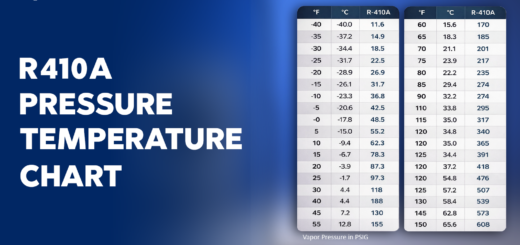
5. R-422D Pressure Temperature Chart (°F vs PSI)
R-422D PT Chart (°F / PSIG)
| Temperature (°F) | Pressure (PSIG) |
|---|---|
| -40 | 5 |
| -30 | 9 |
| -20 | 14 |
| -10 | 20 |
| 0 | 27 |
| 10 | 35 |
| 20 | 44 |
| 30 | 55 |
| 40 | 68 |
| 50 | 83 |
| 60 | 100 |
| 70 | 119 |
| 80 | 140 |
| 90 | 163 |
| 100 | 188 |
| 110 | 215 |
| 120 | 245 |
| 130 | 277 |
| 140 | 312 |
6. R-422D Pressure Temperature Chart (°C vs PSI)
R-422D PT Chart (°C / PSIG)
| Temperature (°C) | Pressure (PSIG) |
|---|---|
| -40 | 5 |
| -35 | 7 |
| -30 | 9 |
| -25 | 12 |
| -20 | 14 |
| -15 | 17 |
| -10 | 20 |
| -5 | 23 |
| 0 | 27 |
| 5 | 31 |
| 10 | 35 |
| 15 | 39 |
| 20 | 44 |
| 25 | 49 |
| 30 | 55 |
| 35 | 61 |
| 40 | 68 |
| 45 | 75 |
| 50 | 83 |
| 55 | 91 |
| 60 | 100 |
| 65 | 109 |
| 70 | 119 |
7. How to Read an R-422D PT Chart
Step-by-Step
-
Measure system pressure
-
Locate pressure in chart
-
Convert to saturation temperature
-
Compare with actual pipe temperature
8. Superheat and Subcooling with R-422D
Superheat Formula
Subcooling Formula
Typical Values
-
Superheat: 8°C – 12°C
-
Subcooling: 10°C – 15°C
9. Charging Guidelines for R-422D
Always charge in liquid form.
Best Practices
-
Use digital manifold
-
Charge slowly
-
Monitor superheat & subcooling
-
Avoid overcharging
10. Retrofit from R-22 to R-422D
Steps
-
Recover R-22
-
Replace filter drier
-
Check oil condition
-
Evacuate system
-
Charge R-422D
-
Adjust expansion valve
11. Troubleshooting Using PT Chart
Low Pressure
-
Leak
-
Undercharge
-
Restriction
High Pressure
-
Overcharge
-
Dirty condenser
-
Poor airflow
12. Safety and Handling Guidelines
-
Wear PPE
-
Avoid inhalation
-
Store cylinders properly
-
Follow safety standards
13. Advantages and Disadvantages
Advantages
-
Easy retrofit
-
Zero ozone depletion
-
Compatible with mineral oil
Disadvantages
-
Slight efficiency loss
-
Temperature glide
14. Common HVAC Technician Mistakes
- Charging in vapor form
- Ignoring PT chart
- Wrong superheat calculation
- Overcharging
15. Frequently Asked Questions (FAQ)
Q1. What is R-422D used for?
R-422D is used as a replacement for R-22.
Q2. What is normal pressure of R-422D?
Depends on temperature; refer to PT chart.
Q3. Can R-422D replace R-22 directly?
Yes, with minor adjustments.
Q4. Is R-422D safe?
Yes, when handled properly.
Q5. What is superheat range?
8°C–12°C.
16. Conclusion
R-422D is one of the most widely used R-22 replacement refrigerants. Understanding its pressure-temperature relationship is essential for HVAC technicians.
Using the PT chart correctly helps:
-
Improve efficiency
-
Reduce breakdowns
-
Ensure proper charging