Smart Thermostat Explained
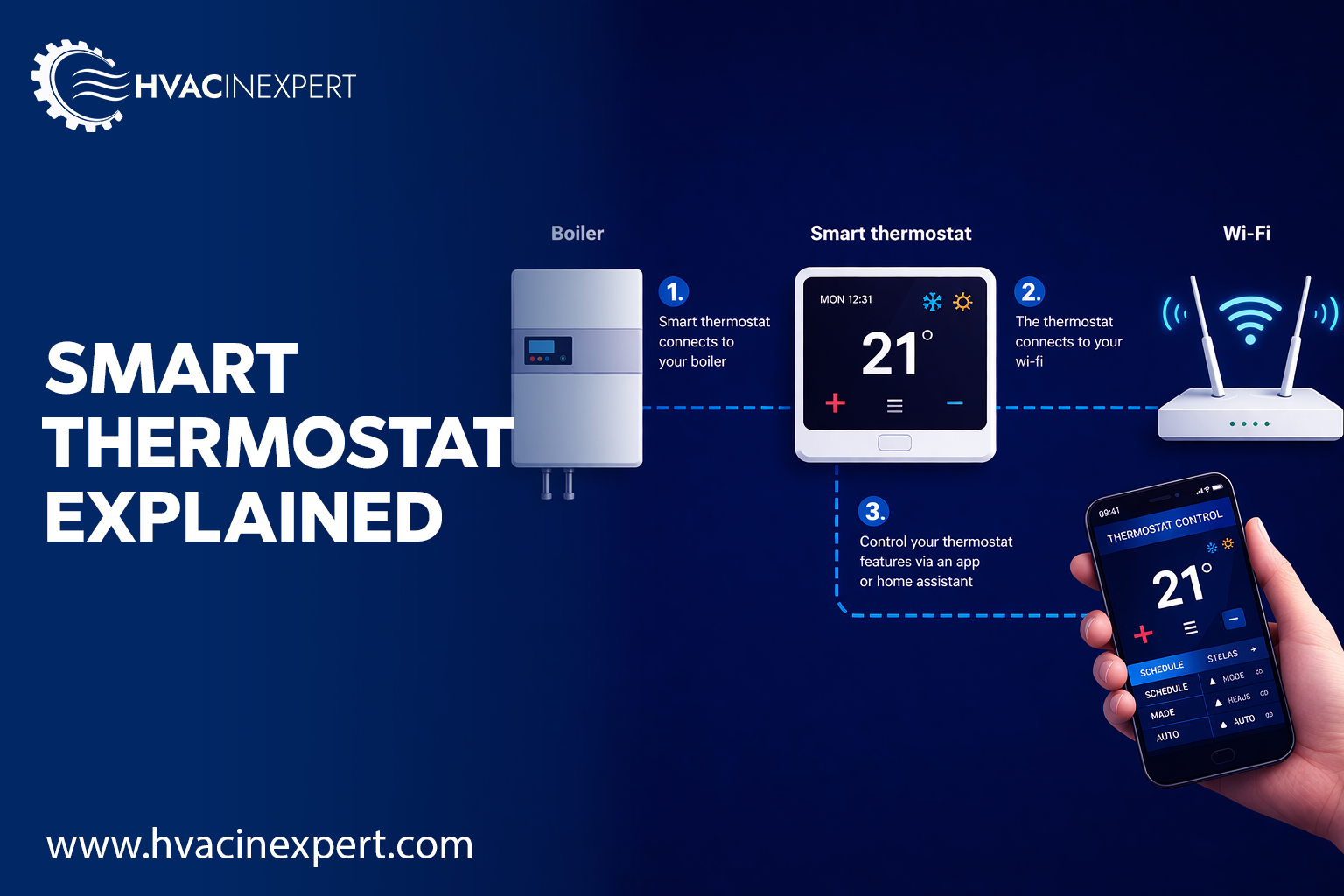
Smart Thermostat Explained: The Ultimate Guide to Smart Climate Control
Introduction
In today’s world of automation and energy efficiency, the smart thermostat has emerged as one of the most impactful upgrades for modern homes and businesses. Whether you’re an HVAC professional, homeowner, or someone planning to build an energy-efficient environment, understanding smart thermostats is essential.
A smart thermostat is not just a temperature control device—it is an intelligent system that learns your habits, optimizes energy usage, integrates with smart home ecosystems, and significantly reduces utility costs.
This comprehensive guide covers everything you need to know about smart thermostats, including:
- How they work
- Types and technologies
- Benefits and cost savings
- Installation and compatibility
- HVAC integration
- Best features to look for
- SEO insights and trends
- Future innovations
What is a Smart Thermostat?
A smart thermostat is an advanced temperature control device that connects to the internet (Wi-Fi) and allows users to remotely control heating and cooling systems through mobile apps, voice assistants, or automation systems.
Unlike traditional thermostats, smart thermostats:
- Learn user behavior
- Automatically adjust temperature
- Optimize HVAC performance
- Provide real-time energy data
How Smart Thermostats Work
Core Working Principle
Smart thermostats operate by:
- Measuring temperature and humidity
- Communicating with HVAC systems
- Using algorithms to optimize comfort and efficiency
- Connecting to cloud-based systems for remote control
Key Components
1. Sensors
- Temperature sensors
- Humidity sensors
- Motion/occupancy sensors
2. Wi-Fi Module
- Enables remote access
- Syncs with apps and smart home systems
3. Microprocessor
- Handles automation logic
- Learns usage patterns
4. User Interface
- Touchscreen or mobile app
- Voice command integration
Types of Smart Thermostats
1. Learning Thermostats
These thermostats automatically learn your schedule and adjust accordingly.
Features:
- AI-based automation
- Behavior tracking
- Auto-scheduling
2. Programmable Smart Thermostats
- Manual scheduling
- Less AI-based learning
- Ideal for predictable routines
3. Remote-Control Thermostats
- Controlled via smartphone
- No learning capability
- Budget-friendly option
4. Geofencing Thermostats
- Detect user location via smartphone
- Adjust temperature automatically
Smart Thermostat vs Traditional Thermostat
| Feature | Traditional | Smart Thermostat |
|---|---|---|
| Remote Access | No | Yes |
| Learning Capability | No | Yes |
| Energy Reports | No | Yes |
| Automation | Limited | Advanced |
| Voice Control | No | Yes |
Benefits of Smart Thermostats
1. Energy Savings
Smart thermostats can reduce energy consumption by 10% to 30%.
How?
- Avoid unnecessary cooling/heating
- Optimize HVAC cycles
- Adaptive temperature control
2. Cost Reduction
Lower electricity bills by:
- Reducing compressor runtime
- Smart scheduling
- Peak-hour optimization
3. Remote Access
Control your AC or heating from anywhere using your smartphone.
4. Improved Comfort
- Maintains consistent temperature
- Adjusts based on weather conditions
5. HVAC System Protection
- Prevents overuse
- Provides maintenance alerts
Smart Thermostat and HVAC Systems
Compatibility with HVAC Systems
Smart thermostats work with:
- Split AC systems
- Central HVAC systems
- Heat pumps
- VRF/VRV systems
- Furnaces and boilers
HVAC Integration Features
- Compressor protection delay
- Fan control automation
- Multi-zone management
Smart Thermostat Installation Guide
Step-by-Step Installation
- Turn off power
- Remove old thermostat
- Label wires
- Install mounting plate
- Connect wires
- Power on and configure
Common Wiring Types
- C-wire (common wire)
- R-wire (power)
- Y-wire (cooling)
- W-wire (heating)
- G-wire (fan)
Professional vs DIY Installation
| Type | Pros | Cons |
|---|---|---|
| DIY | Cost-saving | Risk of errors |
| Professional | Safe & accurate | Extra cost |
Smart Thermostat Features Explained
1. Learning Algorithms
- Adapts to user habits
- Reduces manual input
2. Geofencing
- Uses GPS location
- Automatically adjusts temperature
3. Voice Control
Works with:
- Alexa
- Google Assistant
- Siri
4. Energy Reports
- Daily/weekly reports
- Usage insights
- Cost analysis
5. Multi-Zone Control
- Control different rooms separately
- Ideal for large homes and offices
Smart Thermostat for Commercial Use
Smart thermostats are widely used in:
- Offices
- Hotels
- Hospitals
- Shopping malls
Benefits for Businesses
- Centralized control
- Reduced operational cost
- Better energy management
IoT and Smart Thermostats
Smart thermostats are part of the Internet of Things (IoT) ecosystem.
How IoT Enhances Performance
- Real-time data processing
- Cloud-based optimization
- Predictive maintenance
Smart Thermostat and Energy Efficiency
Role in Green Buildings
Smart thermostats help achieve:
- LEED certification
- Energy efficiency standards
- Carbon footprint reduction
Energy Saving Strategies
- Adaptive scheduling
- Night setback mode
- Demand response integration
Smart Thermostat and Renewable Energy
Smart thermostats work with:
- Solar power systems
- Hybrid HVAC systems
Example Use Case
- Reduce cooling when solar output is low
- Optimize energy usage during peak solar generation
Best Smart Thermostat Features for SEO Ranking
If you’re building an HVAC website, focus on keywords like:
- Smart thermostat installation
- Best smart thermostat 2026
- Energy-saving thermostat
- WiFi thermostat benefits
Common Problems and Solutions
1. Wi-Fi Connectivity Issues
Solution:
- Check router distance
- Reset thermostat
2. Incorrect Temperature Reading
Solution:
- Recalibrate sensor
- Check placement
3. HVAC Not Responding
Solution:
- Check wiring
- Verify compatibility
Smart Thermostat Maintenance Tips
- Clean sensors regularly
- Update firmware
- Check wiring annually
Smart Thermostat Security Concerns
Risks
- Data privacy issues
- Unauthorized access
Solutions
- Use strong passwords
- Enable 2FA
- Update software regularly
Future of Smart Thermostats
Trends in 2026 and Beyond
1. AI Integration
- Predictive temperature control
2. Voice + Emotion Recognition
- Adjust temperature based on mood
3. Smart Grid Integration
- Optimize energy use during peak hours
4. Advanced Sensors
- Detect air quality and pollution
Smart Thermostat Market Trends
Global Growth
- Increasing demand in Europe and USA
- Growing adoption in India
Market Drivers
- Energy efficiency awareness
- Rising electricity costs
- Smart home adoption
Smart Thermostat for HVAC Professionals
Since you’re an HVAC dealer, this is a huge opportunity:
Services You Can Offer
- Smart thermostat installation
- HVAC automation
- Energy audits
- Maintenance contracts
Upsell Opportunities
- Bundle with AC installation
- Offer AMC (Annual Maintenance Contract)
- Sell premium smart thermostats
Smart Thermostat Pricing
Price Range (India)
- Basic: ₹3,000 – ₹7,000
- Mid-range: ₹7,000 – ₹15,000
- Premium: ₹15,000 – ₹35,000
Smart Thermostat Buying Guide
What to Look For
- HVAC compatibility
- Wi-Fi connectivity
- Mobile app support
- Voice assistant integration
- Energy reports
Smart Thermostat Installation Cost
- DIY: ₹0
- Professional: ₹1,500 – ₹5,000
Smart Thermostat vs Smart AC
| Feature | Smart Thermostat | Smart AC |
|---|---|---|
| Cost | Lower | Higher |
| Flexibility | High | Limited |
| Upgrade | Easy | Expensive |
Case Study: Energy Savings
A typical home:
- Before: ₹5,000/month electricity
- After smart thermostat: ₹3,800/month
Savings: ₹1,200/month
Smart Thermostat for Indian Climate
Ideal Use Cases
- Hot climates (Gujarat, Rajasthan)
- Mixed climates (Delhi)
- Cold regions (Himachal, Kashmir)
Conclusion
Smart thermostats are no longer a luxury—they are becoming a necessity in modern HVAC systems. They offer unmatched convenience, energy savings, and control.
For homeowners, they reduce bills and improve comfort.
For HVAC professionals like you, they open new business opportunities and recurring revenue streams.
FAQ
What is a smart thermostat?
A smart thermostat is a Wi-Fi-enabled device that controls HVAC systems intelligently and remotely.
Do smart thermostats save money?
Yes, they can reduce energy bills by 10–30%.
Can I install a smart thermostat myself?
Yes, but professional installation is recommended for safety.
Are smart thermostats compatible with all ACs?
Most are compatible, but always check wiring and system type.
Is a smart thermostat worth it in India?
Yes, especially in high-temperature regions where AC usage is high.