VRF System Design for Shopping Mall
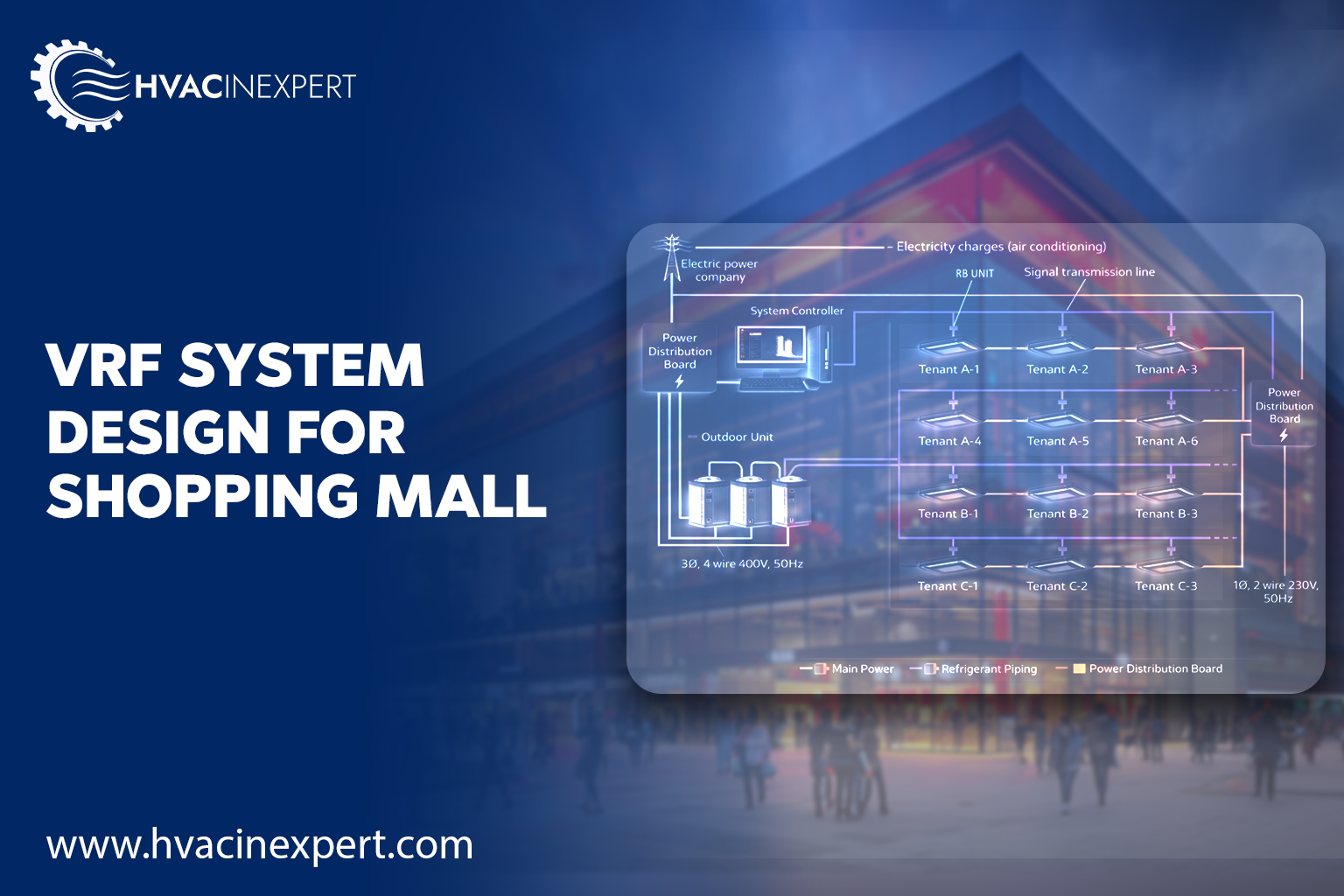
VRF System Design for Shopping Mall: Complete HVAC Guide
Introduction
Modern shopping malls are among the most complex HVAC environments. They combine:
- High footfall variability
- Large open spaces
- Multiple tenants
- Mixed-use zones (retail, food court, cinema, offices)
Designing an HVAC system that is efficient, flexible, and cost-effective is a major challenge.
This is why VRF (Variable Refrigerant Flow) systems are becoming increasingly popular in mall applications.
In this ultimate guide, you will learn:
- Complete VRF System Design for Shopping Mall
- Load calculation methods
- Zoning strategies
- Piping and control design
- Cost, ROI, and energy savings
- Real-world design insights
What is a VRF System?
A VRF system is an advanced HVAC solution where refrigerant flow is adjusted based on demand using inverter compressors.
Core Features
- Variable capacity control
- Simultaneous cooling/heating
- Multiple indoor units per outdoor unit
- Smart control integration
Why VRF is Ideal for Shopping Malls
Shopping malls have unique challenges:
- Different shops with different loads
- Peak vs off-peak usage
- Large atriums
- Long operating hours
Benefits of VRF in Malls
1. Energy Efficiency
Reduces power consumption by 25–40%
2. Tenant Control
Each shop can control its own AC
3. Flexible Expansion
New shops can be added easily
4. Space Saving
Less ductwork required
5. Silent Operation
Important for customer experience
Mall HVAC Zones (Very Important)
Understanding zoning is critical.
Major Zones in Mall
- Retail Shops
- Anchor Stores
- Food Court
- Atrium
- Corridors
- Multiplex / Cinema
- Gaming Zone
- Parking Area
- Offices
Each zone requires different design approach
Step-by-Step VRF System Design for Mall
Step 1: Heat Load Calculation
This is the foundation of design.
Factors to Consider
- Area (sq.ft)
- Occupancy density
- Lighting load
- Equipment load
- Glass façade
- Solar gain
- Fresh air requirement
Typical Heat Load Values
| Area | TR per sq.ft |
|---|---|
| Retail Shop | 1 TR / 100–150 sq.ft |
| Food Court | 1 TR / 70–100 sq.ft |
| Atrium | High load |
| Cinema | Very high load |
Step 2: Zoning Strategy
Proper zoning ensures efficiency.
Best Practice
- Each shop = Individual system
- Anchor store = Dedicated system
- Food court = Separate VRF or AHU
- Cinema = Not recommended for VRF (use chiller)
Step 3: Indoor Unit Selection
Types Used in Malls
- Cassette units
- Ducted units
- High static duct units
Recommended Use
- Shops → Cassette
- Food court → Ducted
- Corridors → Slim duct
Step 4: Outdoor Unit Design
Important Considerations
- Diversity factor
- Peak demand
- Space availability
Example
Connected load = 300 TR
After diversity → 220–250 TR
Step 5: Refrigerant Piping Design
Key Design Rules
- Follow max piping length limits
- Maintain oil return
- Proper pipe sizing
- Avoid excessive bends
Step 6: Control System
Modern malls require:
- Centralized monitoring
- Tenant billing system
- Energy tracking
Step 7: Ventilation System
VRF does NOT provide fresh air.
Required Systems
- FAHU (Fresh Air Handling Unit)
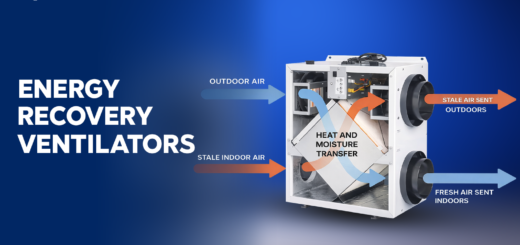
- ERV (Energy Recovery Ventilator)
VRF System Layout Planning
Key Guidelines
- Outdoor units on terrace
- Proper service access
- Drainage planning
- Noise control
Energy Efficiency Optimization
How VRF Saves Energy
- Inverter technology
- Load-based operation
- Heat recovery
Tips to Improve Efficiency
- Use occupancy sensors
- Optimize thermostat
- Use BMS
Cost Analysis
Initial Cost
Higher than traditional systems.
Running Cost
Much lower.
ROI
3–6 years depending on usage.
Common Design Mistakes
- Wrong load calculation
- Poor zoning
- Ignoring ventilation
- Improper piping
VRF vs Chiller System for Mall
| Feature | VRF | Chiller |
|---|---|---|
| Flexibility | High | Low |
| Efficiency | High | High |
| Initial Cost | Medium | High |
| Maintenance | Medium | High |
Large malls often use Hybrid system (VRF + Chiller)
Advanced Design Considerations
1. Diversity Factor
Mall diversity is high → reduces capacity.
2. Simultaneous Load
Different shops have different loads.
3. Future Expansion
Always plan spare capacity.
Real Example (Mall Design)
Data
- 100 Shops
- Food court
- Atrium
Load
- Shops: 200 TR
- Food court: 80 TR
- Atrium: 50 TR
Total = 330 TR
After diversity → ~250 TR
Installation Guidelines
- Proper insulation
- Leak testing
- Vacuuming
- Commissioning
Maintenance
- Filter cleaning
- Coil cleaning
- Refrigerant check
Latest Trends
- AI-based HVAC control
- IoT monitoring
- Green refrigerants
FAQ
What is the best HVAC system for malls?
VRF + chiller hybrid is best.
Is VRF suitable for malls?
Yes, especially for retail shops.
Does VRF provide fresh air?
No.
Conclusion
VRF systems are a powerful solution for mall HVAC design due to:
- Flexibility
- Energy efficiency
- Tenant comfort
A properly designed system ensures:
- Lower energy cost
- Better performance
- Long-term reliability
Professional VRF System Design for Shopping Mall
We offer complete HVAC design solutions including load calculation, zoning, piping design and equipment selection.
Our expert team ensures energy-efficient, cost-effective and reliable VRF systems for your hotel projects.
Contact us today for expert consultation.
 Call: +91 9825636606
 Email: vipulaircondition@gmail.com
 Visit: www.vipulac.in