Applications of HEPA Filters
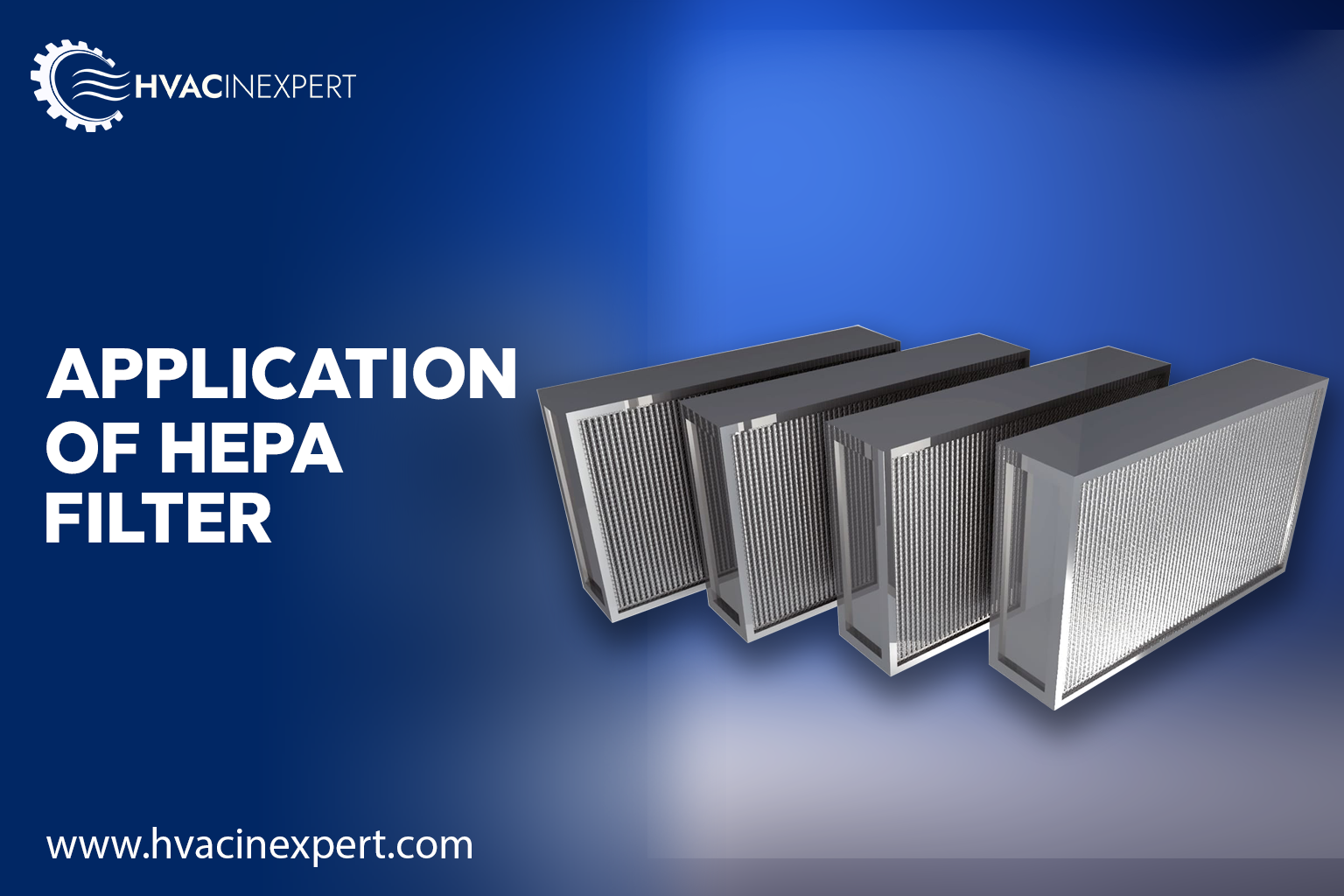
Applications of HEPA Filters: Complete Guide
Introduction
High-Efficiency Particulate Air (HEPA) filters have become an essential component in modern air purification systems. From hospitals and pharmaceutical labs to residential homes and industrial environments, HEPA filters play a critical role in ensuring clean, safe, and breathable air.
With rising concerns about indoor air quality, airborne diseases, and pollution levels—especially in countries like India—HEPA filters are no longer a luxury but a necessity. Whether you’re an HVAC professional, facility manager, or homeowner, understanding the applications of HEPA filters can help you make better decisions about air filtration systems.
This comprehensive guide explores all major applications of HEPA filters, their importance, benefits, and how they are used across industries.
What is a HEPA Filter?
A HEPA (High-Efficiency Particulate Air) filter is a mechanical air filter that removes at least 99.97% of airborne particles as small as 0.3 microns. These include:
- Dust
- Pollen
- Mold spores
- Bacteria
- Viruses (attached to particles)
- Smoke particles
How HEPA Filters Work
HEPA filters trap particles through three mechanisms:
- Interception – particles stick to fibers
- Impaction – larger particles collide and get trapped
- Diffusion – smaller particles move randomly and get captured
Why HEPA Filters Are Important
- Improve indoor air quality (IAQ)
- Reduce airborne disease transmission
- Protect sensitive equipment
- Maintain cleanroom standards
- Enhance occupant comfort and health
Major Applications of HEPA Filters
1. Healthcare & Hospitals
HEPA filters are most widely used in healthcare environments where air purity is critical.
Key Areas:
- Operation Theaters (OT)
- Intensive Care Units (ICU)
- Isolation Rooms
- Neonatal ICU (NICU)
Applications:
- Prevent cross-contamination
- Remove airborne pathogens
- Protect immunocompromised patients
Example Use:
In operation theaters, HEPA filters are used in laminar airflow systems to maintain sterile environments.
Benefits:
- Infection control
- Reduced hospital-acquired infections (HAIs)
- Compliance with healthcare standards
2. Pharmaceutical Industry
The pharmaceutical sector requires extremely controlled environments to maintain product purity.
Applications:
- Cleanrooms (Class 100, 1000, etc.)
- Sterile drug manufacturing
- Packaging areas
Role of HEPA Filters:
- Maintain cleanroom classification
- Remove contaminants during drug production
- Ensure regulatory compliance (GMP)
Benefits:
- Product safety
- Regulatory approval
- Contamination-free production
3. HVAC Systems (Commercial & Residential)
HEPA filters are increasingly integrated into HVAC systems for better air quality.
Applications:
- Central air conditioning systems
- VRF and AHU systems
- Air purifiers
Residential Use:
- Homes in polluted cities
- Allergy-prone households
- Pet owners
Commercial Use:
- Offices
- Shopping malls
- Hotels
Benefits:
- Improved IAQ
- Reduced allergens
- Better occupant comfort
4. Cleanrooms & Laboratories
Cleanrooms require extremely low levels of airborne particles.
Applications:
- Semiconductor manufacturing
- Research labs
- Biotechnology labs
HEPA Role:
- Maintain ISO cleanroom standards
- Filter microscopic contaminants
Benefits:
- Accurate experiments
- Product quality assurance
5. Food Processing Industry
Air contamination can spoil food and introduce harmful bacteria.
Applications:
- Food packaging areas
- Dairy plants
- Beverage industries
HEPA Benefits:
- Prevent microbial contamination
- Extend shelf life
- Maintain hygiene standards
6. Electronics & Semiconductor Industry
Tiny particles can damage sensitive electronic components.
Applications:
- Chip manufacturing
- PCB assembly
- Data centers
Benefits:
- Protect micro-components
- Ensure product reliability
- Reduce defects
7. Automotive Industry
HEPA filters are used both in manufacturing and inside vehicles.
Applications:
- Paint booths
- Assembly lines
- Cabin air filters (premium vehicles)
Benefits:
- Dust-free painting
- Improved cabin air quality
- Worker safety
8. Aerospace Industry
Air quality is critical in aircraft manufacturing and operation.
Applications:
- Aircraft cabins
- Maintenance facilities
- Manufacturing units
Benefits:
- Passenger safety
- Reduced airborne contaminants
- Compliance with aviation standards
9. Industrial Applications
Heavy industries generate dust, fumes, and harmful particles.
Applications:
- Welding shops
- Chemical plants
- Textile industries
Benefits:
- Worker safety
- Reduced pollution
- Compliance with environmental norms
10. Residential Air Purifiers
With increasing pollution levels, HEPA-based air purifiers are widely used in homes.
Applications:
- Bedrooms
- Living rooms
- Children’s rooms
Benefits:
- Allergy relief
- Asthma control
- Better sleep quality
11. Commercial Spaces
HEPA filters are essential in places with high foot traffic.
Applications:
- Malls
- Airports
- Cinema halls
- Restaurants
Benefits:
- Cleaner air for customers
- Enhanced comfort
- Health safety compliance
12. Hotels & Hospitality Industry
Clean air improves guest experience and satisfaction.
Applications:
- Guest rooms
- Lobbies
- Conference halls
Benefits:
- Improved air quality
- Better customer reviews
- Competitive advantage
13. Educational Institutions
Schools and colleges require clean air for student health.
Applications:
- Classrooms
- Laboratories
- Libraries
Benefits:
- Reduced illness spread
- Improved concentration
- Healthier environment
14. Public Transport Systems
HEPA filters are used in transport systems to improve air quality.
Applications:
- Metro trains
- Buses
- Aircraft
- Railway AC coaches
Benefits:
- Reduced disease transmission
- Cleaner travel environment
15. Agriculture & Greenhouses
Air filtration helps protect crops from contaminants.
Applications:
- Controlled environment agriculture
- Hydroponics
- Greenhouses
Benefits:
- Disease-free crops
- Higher yield
- Improved quality
16. Data Centers
Dust can damage servers and reduce efficiency.
Applications:
- Server rooms
- Data centers
Benefits:
- Equipment protection
- Reduced downtime
- Better cooling efficiency
17. Defense & Military Applications
HEPA filters are used in environments requiring extreme safety.
Applications:
- Nuclear facilities
- Chemical labs
- Military vehicles
Benefits:
- Protection against hazardous particles
- Enhanced safety
18. Museums & Archives
Air quality is critical to preserve artifacts.
Applications:
- Museums
- Libraries
- Historical archives
Benefits:
- Prevent deterioration
- Protect valuable items
19. Smoke & Pollution Control
HEPA filters help remove fine particulate matter (PM2.5, PM10).
Applications:
- Air purifiers
- Industrial exhaust systems
Benefits:
- Reduced air pollution
- Health protection
20. COVID-19 & Infection Control
HEPA filters gained massive importance during the pandemic.
Applications:
- Hospitals
- Offices
- Public spaces
Benefits:
- Reduce airborne virus transmission
- Improve safety
Advantages of HEPA Filters
- High filtration efficiency (99.97%)
- Removes allergens and pollutants
- Improves health and comfort
- Widely applicable across industries
- Proven technology
Limitations of HEPA Filters
- Cannot remove gases or odors (requires activated carbon)
- Requires regular maintenance
- Higher pressure drop
- Costlier than standard filters
HEPA vs Other Filters
| Filter Type | Efficiency | Application |
|---|---|---|
| Pre Filter | Low | Large particles |
| HEPA Filter | Very High | Fine particles |
| ULPA Filter | Ultra High | Cleanrooms |
| Carbon Filter | Odor removal | Gases |
How to Choose the Right HEPA Filter
Consider:
- Application type
- Airflow requirement
- Pressure drop
- Maintenance cost
- Filter grade (H13, H14, etc.)
Maintenance Tips
- Replace filters every 6–12 months
- Monitor pressure drop
- Clean pre-filters regularly
- Use proper sealing
Future of HEPA Filters
- Integration with smart HVAC systems
- AI-based air quality monitoring
- Energy-efficient designs
- Hybrid filtration technologies
Conclusion
HEPA filters have become an indispensable part of modern air filtration systems. Their applications span across healthcare, industrial, commercial, and residential sectors, making them one of the most versatile and effective air purification solutions available today.
For HVAC professionals and businesses, integrating HEPA filtration into systems is not just about compliance—it’s about delivering superior air quality, safety, and performance.
FAQs (Frequently Asked Questions)
1. What is the main use of a HEPA filter?
HEPA filters are used to remove fine airborne particles like dust, pollen, bacteria, and viruses.
2. Where are HEPA filters commonly used?
They are used in hospitals, HVAC systems, cleanrooms, homes, and industries.
3. Can HEPA filters remove viruses?
Yes, HEPA filters can capture virus-carrying particles.
4. How often should HEPA filters be replaced?
Typically every 6–12 months, depending on usage.
5. Are HEPA filters good for allergies?
Yes, they effectively remove allergens like pollen and dust.
6. Do HEPA filters remove odor?
No, they require activated carbon filters for odor removal.
7. What is HEPA H13 vs H14?
H14 filters are more efficient than H13 filters.
8. Are HEPA filters used in AC systems?
Yes, especially in advanced HVAC and air purification systems.
9. Can HEPA filters improve indoor air quality?
Absolutely, they significantly enhance IAQ.
10. Are HEPA filters expensive?
They are costlier than regular filters but offer superior performance.