DIY HVAC Maintenance Tips
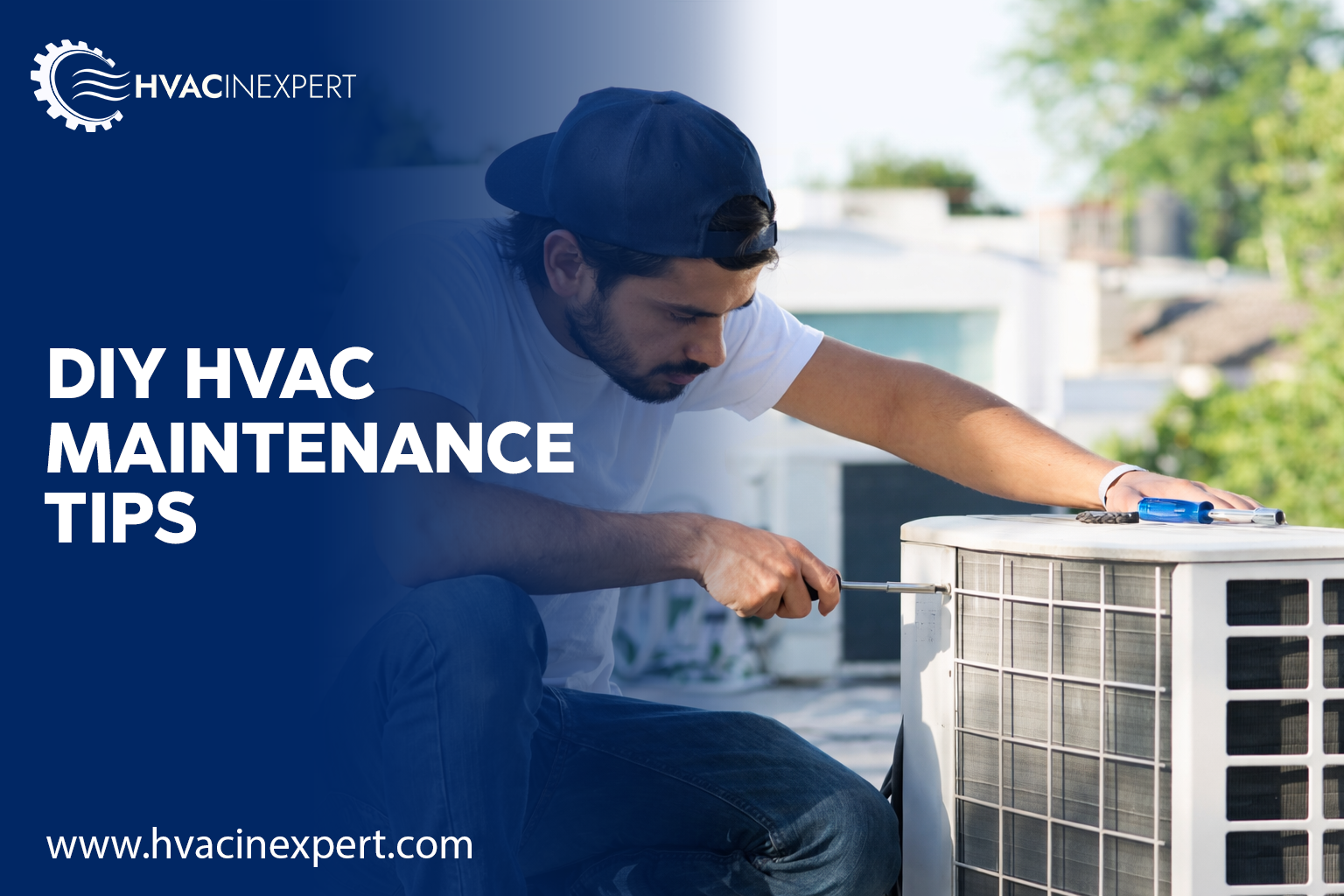
DIY HVAC Maintenance Tips: The Guide for Homeowners & HVAC Professionals
Keeping your HVAC system in top condition is not just about comfort—it’s about energy efficiency, cost savings, and system longevity. Whether you’re a homeowner or an HVAC dealer (like you), mastering DIY HVAC maintenance can dramatically reduce breakdowns, improve performance, and even increase customer trust if you offer maintenance guidance.
This comprehensive, guide covers everything from basic maintenance to advanced tips, seasonal checklists, tools, safety, and expert-level insights.
1. Introduction to HVAC Maintenance
HVAC (Heating, Ventilation, and Air Conditioning) systems are the backbone of indoor comfort. However, most systems fail prematurely due to poor maintenance—not manufacturing defects.
DIY HVAC maintenance is about performing routine inspections, cleaning, and minor fixes without needing a technician every time.
2. Why DIY HVAC Maintenance Matters
Key Benefits:
- Reduces energy bills by 10–30%
- Extends system lifespan (up to 5–10 years longer)
- Improves indoor air quality
- Prevents costly breakdowns
- Enhances cooling/heating performance
Neglecting maintenance leads to:
- High electricity consumption
- Compressor failure
- Refrigerant leaks
- Poor airflow
3. How HVAC Systems Work (Quick Overview)
An HVAC system consists of:
Cooling Components:
- Compressor
- Condenser coil
- Evaporator coil
- Expansion valve
Heating Components:
- Furnace or heat pump
- Heat exchanger
Air Distribution:
- Blower motor
- Duct system
- Air filters
Understanding these helps you maintain each part effectively.
4. Essential HVAC Maintenance Tools
You don’t need expensive tools. Here are the basics:
Must-Have Tools:
- Screwdriver set
- Coil cleaning brush
- Fin comb
- Vacuum cleaner
- Multimeter
- Garden hose
- Foaming coil cleaner
- Leak detector spray
Optional (Advanced DIY):
- Refrigerant gauges
- Infrared thermometer
- Clamp meter
5. Monthly HVAC Maintenance Checklist
Perform these tasks every month:
Replace or Clean Air Filters
- Dirty filters reduce airflow by up to 50%
- Replace every 15–30 days in dusty areas
Inspect Thermostat
- Ensure accurate temperature reading
- Replace batteries
Check Air Vents
- Keep vents unobstructed
- Clean dust buildup
Listen for Unusual Sounds
- Grinding → motor issue
- Hissing → refrigerant leak
6. Seasonal HVAC Maintenance Guide
Summer Maintenance (Cooling Mode)
- Clean condenser coil
- Check refrigerant levels
- Inspect outdoor unit
Winter Maintenance (Heating Mode)
- Inspect furnace burner
- Clean heat exchanger
- Check ignition system
Monsoon Maintenance
- Protect outdoor unit from waterlogging
- Check electrical insulation
7. Air Conditioner Maintenance Tips
7.1 Clean or Replace Air Filters
Dirty filters:
- Reduce cooling efficiency
- Increase electricity bills
Tip: Use washable filters for cost savings.
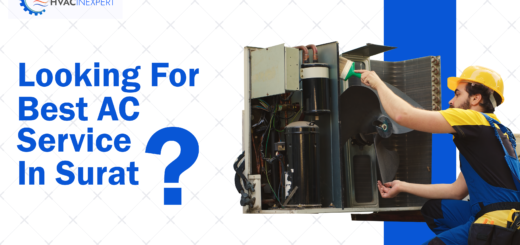
7.2 Clean Condenser Coil
Steps:
- Turn off power
- Remove debris
- Spray coil cleaner
- Rinse with water
Result:
- Improves heat transfer
- Reduces compressor load
7.3 Clean Evaporator Coil
Located inside indoor unit:
- Use foam cleaner
- Avoid water leakage
7.4 Check Refrigerant Levels
Low refrigerant causes:
- Poor cooling
- Ice formation
Only check visually; refilling requires a technician.
7.5 Straighten Coil Fins
Bent fins reduce airflow.
Use:
- Fin comb
7.6 Inspect Drain Line
Clogged drain leads to:
- Water leakage
- Mold growth
Flush with vinegar monthly.
8. Furnace Maintenance Tips
8.1 Inspect Burner
- Ensure clean flame
- Yellow flame = combustion issue
8.2 Clean Heat Exchanger
- Dust reduces heating efficiency
- Use a soft brush
8.3 Check Blower Motor
- Lubricate moving parts
- Remove dust
9. Heat Pump Maintenance Tips
Heat pumps work year-round, so maintenance is critical.
Key Tasks:
- Clean coils
- Inspect reversing valve
- Check defrost cycle
- Remove outdoor debris
10. Ductwork Maintenance & Cleaning
Dirty ducts can:
- Reduce airflow
- Spread allergens
DIY Cleaning:
- Vacuum duct openings
- Use duct brush
- Seal leaks with foil tape
Pro Tip:
Leaky ducts waste 20–30% energy.
11. Indoor Air Quality (IAQ) Optimization
Improve air quality by:
- Installing HEPA Filters
- Using UV lights
- Cleaning vents regularly
- Controlling humidity (40–60%)
12. Energy Efficiency Improvement Tips
Smart Tips:
- Use programmable thermostat
- Insulate ducts
- Seal air leaks
- Clean coils regularly
Result:
- Lower electricity bills
- Better cooling performance
13. Common HVAC Problems & DIY Fixes
Problem 1: AC Not Cooling
Causes:
- Dirty filter
- Low refrigerant
- Blocked condenser
Fix:
- Clean filter and coil
Problem 2: Water Leakage
Causes:
- Clogged drain line
Fix:
- Flush drain pipe
Problem 3: Strange Noise
Causes:
- Loose parts
Fix:
- Tighten screws
Problem 4: High Electricity Bills
Causes:
- Dirty coils
- Poor insulation
Fix:
- Clean system and seal leaks
14. Safety Precautions
Always follow safety rules:
- Turn off power before maintenance
- Use insulated tools
- Avoid refrigerant handling
- Wear gloves and goggles
15. When to Call a Professional
DIY is great, but not everything is safe:
Call a technician if:
- Compressor failure
- Refrigerant leak
- Electrical issues
- PCB problems
16. Cost Savings Analysis
| Maintenance Task | Cost Saved (₹/Year) |
|---|---|
| Filter cleaning | ₹2,000–₹5,000 |
| Coil cleaning | ₹3,000–₹7,000 |
| Energy efficiency | ₹5,000–₹15,000 |
Total savings: ₹10,000–₹25,000/year
17. Pro Tips for HVAC Dealers
Since you’re an HVAC dealer, here’s how to leverage this:
Offer DIY Guides to Customers
- Build trust
- Improve retention
Sell Maintenance Kits
- Filters
- Coil cleaners
- Tools
Create AMC Plans
- Annual maintenance contracts
- Upsell services
18. Conclusion
DIY HVAC maintenance is a powerful way to:
- Save money
- Improve efficiency
- Extend system life
By following the tips in this guide, you can ensure your HVAC system runs smoothly year-round.
For HVAC professionals, this knowledge also becomes a strong business advantage.
19. FAQs
1. How often should I service my HVAC system?
At least twice a year (summer & winter).
2. Can I clean AC coils myself?
Yes, using coil cleaner and water carefully.
3. How long do HVAC systems last?
Typically 10–15 years with proper maintenance.
4. What is the most important maintenance task?
Changing or cleaning air filters.
5. Why is my AC freezing?
Low refrigerant or airflow blockage.
6. Can dirty ducts affect health?
Yes, they can spread allergens and bacteria.
7. How can I reduce AC electricity bills?
Clean filters, use a thermostat, and seal leaks.
8. Is DIY HVAC maintenance safe?
Yes, if basic safety precautions are followed.
9. What tools are required for HVAC maintenance?
Basic tools like screwdrivers, brushes, and cleaners.
10. When should I call a professional?
For refrigerant, electrical, or compressor issues.