How to Become an HVAC Technician
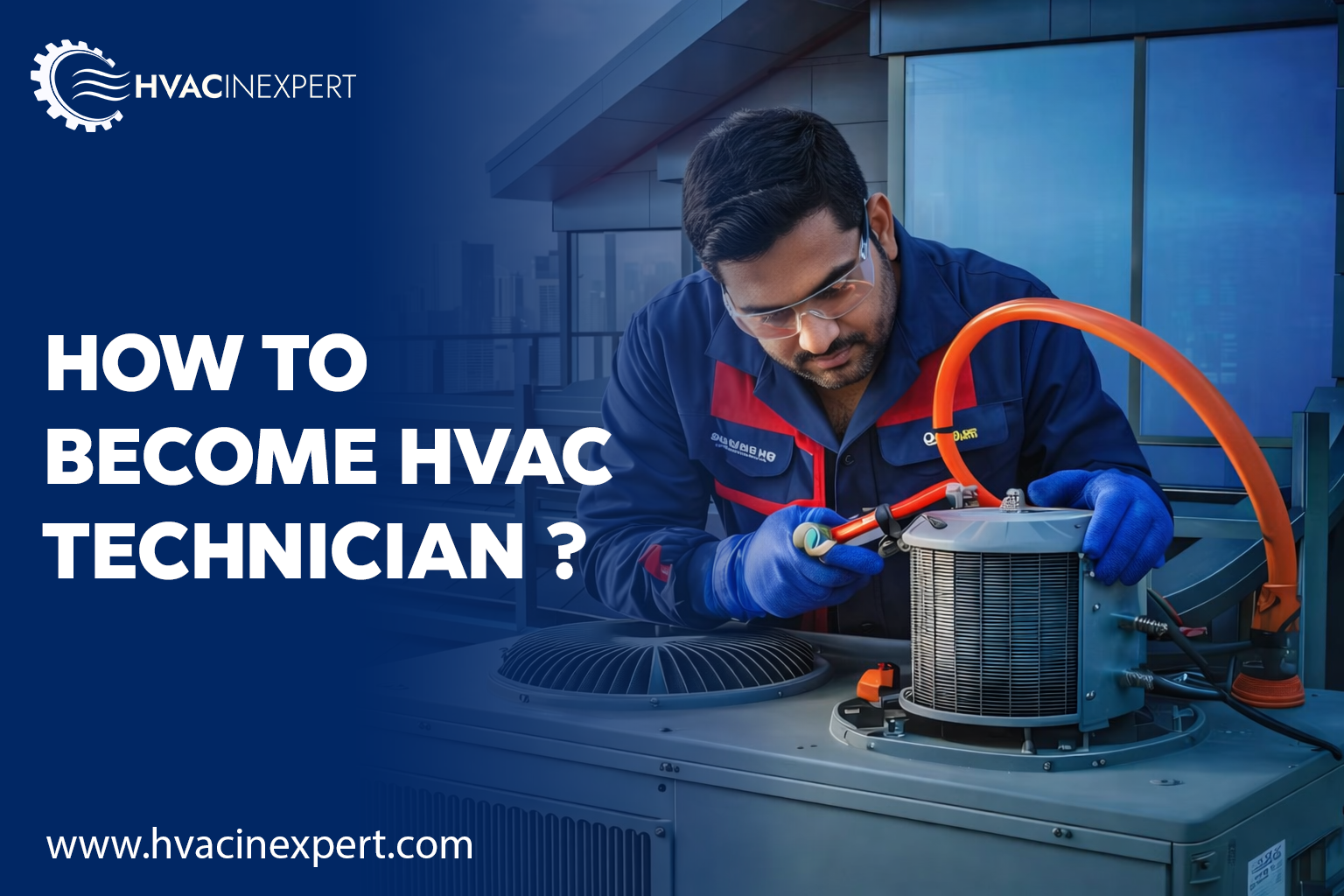
How to Become an HVAC Technician (Complete Career Guide)
Introduction
Heating, Ventilation, and Air Conditioning (HVAC) is one of the fastest-growing industries worldwide. With increasing demand for air conditioning systems, refrigeration units, and energy-efficient climate control solutions, the need for skilled HVAC technicians is rising rapidly.
Whether you are a student, job seeker, or someone looking to switch careers, becoming an HVAC technician offers high job stability, good salary, and global opportunities.
In this complete guide, you’ll learn:
- What HVAC technicians do
- Skills required
- Step-by-step career path
- Certification options (India + USA)
- Salary expectations
- Tools and practical knowledge
- Future scope in HVAC
What is an HVAC Technician?
An HVAC technician is a trained professional who installs, maintains, and repairs systems such as:
- Air conditioners (Split, Window, Cassette, VRF)
- Refrigeration systems
- Heating systems (furnaces, boilers)
- Ventilation systems (ducting, exhaust)
They ensure proper temperature control, air quality, and system efficiency.
Why Choose HVAC as a Career?
High Demand Industry
- Growing urbanization
- Increase in AC usage
- Commercial buildings & data centers
- Green energy & smart HVAC systems
Attractive Salary
- Entry-level: ₹12,000 – ₹25,000/month (India)
- Experienced: ₹40,000 – ₹1,00,000/month
- USA: $40,000 – $80,000/year
Global Opportunities
HVAC skills are in demand in:
- UAE
- Canada
- USA
- Australia
- Europe
Step-by-Step Guide to Become HVAC Technician
Step 1: Complete Basic Education
Minimum requirement:
- 10th or 12th pass
Preferred subjects:
- Physics
- Mathematics
If you want to go advanced:
- Diploma in Mechanical / HVAC Engineering
Step 2: Join HVAC Training Course
You can choose:
Types of Courses
- ITI Refrigeration & AC Technician
- Diploma in HVAC
- Short-term HVAC certification (3–6 months)
- Online HVAC courses
India Popular Options
- ITI (Government Institutes)
- Private HVAC academies
- Skill development centers
Step 3: Learn Practical Skills (Most Important)
HVAC is a hands-on field. You must learn:
Core Skills
- Gas charging (R-32, R-410A, R-22)
- Brazing & piping
- Leak detection
- Electrical troubleshooting
- Compressor diagnosis
Technical Skills
- Superheat & Subcooling
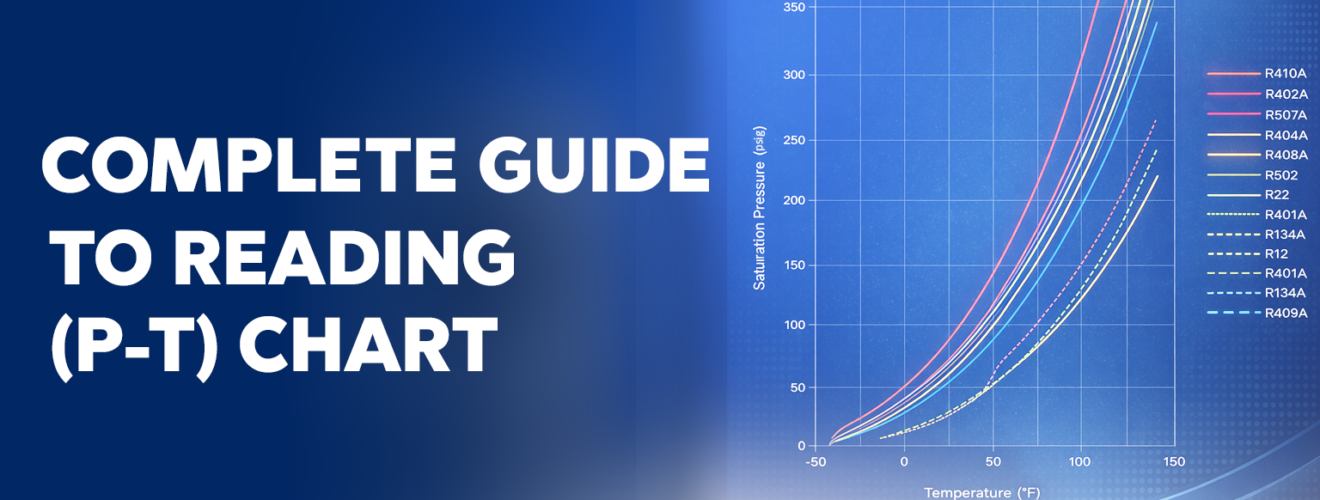
- Pressure-temperature charts
- Load calculation (BTU)
- Duct design basics
Pro Tip: Practice using tools like:
- Manifold gauge
- Vacuum pump
- Clamp meter
Step 4: Get On-the-Job Training (Apprenticeship)
Work under:
- AC service company
- HVAC contractor
- Facility management company
Duration:
- 3 months to 1 year
This is where you become a real technician.
Step 5: Get Certified (Important for Growth)
🇮🇳 India Certifications
- NSDC Skill Certification
- ITI Certificate
🇺🇸 USA Certifications
- EPA 608 Certification (Mandatory)
- NATE Certification
- HVAC Excellence
Certification = higher salary + better job opportunities
Step 6: Start Working or Freelancing
You can:
- Join a company
- Start your own AC service business
- Work as a freelance technician
Tools Every HVAC Technician Must Know
- Manifold Gauge Set
- Vacuum Pump
- Refrigerant Cylinder
- Digital Thermometer
- Multimeter
- Leak Detector
- Tube Cutter & Flaring Tool
HVAC Technician Salary (India vs USA)
| Experience | India Salary | USA Salary |
|---|---|---|
| Fresher | ₹12k–₹20k | $35k–$45k |
| Mid Level | ₹25k–₹50k | $50k–$65k |
| Expert | ₹60k–₹1L+ | $70k–$90k |
HVAC Career Opportunities
- Residential AC Technician
- Commercial HVAC Technician
- Industrial Refrigeration Expert
- VRF System Specialist
- HVAC Design Engineer
- Maintenance Supervisor
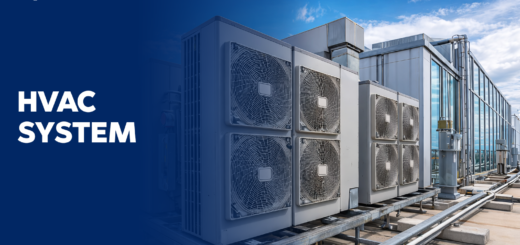
Types of HVAC Systems You Will Work On
Split & Window AC
VRF / Central AC
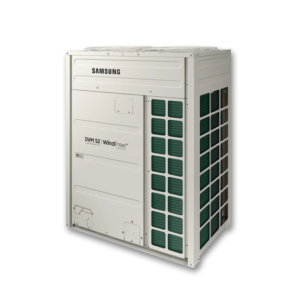
Important HVAC Concepts You Must Learn
Superheat & Subcooling
- Used to check system performance
- Important for gas charging
Pressure-Temperature Relationship
- Helps diagnose faults
Refrigeration Cycle
- Compressor → Condenser → Expansion → Evaporator
Future Scope of HVAC Industry
The HVAC industry is evolving with:
- Smart thermostats
- IoT-based systems
- Energy-efficient inverter AC
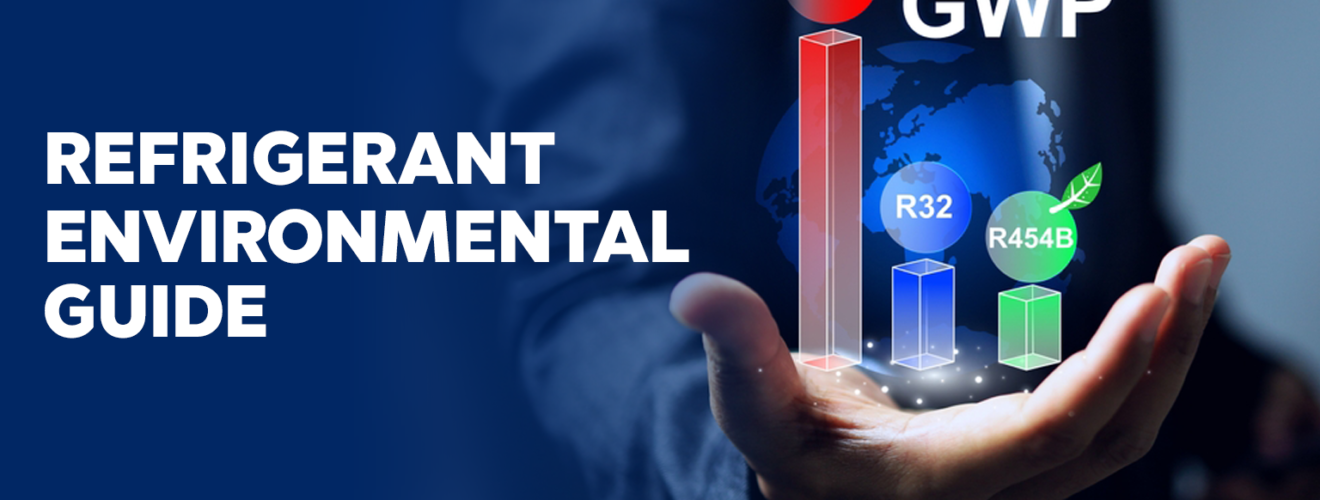
- Green refrigerants (R-32, R-290)
- Building automation systems
Demand will increase by 30%+ in coming years
How to Work Abroad as HVAC Technician
Steps:
- Gain 2–3 years experience
- Get certification
- Apply for Gulf / Canada jobs
- Prepare documents
High demand in UAE, Saudi Arabia, Canada
Tips to Become Successful HVAC Technician
- Focus on practical learning
- Understand electrical + mechanical both
- Stay updated with new refrigerants
- Learn customer handling
- Use digital tools & calculators
Bonus: Use HVAC Calculators for Fast Learning
If you run a website (like yours), add:
- Superheat calculator
- Subcooling calculator
- Load calculation tool
This gives you:
- Better understanding
- More website traffic
Common Mistakes to Avoid
- Ignoring safety
- Overcharging refrigerant
- Not vacuuming system
- Wrong diagnosis
- Skipping training
FAQs
How long does it take to become HVAC technician?
Usually 3 months to 2 years depending on course and training.
Is HVAC a good career in India?
Yes, due to high demand and increasing AC usage.
What qualification is required?
Minimum 10th pass + training course.
Can I learn HVAC online?
Yes, but practical training is essential.
What is starting salary?
₹12,000 to ₹20,000 per month (India).
Conclusion
Becoming an HVAC technician is one of the best career choices in today’s world. With the right training, practical skills, and certifications, you can build a stable and high-paying career both in India and abroad.
If you are serious about entering the HVAC field, start today with basic training and gradually move toward advanced systems like VRF and automation.