
Types of HVAC Dampers
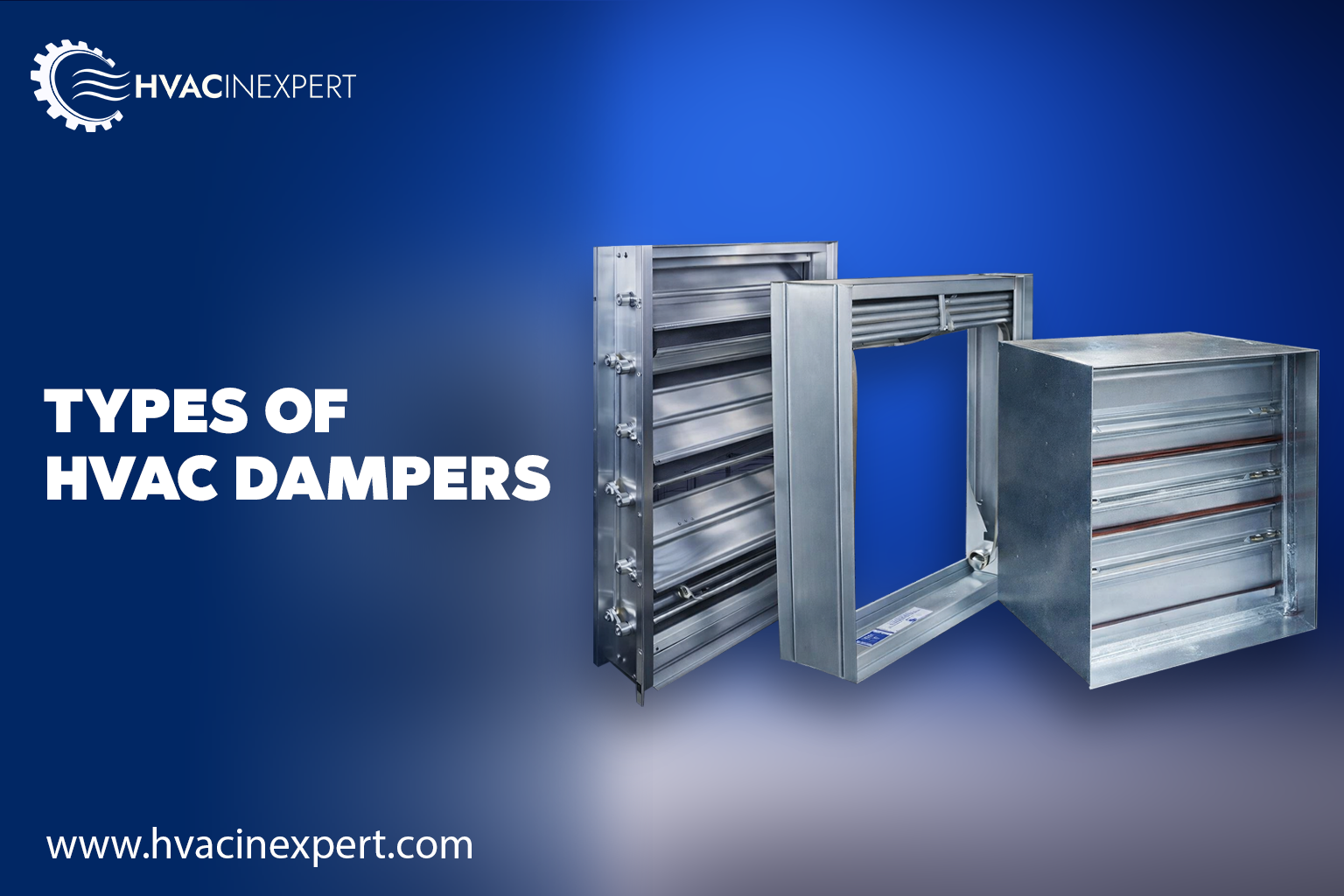
Types of HVAC Dampers: The Ultimate Guide for Engineers, Contractors & Building Owners
Introduction to HVAC Dampers
HVAC dampers are critical components inside air distribution systems that regulate, direct, and balance airflow. Whether you are designing a commercial building, installing a VRF system, or optimizing duct performance, understanding damper types is essential.
In simple terms, a damper is like a valve for air. It can:
- Control airflow volume
- Redirect air to specific zones
- Prevent backflow
- Act as a safety device (fire/smoke control)
For HVAC professionals, dampers are not optional—they are fundamental for efficiency, safety, and comfort.
What is an HVAC Damper?
A damper is a mechanical device installed in ductwork that controls airflow by opening, closing, or modulating blades.
Key Functions:
- Air balancing
- Pressure control
- Energy efficiency improvement
- Fire & smoke protection
Classification of HVAC Dampers
Dampers are broadly categorized into:
- Volume Control Dampers (VCD)
- Fire Dampers
- Smoke Dampers
- Fire & Smoke Dampers
- Backdraft Dampers
- Zone Dampers
- Control Dampers (Motorized)
- Relief Dampers
Let’s explore each in detail
1. Volume Control Dampers (VCD)
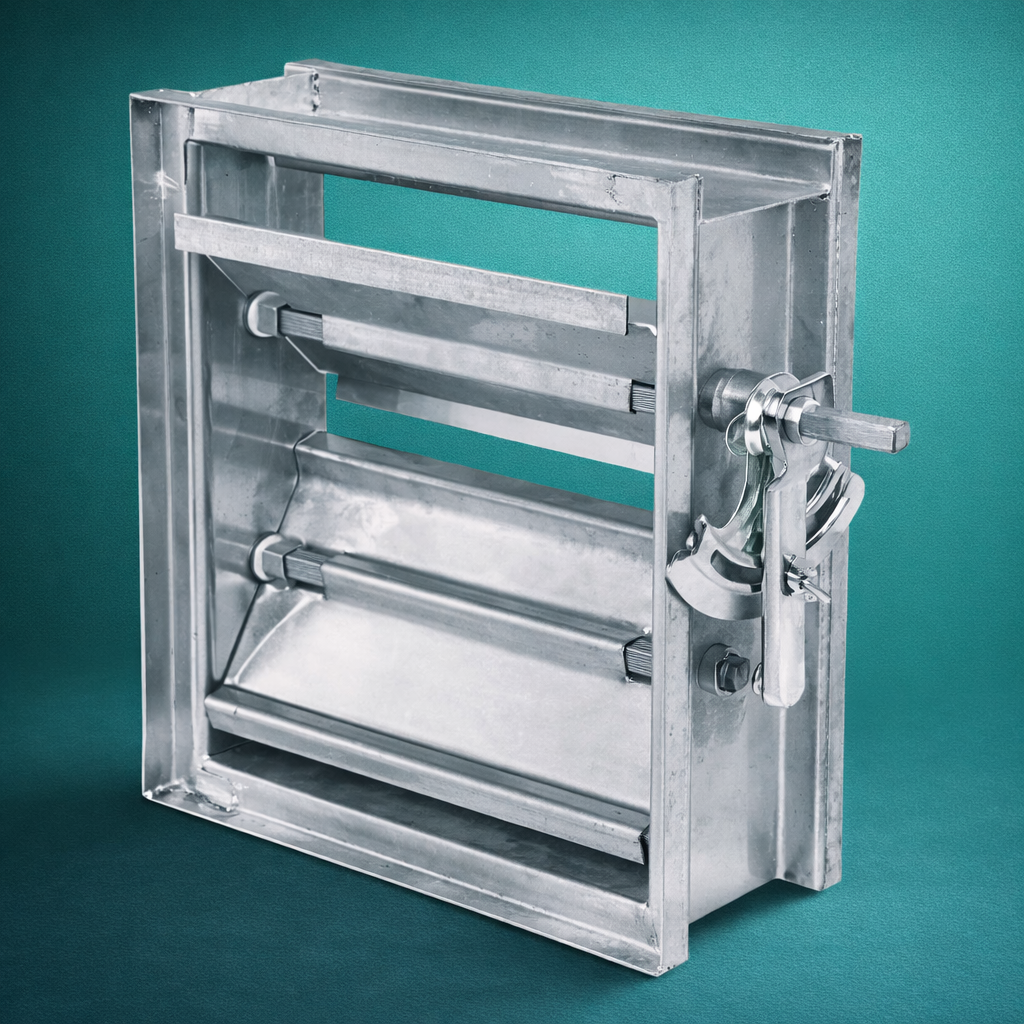
Overview
Volume Control Dampers are used to adjust airflow manually or automatically within ducts.
Types of VCD:
- Opposed Blade Damper (OBD) – Better airflow control
- Parallel Blade Damper (PBD) – Faster response
Applications:
- Air balancing in commercial buildings
- HVAC commissioning
- Duct airflow tuning
Advantages:
- Simple and cost-effective
- Easy installation
- Improves system efficiency
2. Fire Dampers
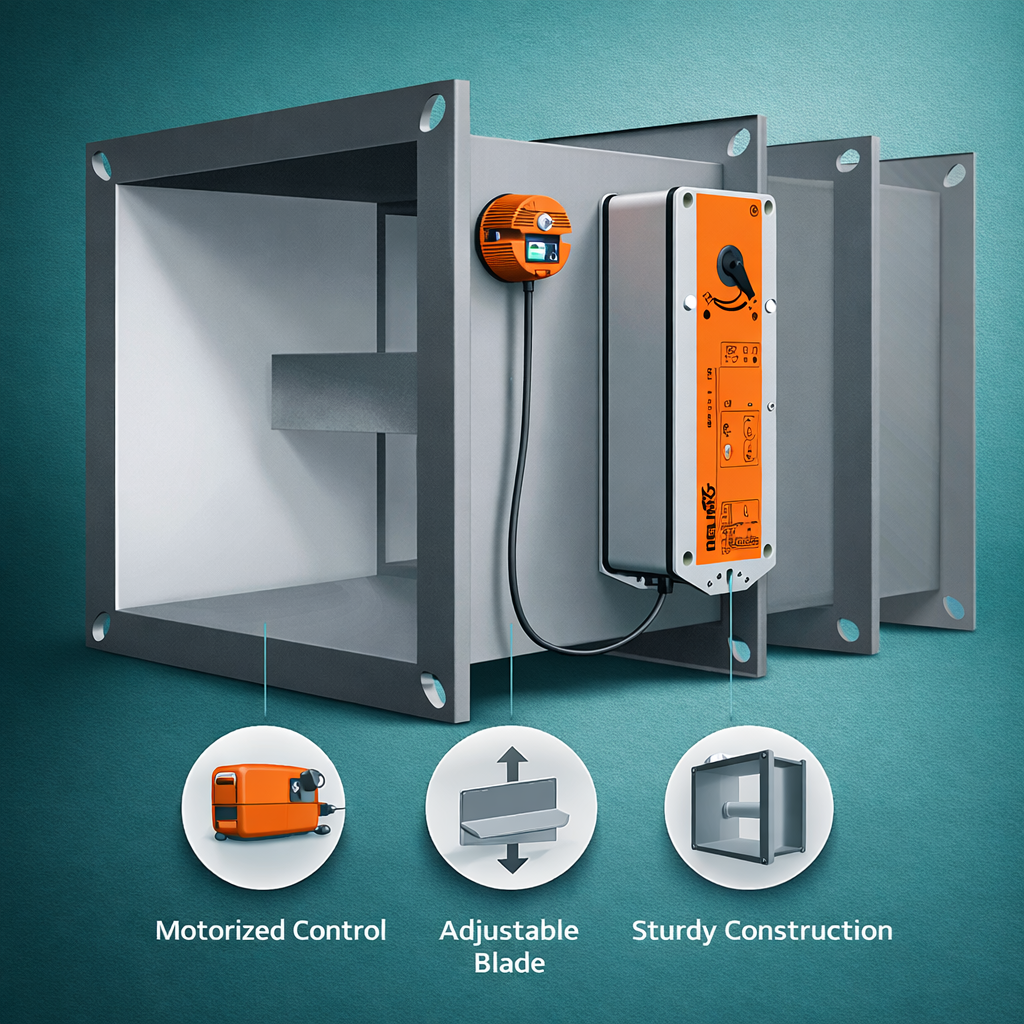
Overview
Fire dampers are life safety devices that automatically close when high temperatures are detected.
Working Principle:
- Uses a fusible link (melts at ~72°C or 165°F)
- When melted → damper closes → stops fire spread
Installed At:
- Wall penetrations
- Fire-rated partitions
Importance:
- Mandatory as per fire safety codes
- Prevents fire from spreading through ducts
3. Smoke Dampers
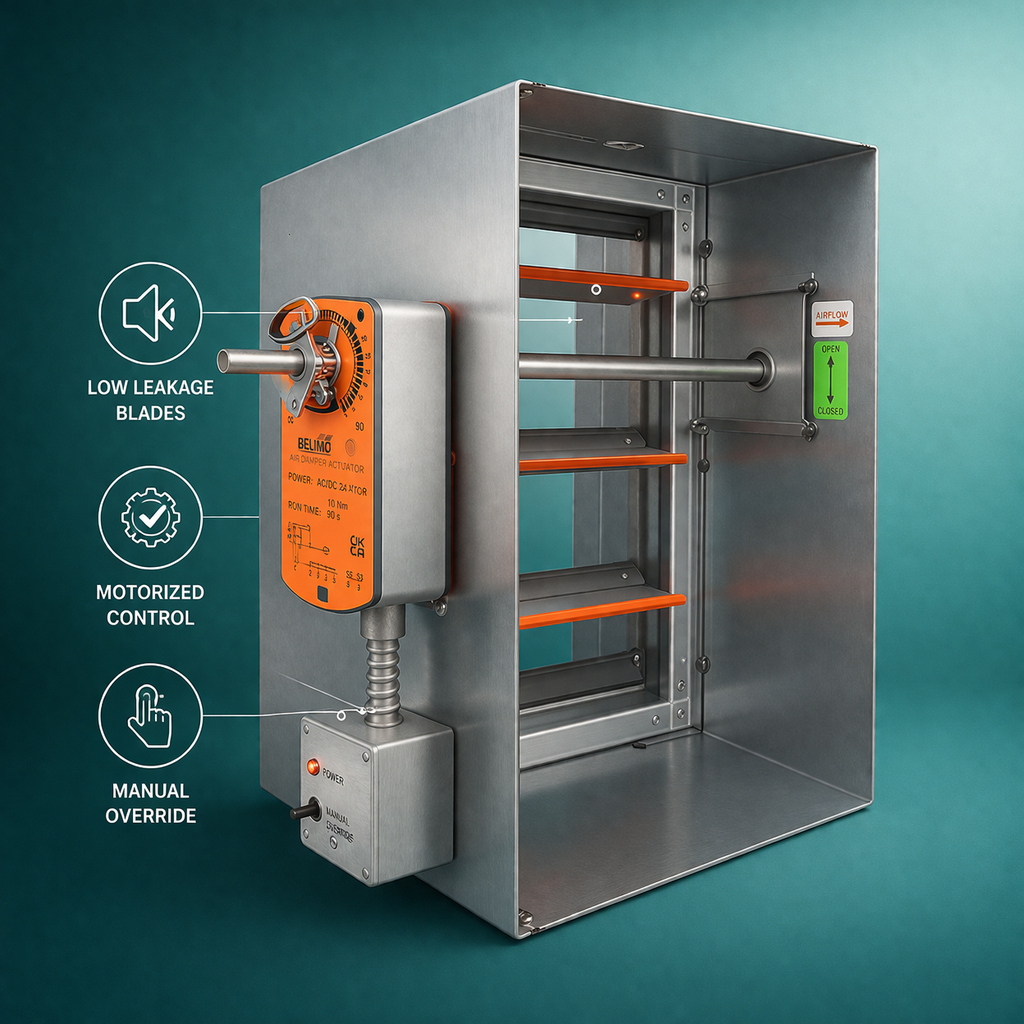
Overview
Smoke dampers prevent smoke movement through HVAC systems.
Features:
- Motorized actuator
- Controlled via fire alarm system
Applications:
- Hospitals
- Shopping malls
- High-rise buildings
Why Important?
Smoke causes more fatalities than fire—these dampers save lives.
4. Fire & Smoke Dampers
Overview
Combination dampers provide both fire and smoke protection.
Features:
- Fusible link + actuator
- Dual safety system
Used In:
- Airports
- Commercial complexes
- Industrial plants
Benefit:
- One device = dual protection
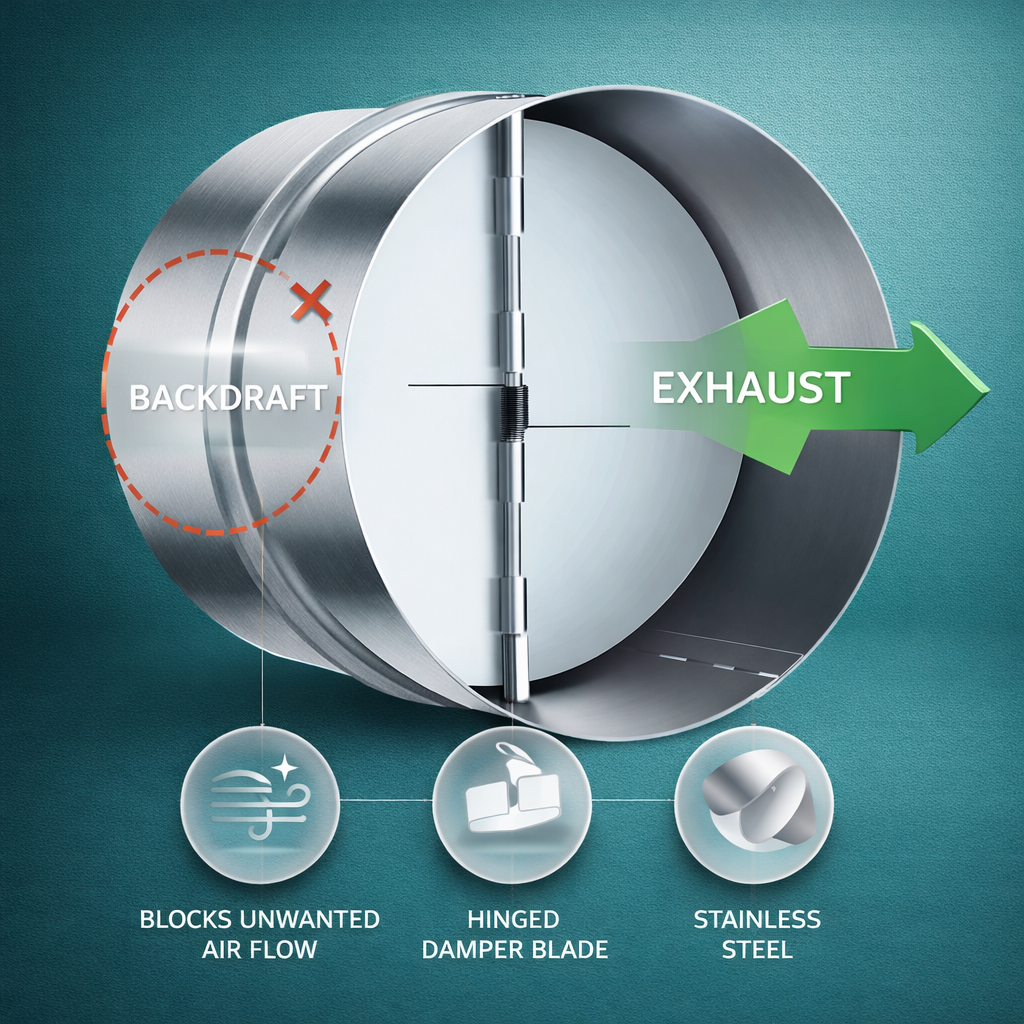
5. Backdraft Dampers
Overview
Prevents reverse airflow in ducts.
Types:
- Gravity dampers
- Spring-loaded dampers
Applications:
- Exhaust systems
- Kitchen ventilation
- AHU outlets
Advantages:
- No power required
- Low maintenance
6. Zone Dampers
Overview
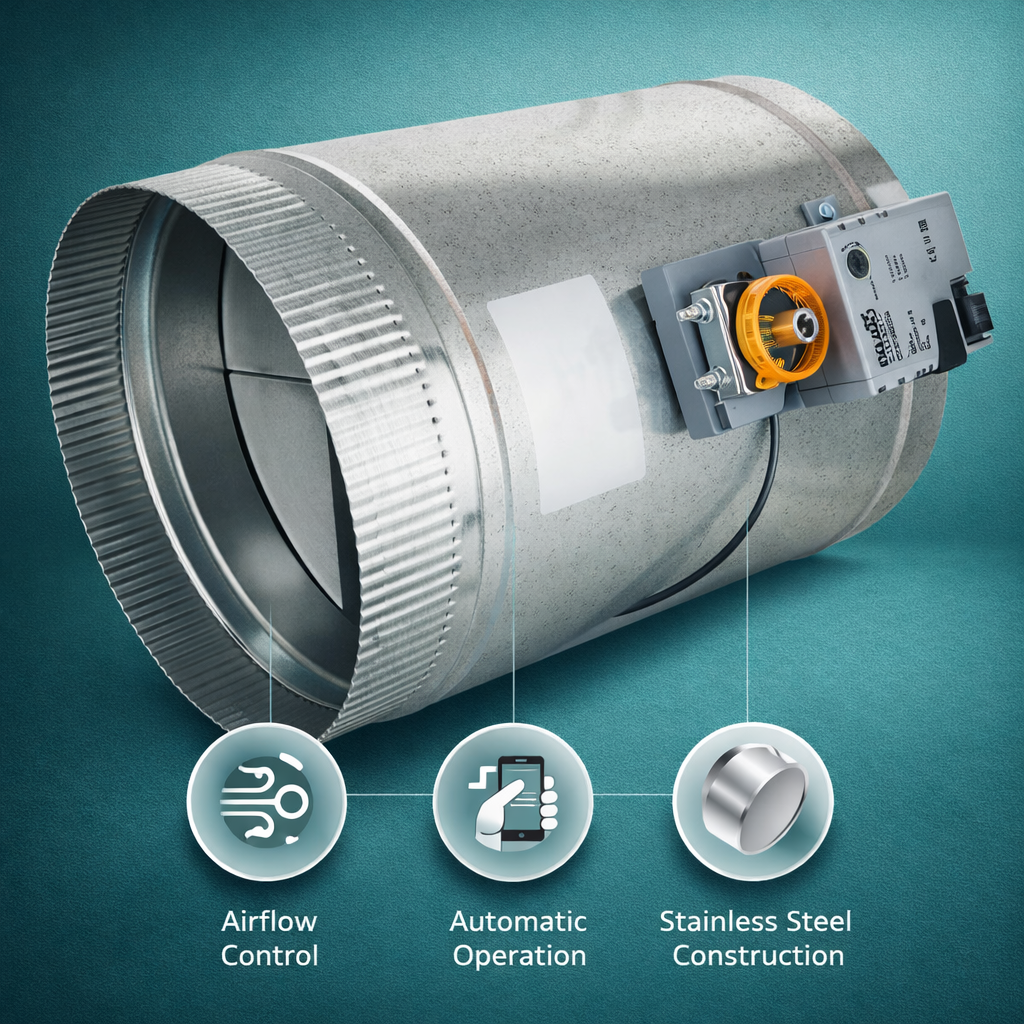
Zone dampers control airflow to different zones/rooms.
Working:
- Connected to thermostat
- Opens/closes based on temperature
Applications:
- Smart homes
- Offices
- Multi-zone HVAC systems
Benefit:
- Energy saving up to 30%
7. Motorized Control Dampers
Overview
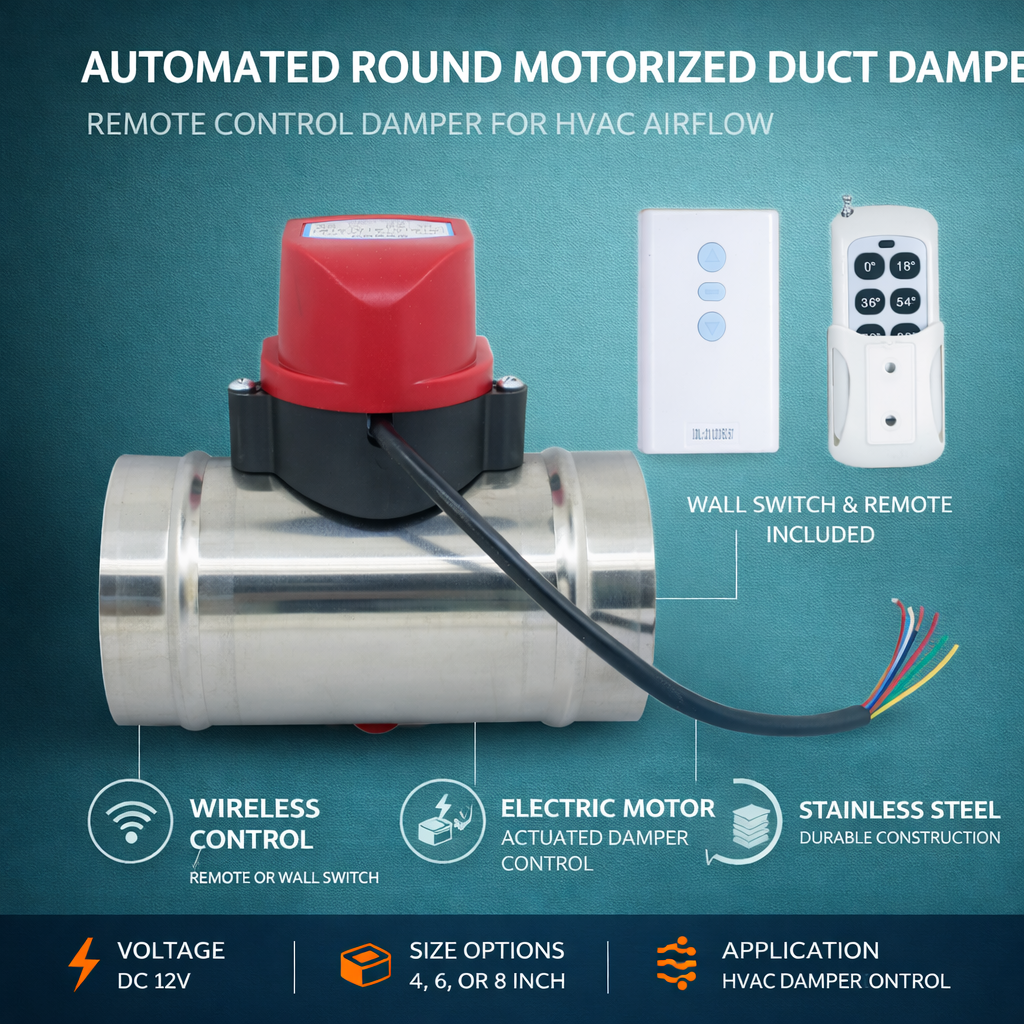
Used for automatic airflow control.
Features:
- Electric or pneumatic actuators
- Integrated with BMS
Used In:
- Smart buildings
- Industrial HVAC systems
Advantages:
- Precise control
- Remote operation
8. Relief Dampers
Overview
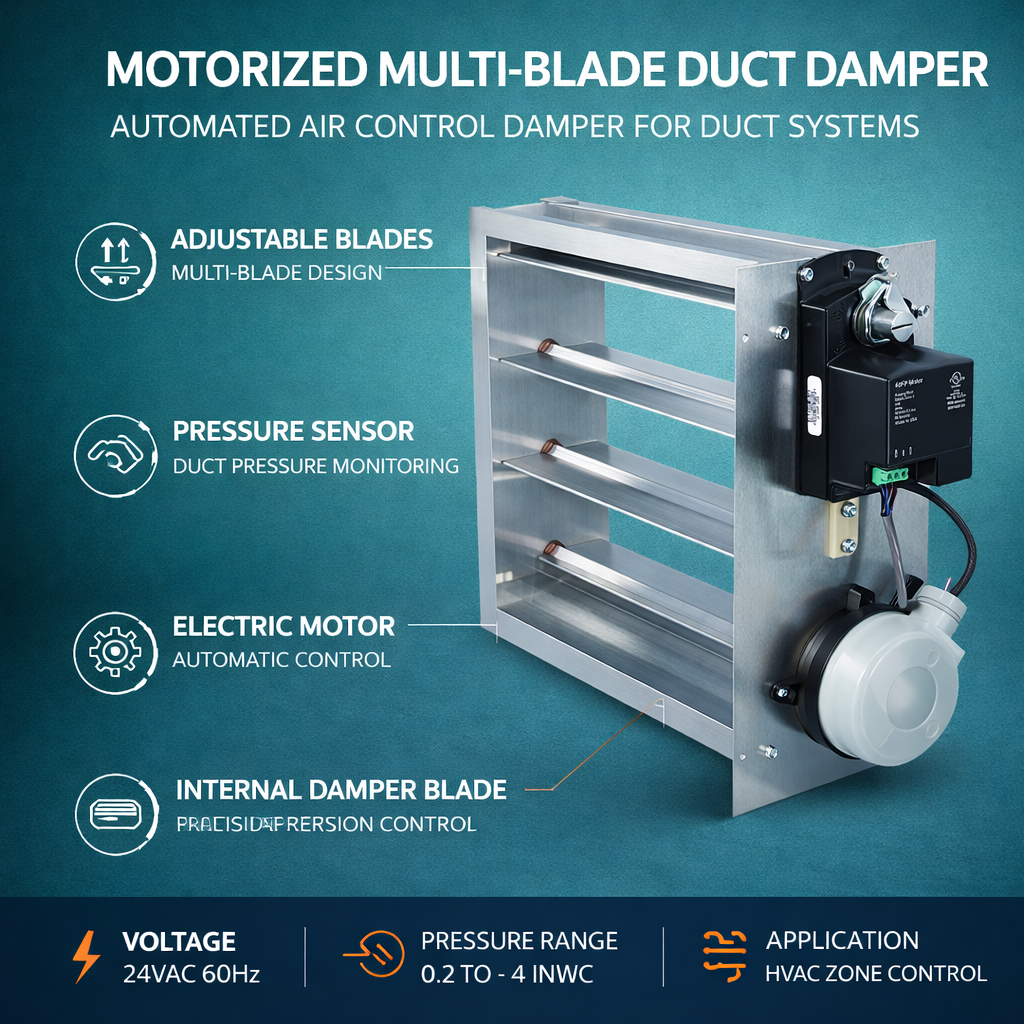
Maintains pressure balance by releasing excess air.
Applications:
- Clean rooms
- Laboratories
- High-pressure zones
Benefit:
- Prevents duct damage
- Maintains air quality
Damper Blade Types Explained
Parallel Blade
- Moves in same direction
- Quick airflow change
Opposed Blade
- Moves in opposite direction
- Better airflow mixing
Damper Materials
- Galvanized Steel (GI)
- Aluminum
- Stainless Steel
- Fire-rated materials
Damper Selection Criteria
Choosing the right damper depends on:
- Airflow (CFM)
- Duct size
- Pressure rating
- Fire rating
- Application type
Comparison Table
| Damper Type | Function | Power Required | Application |
|---|---|---|---|
| VCD | Airflow control | No/Yes | General HVAC |
| Fire Damper | Fire safety | No | Fire zones |
| Smoke Damper | Smoke control | Yes | Buildings |
| Fire & Smoke | Dual safety | Yes | Commercial |
| Backdraft | Prevent reverse flow | No | Exhaust |
| Zone Damper | Room control | Yes | Homes |
| Control Damper | Automation | Yes | BMS |
| Relief Damper | Pressure control | No | Labs |
Benefits of Using HVAC Dampers
- Energy efficiency
- Improved indoor comfort
- Fire safety compliance
- Better airflow control
- Reduced operating cost
Common Mistakes to Avoid
- Incorrect damper sizing
- Ignoring pressure drop
- Poor installation
- Not following fire codes
- Lack of maintenance
Maintenance Tips
- Regular inspection
- Clean dust buildup
- Check actuator function
- Test fire dampers annually
Future Trends in HVAC Dampers
- Smart dampers (IoT enabled)
- AI-based airflow control
- Integration with green buildings
- Advanced fire safety systems
Conclusion
HVAC dampers are the hidden backbone of any air distribution system. From balancing airflow to saving lives during a fire, their role is massive.
If you’re an HVAC contractor, engineer, or building owner, mastering damper types will:
- Improve system performance
- Reduce energy costs
- Ensure safety compliance
Looking to install a commercial HVAC System or Duct work in your Business Area?
Contact Vipul Ac to learn about our HVAC Service
Call +91 9825636606 Today.
Frequently Asked Questions (FAQs) – Types of HVAC Dampers
What is an HVAC damper?
An HVAC damper is a mechanical device installed inside ductwork to control, regulate, or stop airflow. It works like a valve for air and is essential for balancing, zoning, and safety in HVAC systems.
What are the main types of HVAC dampers?
The main types of HVAC dampers include:
- Volume Control Dampers (VCD)
- Fire Dampers
- Smoke Dampers
- Fire & Smoke Dampers
- Backdraft Dampers
- Zone Dampers
- Motorized Control Dampers
- Relief Dampers
What is the function of a fire damper?
A fire damper prevents the spread of fire through HVAC ducts. It automatically closes when high temperatures are detected, typically using a fusible link mechanism.
What is the difference between fire damper and smoke damper?
A fire damper closes in response to heat (fire), while a smoke damper is motorized and controls smoke movement using signals from a fire alarm system.
What is a volume control damper (VCD)?
A volume control damper (VCD) is used to regulate airflow within ducts. It can be manual or motorized and helps balance air distribution in HVAC systems.
What is a backdraft damper?
A backdraft damper prevents reverse airflow in duct systems. It allows air to flow in only one direction and is commonly used in exhaust or ventilation systems.
What are zone dampers in HVAC?
Zone dampers are used in zoning systems to control airflow to different rooms or areas. They are typically motorized and connected to thermostats for automatic operation.
Are HVAC dampers necessary?
Yes, HVAC dampers are essential for controlling airflow, improving energy efficiency, maintaining indoor comfort, and ensuring fire and smoke safety.
How often should HVAC dampers be inspected?
HVAC dampers should be inspected at least once a year. Fire and smoke dampers may require more frequent testing depending on safety regulations.
What materials are used to make HVAC dampers?
HVAC dampers are usually made from:
- Galvanized steel
- Aluminum
- Stainless steel
Fire-rated dampers use special materials designed to withstand high temperatures.


1 Response
[…] Types of fire dampers […]