USA Heat Pump Grant Explained

USA Heat Pump Grant Explained – Rebates, Tax Credits & Savings
If you’re planning to install a heat pump in the United States, you’re in one of the best positions ever. Thanks to federal and state incentives, homeowners can save thousands of dollars on installation.
This ultimate guide explains everything about U.S. heat pump grants, including rebates, tax credits, eligibility, and how to maximize your savings in 2026.
What Is a USA Heat Pump Grant?
In the U.S., “heat pump grants” are actually a mix of:
- Federal tax credits
- State-level rebates
- Utility company incentives
The most important program is:
Inflation Reduction Act
This law introduced major financial support for energy-efficient upgrades, including heat pumps.
Key Federal Incentives
1. Energy Efficient Home Improvement Credit (25C)
Energy Efficient Home Improvement Credit
Benefit:
- Up to 30% tax credit
- Maximum $2,000 per year for heat pumps
Example:
If your heat pump costs $8,000 → You get $2,000 back in tax credits
2. High-Efficiency Electric Home Rebate (HEEHRA)
High-Efficiency Electric Home Rebate Act
Benefit:
- Up to $8,000 rebate
- Income-based eligibility
Income Criteria:
| Income Level | Rebate Coverage |
|---|---|
| Low Income | 100% cost covered |
| Moderate Income | 50% cost covered |
Total Savings Potential
| Incentive | Amount |
|---|---|
| Federal Tax Credit | Up to $2,000 |
| HEEHRA Rebate | Up to $8,000 |
| State Incentives | $500 – $5,000 |
Total Possible Savings: $10,000+
Types of Heat Pumps Eligible
1. Air Source Heat Pump (ASHP)
- Most common in U.S.
- Works in moderate climates
2. Ground Source Heat Pump (Geothermal)
Geothermal Heat Pump
- Higher efficiency
- Eligible for 30% tax credit (no cap)
How to Claim Heat Pump Incentives
Step 1: Choose ENERGY STAR Certified System
ENERGY STAR
- Mandatory for federal tax credits
Step 2: Hire Licensed Contractor
- Required for rebates
- Ensures compliance
Step 3: Apply for Rebates
- Through state or utility program
Step 4: Claim Tax Credit
- File IRS Form 5695
State-Wise Heat Pump Rebates (Examples)
California
California Energy Commission
- Rebates up to $4,000+
New York
NY State Energy Research and Development Authority
- Strong incentives for cold climates
Massachusetts
Mass Save
- Rebates up to $10,000
Cost After Incentives (USA)
| System | Typical Cost | After Incentives |
|---|---|---|
| ASHP | $6,000 – $12,000 | $2,000 – $6,000 |
| GSHP | $20,000 – $40,000 | $10,000 – $25,000 |
Running Cost Comparison
| System | Efficiency |
|---|---|
| Gas Furnace | 80–95% |
| Heat Pump | 250–400% |
Why the U.S. Government Supports Heat Pumps
- Reduce carbon emissions
- Lower energy bills
- Promote electrification
- Reduce fossil fuel dependence
Eligibility Requirements
Basic Requirements:
- Must own or rent property
- Install qualifying system
- Meet income limits (for rebates)
Not Eligible:
- Non-certified systems
- DIY installation
- Commercial-only projects
Installation Requirements
- Proper insulation
- Ductwork (or ductless system)
- Electrical capacity upgrade (if needed)
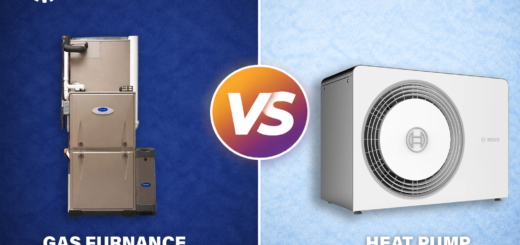
Heat Pump vs Traditional HVAC
| Feature | Heat Pump | Furnace |
|---|---|---|
| Energy Source | Electricity | Gas |
| Cooling | Yes | No |
| Efficiency | High | Moderate |
| Emissions | Low | High |
How Heat Pumps Work
Heat pumps transfer heat rather than generate it:
- Absorb heat from outside air
- Compress refrigerant
- Increase temperature
- Transfer heat indoors
ROI (Return on Investment)
- 3–7 years with incentives
- Faster in high electricity/gas price areas
Environmental Benefits
- Reduce emissions by 40–70%
- Supports renewable energy
Common Mistakes to Avoid
- Missing Rebate Deadlines
- Buying Non-ENERGY STAR Systems
- Ignoring Local Incentives
- Poor Installation
Expert Tips to Maximize Savings
- Combine Federal + State Incentives
- Install Smart Thermostat
- Upgrade Insulation First
- Consider Solar Panels
Future of Heat Pump Incentives in USA
- Incentives expected to expand
- More states launching programs
- Push toward full electrification
USA Heat Pump Grant – Frequently Asked Questions
What is the USA heat pump grant?
The USA heat pump grant refers to federal tax credits and rebates available under programs like the Inflation Reduction Act, offering homeowners up to $10,000 or more in total savings when upgrading to energy-efficient heat pumps.
How much tax credit can I get for a heat pump in the USA?
You can receive up to 30% tax credit, capped at $2,000 per year, under the Energy Efficient Home Improvement Credit for qualifying heat pump installations.
What is the HEEHRA rebate for heat pumps?
The High-Efficiency Electric Home Rebate Act provides income-based rebates up to $8,000 for installing high-efficiency electric heat pumps in residential homes.
Can I combine federal tax credits and rebates?
Yes, homeowners can combine federal tax credits, state rebates, and utility incentives to maximize total savings, often exceeding $10,000.
Do heat pumps qualify for ENERGY STAR requirements?
Yes, to qualify for federal tax credits, the heat pump must meet ENERGY STAR certification standards.
Are renters eligible for heat pump rebates?
Some programs allow renters to qualify, but installation typically requires approval from the landlord or property owner.
Do heat pumps work in cold climates?
Yes, modern cold-climate heat pumps are designed to operate efficiently even in freezing temperatures, making them suitable for northern regions.
How long does a heat pump last?
A typical heat pump lasts between 15 to 20 years with proper maintenance and regular servicing.
What is the total savings possible with USA heat pump incentives?
Homeowners can save $10,000 or more by combining federal tax credits, rebates, and local incentives.
Is installing a heat pump worth it in the USA?
Yes, heat pumps provide lower energy bills, reduced carbon emissions, and long-term savings, making them a smart investment—especially with available incentives.
Final Verdict
The USA heat pump incentives under the Inflation Reduction Act offer one of the best opportunities ever for homeowners.
👉 With $10,000+ potential savings, upgrading to a heat pump is both financially and environmentally smart.
Conclusion
Heat pumps are becoming the future of home heating and cooling in the U.S. With strong government support, reduced costs, and long-term savings, there has never been a better time to switch.